Yellowstone Backpacking: Permits, Bears, and the Trails Worth It
Most people who attempt Yellowstone’s backcountry for the first time make the same sequence of mistakes: they underestimate the permit system, overestimate how far they can move in a day at elevation, and underestimate what genuine grizzly country demands. This guide works through each of those in the order they’ll actually affect your trip.
How the Backcountry Permit System Actually Works
Yellowstone requires a permit for every overnight backcountry trip. This is not a self-issue wilderness permit at the trailhead — it’s a site-specific document that assigns you to designated campsites for each night. You cannot camp at a different site once you’re out there. Each night has a number, and rangers do check.
Two ways to get a permit
Walk-up permits become available 48 hours before your trip start date at any of Yellowstone’s major visitor centers: Canyon, Mammoth, Bridge Bay, Grant Village, or the South Entrance station. Cost is $3 per person per night. You show up, state your itinerary, they check availability, and if sites are open, you leave with stamped paperwork.
Advance permits open on April 1 each year through recreation.gov. The fee is the same $3 per person per night, plus a $5 reservation fee per campsite per night. For the popular routes — Shoshone Lake, the Bechler corridor, Heart Lake — the good sites in July and August fill within hours of the April 1 opening. Set a calendar reminder, log into recreation.gov before midnight on March 31, and have your full itinerary built and ready to submit the moment the window opens. Waiting until mid-morning April 1 means competing for whatever’s left.
Reading your permit before you go
Every campsite in Yellowstone’s backcountry carries a designation code. “WW” sites may allow wood fires under specific restrictions. “FT” designates foot-traffic-only — no stock animals. “ST” means stock-only. Book the wrong type and rangers will turn you back at the trailhead with no refund.
The park publishes a Backcountry Trip Planner PDF on the Yellowstone NPS website. Download it. Open it before you finalize any reservation and cross-reference every campsite code against your planned itinerary. The park has roughly 300 designated backcountry campsites. Some have bear boxes on-site; most don’t — which is exactly why the hard-sided canister requirement exists.
The Routes That Actually Reward Overnight Access
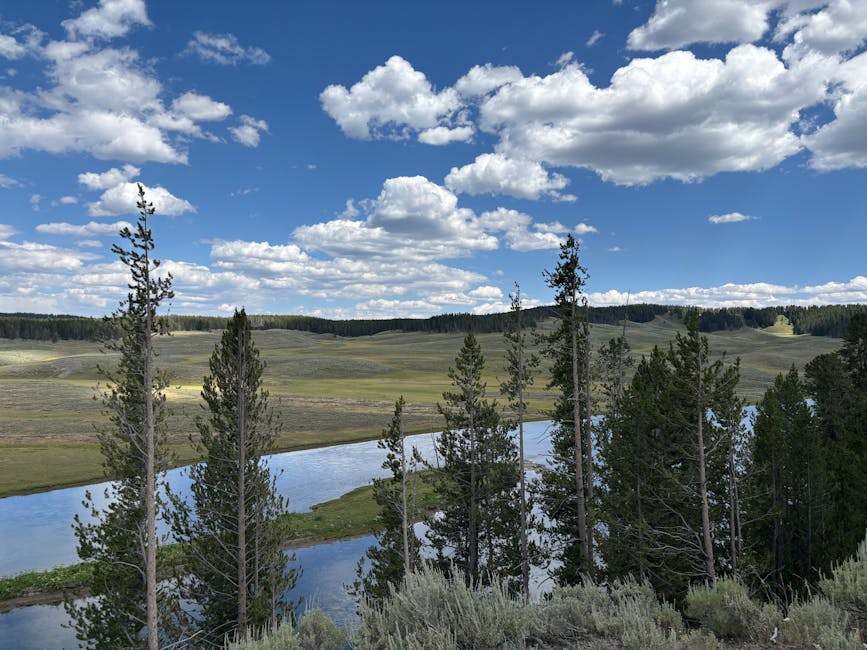
Yellowstone has over 900 miles of trail. A lot of it works well as a day hike but doesn’t justify the permit process. The five routes below are where sleeping out changes what you experience compared to arriving and leaving the same day.
| Route | Distance | Difficulty | Best Season | What Makes It Worth Overnight Access |
|---|---|---|---|---|
| Heart Lake Loop | 16 miles RT | Moderate | July–September | Active geyser basin directly on the lakeshore |
| Shoshone Lake | 18–22 miles RT | Moderate | July–August | Largest backcountry lake in lower 48 outside Alaska |
| Bechler River Corridor | 30–35 miles PT | Moderate–Hard | August–September | Waterfalls, thermal pools, remote meadows |
| Thorofare Trail | 60+ miles RT | Hard | August | Most remote point in the contiguous United States |
| Black Canyon of the Yellowstone | 18.5 miles PT | Moderate | June–October | Wildlife-dense river canyon, accessible earlier in season |
For a first Yellowstone backcountry trip
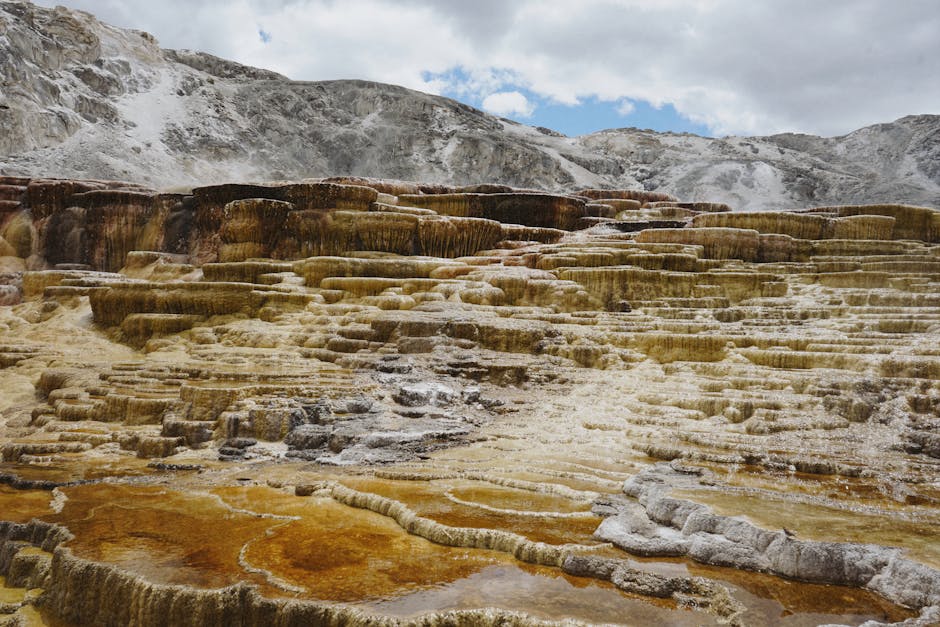
Heart Lake is the answer. The trailhead sits off South Entrance Road, the route is 8 miles in on clear trail, and the Heart Lake Geyser Basin sits right at the north shore. You camp within sight of active geothermal features. Moose habitat in the meadows along the approach gives you a real chance at wildlife sightings without committing to 30-plus miles. It’s the route that justifies the permit process without demanding six days of food in your canister.
For experienced backpackers wanting serious commitment
The Thorofare defines the far end of what Yellowstone’s backcountry offers. The Thorofare Ranger Station sits roughly 32 miles from the nearest paved road — the most remote location in the contiguous United States by that measure. Plan for 6–8 days minimum. Early-season river fords through the upper Yellowstone River drainage can run waist-deep with strong current in June and early July. Do not attempt this route before you’ve managed technical river crossings elsewhere. August is the reliable window.
Bear Safety in Yellowstone Is Not Like Other Parks
The Greater Yellowstone Ecosystem supports an estimated 700-plus grizzly bears. Roughly 150–200 live within the park boundary at any given time. That population density shapes every decision you make out there — where you camp, how you store food, how you walk through meadows at dawn. This is not a region where bear awareness is precautionary. It’s operational.
What you are required to carry
Two items are mandatory: a hard-sided bear canister and bear spray. Not one or the other. Both.
For bear spray, Counter Assault Bear Deterrent ($50, 7.9 oz, 32-foot range, 9.2-second spray duration) and UDAP Bear Spray ($45, 7.9 oz, 30-foot range) are the two most field-proven options. Both are EPA-registered. Carry it holstered on your hip belt, accessible while walking. The safety clip is a thumb movement you should be able to do without looking down. Practice it before you leave the trailhead — not as a formality, but because a grizzly charge covers 30 feet in under two seconds.
For canisters, the BearVault BV500 ($80, 700 cubic inches, 2.7 lbs) fits roughly 4–5 days of food and has a transparent body so you can inventory without opening it. The Garcia Backpacker’s Cache ($75, 686 cubic inches, 2.7 lbs) has been the backcountry standard for over 30 years and performs the same. Do not use Ursacks or stuff sacks as substitutes. Yellowstone requires hard-sided canisters at most backcountry sites, and rangers check. The fine for non-compliance is steep and non-negotiable.
Camp setup that actually prevents encounters
Store your canister at least 100 yards from your sleeping area. Cook 200 yards from your tent. All scented items — food, toothpaste, lip balm, sunscreen, trash — go in the canister, not your tent. These are park regulations, and they exist because previous campers died treating them as suggestions rather than rules.
If you encounter a grizzly on trail: stop, do not run, speak in a calm low voice, and draw your spray if the bear closes within 60 feet. A contact charge from a grizzly often does not stop. A black bear bluff charge typically does. Knowing which species you’re looking at changes your response — and Yellowstone has both.
Field ID: grizzly vs. black bear
Grizzlies have a prominent shoulder hump and a concave, dished facial profile. Black bears have a straight snout, no hump, and are generally smaller in body. Color alone tells you nothing — both species can be black, brown, or cinnamon. Look at the hump and the face.
The Water Rule That Cannot Be Bent
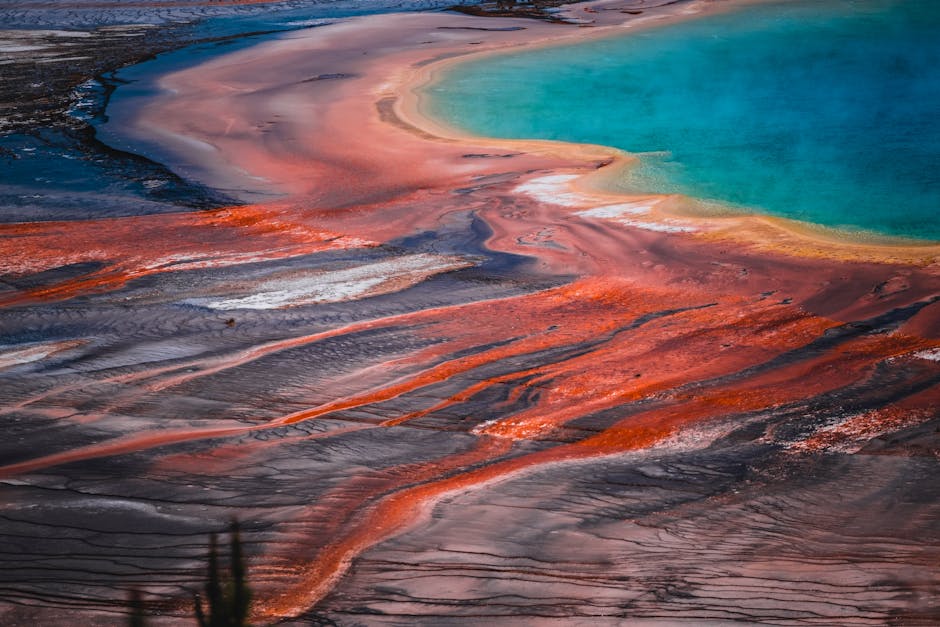
Never collect water from thermal or geothermal sources. Hot springs, fumaroles, and thermally influenced streams carry dissolved minerals and acids that no filter or purification tablet removes. The Sawyer Squeeze ($40) and Katadyn BeFree ($60) are both capable filters for Yellowstone’s cold streams and lakes — useless against thermal contamination. Collect only from cold, clear, moving water. If a source looks warm, smells sulfurous, or has discolored sediment around it, move upstream to a different creek entirely.
The Gear List Specific to Yellowstone
If you’ve done backcountry trips elsewhere, you already own most of what you need. Yellowstone adds a short list of specific requirements that other parks don’t impose at the same level:
- Hard-sided bear canister — BearVault BV500 ($80) or Garcia Backpacker’s Cache ($75). Required by regulation, not just recommended.
- Bear spray — Counter Assault ($50) or UDAP ($45), minimum 7.9 oz. Holstered on your hip, not clipped to your shoulder strap.
- Gaiters — Bechler River crossings and marshy meadow sections will soak trail runners within the first hour without them.
- Trekking poles — River fords are significantly safer with two points of contact. Black Diamond Trail Cork ($120) handle the conditions reliably without excessive weight.
- Insulation layers for 30°F nights — Even in August, Yellowstone sits at 7,000–8,000 feet elevation. Daytime temperatures of 75°F can drop to freezing overnight. This catches people off guard every season.
- High-SPF sun protection — Most terrain above 7,500 feet offers minimal shade, and UV exposure at altitude is significantly higher than at sea level.
What you don’t need to overthink
Tent choice matters less than most gear forums suggest. A solid 3-season tent handles everything Yellowstone throws at backpackers from July through September. The Big Agnes Copper Spur HV UL2 ($500, 2.85 lbs) is a common choice — good wind resistance, large vestibule for wet boots and gear, packs small. That said, if you already own a capable 3-season shelter, use it. Don’t buy a new tent for this trip. The canister and bear spray are where the budget priority goes.
Month-by-Month: When the Backcountry Actually Opens
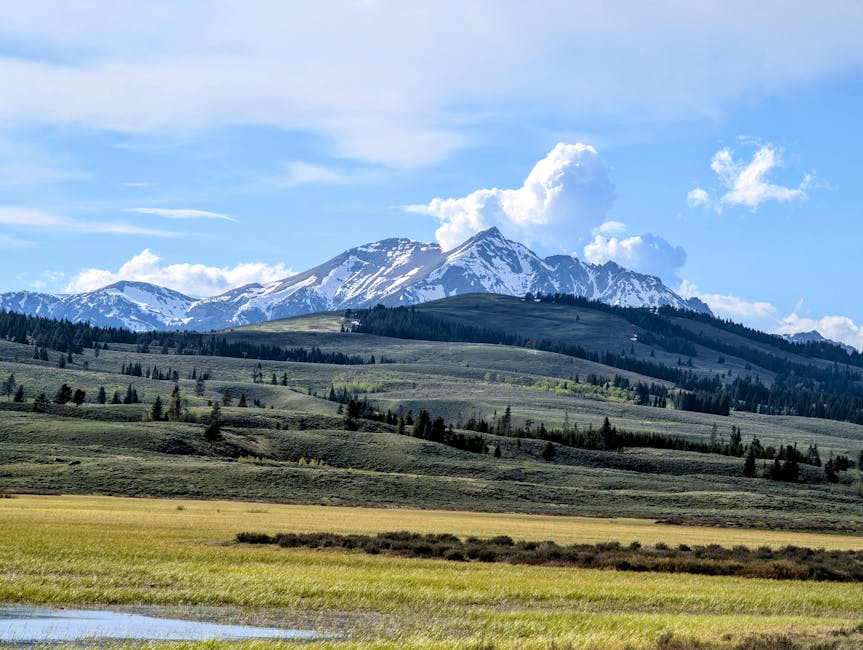
The park is technically open year-round. The backcountry is a different story. Snow, river levels, and wildlife activity shift conditions dramatically across the season.
| Month | Trail Conditions | River Crossings | Mosquitoes | Verdict |
|---|---|---|---|---|
| May | Snow on most routes | High and dangerous | Low | Avoid backcountry unless experienced in winter travel |
| June | Improving; snow above 8,000 ft | High, use extreme caution | Moderate | Black Canyon is accessible; Bechler and Thorofare are not |
| July | Good to excellent | Normalizing | Heavy in wet areas | Solid month; bring serious bug protection for Bechler |
| August | Best conditions of the year | Normal and manageable | Fading after mid-month | Peak month; permits fill fast — book on April 1 |
| September | Excellent | Low, easy crossings | Very low | Best overall month — elk rut, cooler temps, fewer people |
| October | Early snow possible | Low | None | Bears in hyperphagia; stay alert and verify conditions before going |
September is the strongest month for most backpackers. River crossings are at seasonal lows, mosquitoes are gone, and the elk rut that begins mid-month produces some of the most dramatic wildlife viewing in North America. Permit competition is also lower than August. If your schedule has any flexibility, September is where it should go.
What Actually Goes Wrong Out There
Did you book the right campsite type?
The most common permit error: reserving a stock campsite (horses and mules required) as a foot-traffic party, or vice versa. The park codes every site clearly in the Backcountry Trip Planner PDF, but hikers skip reading it and the booking interface doesn’t always surface the distinction prominently. Rangers will turn you back at the trailhead with no recourse. Download the planner, read every campsite code for your route, and verify the type before you finalize the reservation — not after.
Are you crossing rivers at the right time of year?
Early-season crossings in the Bechler and Thorofare drainages have injured and killed backpackers. The Bechler River can run thigh-to-waist deep in June from snowmelt, with current strong enough to take your footing off uneven riverbed rock. The park posts crossing conditions at trailheads, but updates are infrequent and lag behind conditions. Call the Yellowstone Backcountry Office at (307) 344-2160 before your trip. Someone there knows what the crossings looked like last week. If a ford looks wrong when you arrive, turn back. No campsite is worth a cold-water drowning.
Did you check thermal proximity restrictions?
Camping within a quarter mile of thermal features is prohibited across most of Yellowstone’s backcountry. Heart Lake Geyser Basin, Shoshone Geyser Basin, and the Bechler’s thermal areas all have specific buffer rules. The ground near thermal features can be thermally altered — a thin crust over scalding water, unstable soil that gives way underfoot. These restrictions aren’t bureaucratic excess; people have fallen through what looked like solid earth near hydrothermal areas. Check the campsite-specific rules in the Trip Planner for every night of your itinerary before you leave home.

Related Posts