

Hidden Gems In Portugal: Skip Lisbon and Porto: 10 Portuguese Towns That Actually Deliver in 2026
You land in Lisbon at 9 a.m. By noon, you’re shoulder-to-shoulder on Rua Augusta, paying €18 for a codfish cake and watching a man in a Spider-Man costume take a smoke break. This isn’t Portugal. It’s a theme park with better tiles.
The real country runs east toward Spain, north toward Galicia, and south toward empty Atlantic beaches. These ten towns aren’t secrets to the Portuguese. They’re just not on your Instagram feed yet.
The 2026 Math: Why Tourists Are Priced Out of the Big Two
Lisbon’s short-term rental registry hit 19,000+ licensed units in 2026. The city council froze new alojamento local licenses in 24 civil parishes. That means fewer beds, higher prices, and more day-trippers cramming into the same four viewpoints.
Porto’s Ribeira district now sees 40,000 visitors per day in August. That’s not travel. That’s queueing with a pastel de nata.
Meanwhile, the Portuguese government pushed a 2026 campaign called “Portugal Fora de Horas” (Portugal Outside Peak Hours). It promotes inland Alentejo, Beira Alta, and Trás-os-Montes with subsidized train fares on the Linha do Douro and Linha do Alentejo. A second-class ticket from Lisbon to Évora costs €12.70. A round-trip train to Sintra costs €5.60 and you’ll share it with 4,000 people.
You do the math.
| Town | Region | Train/Bus from Lisbon | Approx. Cost | Best Month (2026) |
|---|---|---|---|---|
| Évora | Alentejo | 1h30 train | €12.70 | March |
| Monsanto | Beira Baixa | 3h10 bus + taxi | €19.80 | April |
| Tavira | Algarve | 3h train | €21.00 | May |
| Comporta | Alentejo Litoral | 1h15 bus | €12.00 | September |
| Piodão | Serra do Açor | 4h bus + car | €25.00 | June |
| Bragança | Trás-os-Montes | 5h bus | €22.50 | October |
| Costa Nova | Aveiro District | 3h train + bus | €18.40 | May |
| Marvão | Alto Alentejo | 3h30 bus | €17.60 | April |
| Sortelha | Beira Interior | 4h bus + taxi | €23.00 | June |
| Azenhas do Mar | Sintra Coast | 45 min bus | €4.50 | February |
Évora: The Roman Town You Can Actually Sleep In
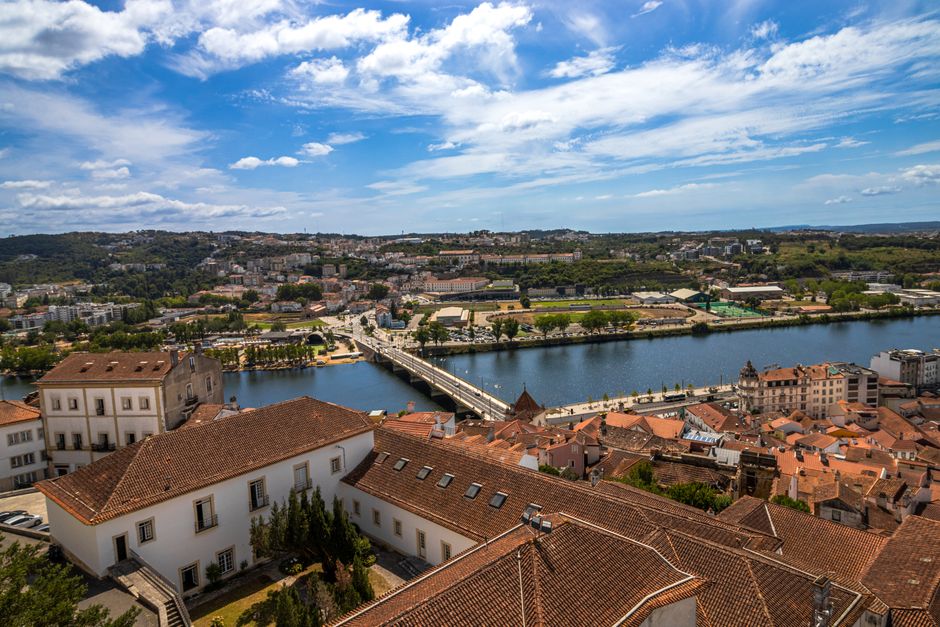
Évora has a 2,000-year-old Roman temple, a chapel lined with human bones, and a university that’s been running since 1559. It’s a UNESCO World Heritage site. And yet, at 9 p.m. on a Tuesday in March, you can sit alone in Praça do Giraldo with a €1.20 espresso and hear your own thoughts.
The Capela dos Ossos (Chapel of Bones) charges €6 entry. Go at opening — 9 a.m. — before the tour buses from Lisbon arrive at 10:30. The inscription above the door reads, “We bones that are here, for yours we wait.” It’s not a wellness retreat.
Stay at the Pousada Convento de Évora, a converted 15th-century monastery between the temple and the cathedral. Doubles start around €140 in March. That same money in Lisbon gets you a room facing an air shaft.
Don’t miss the black pork at Taberna Típica Quarta-Feira. The secretos (pork skirt) come charred, garlicky, and under €14. Order the migas with it. This is Alentejo food — bread, pork, coriander, olive oil. No foam. No tweezers.
Monsanto: The Town Built Into a Boulder Field
Monsanto won a 1938 contest for “Most Portuguese Village in Portugal.” The prize was a silver rooster. The villagers built houses around, under, and inside granite boulders. Some kitchens have a 20-ton rock as the back wall.
This place is physically demanding. The streets are steep, uneven, and slippery after rain. Skip it if you have knee problems or push a stroller. The Instagram shots don’t show the 45-degree climb to the castle.
Park at the bottom near the Torre de Lucano and walk up. The castle at the top is free and empty most mornings. From the keep, you see Spain on a clear day.
Eat at Taverna Lusitana. The owner serves a fixed menu — usually goat stew, local cheese, and chestnut cake — for around €18. Cash only. This is not a card village.
Tavira: The Algarve Town That Refuses to Become Albufeira
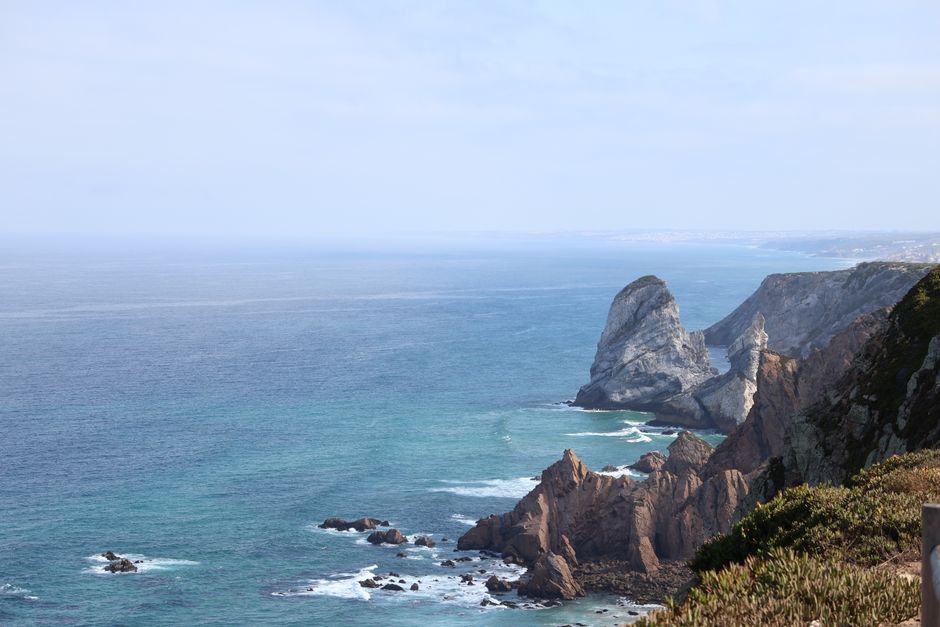
Tavira sits on the Gilão River, 30 minutes east of Faro. It has 37 churches, a Roman bridge, and zero high-rise hotels. The nearest beach is a 10-minute ferry to Ilha de Tavira, a sandbar with one restaurant and 11 km of empty Atlantic shore.
Unlike Lagos or Albufeira, Tavira hasn’t sold its soul to British stag parties. The municipal government banned new construction above four stories in the historic core. You’ll notice the silence.
Stay at Vila Gale Tavira if you want a pool and breakfast. Pay around €95 in May. Or rent a fisherman’s house in the old quarter for €70 a night. The ferry to Ilha de Tavira costs €2.20 round trip. Bring water — the one beach bar closes at 7 p.m.
Eat cataplana at Restaurante O Tonel. The seafood stew comes in a copper clamshell pot, feeds two, and costs €32. It’s the best meal in the eastern Algarve, and it’s not close.
Comporta: The Quiet Antidote to Lisbon’s Day-Trip Circus
Comporta is what happens when rice farmers own the land and refuse to sell to developers. The result: 12 km of beach with no hotels, no boardwalk, no parasol rental. Just sand, storks, and the occasional dolphin.
It’s 1 hour 15 minutes south of Lisbon by bus (€12 each way). Go on a weekday in September. The water is still 20°C, and the Lisbon crowds are back at work.
Lunch at Restaurante Sal — grilled cuttlefish, tomato rice, and a bottle of Herdade da Comporta white for €45 for two. Then walk it off on the beach. The sand is so fine it squeaks underfoot.
This is not a budget destination. Comporta attracts a certain crowd — the kind that wears linen unironically. But the beach is free, the rice fields are beautiful, and the sunset over the Sado estuary beats any rooftop bar in Lisbon.
Piodão: The Schist Village That Tests Your Suspension
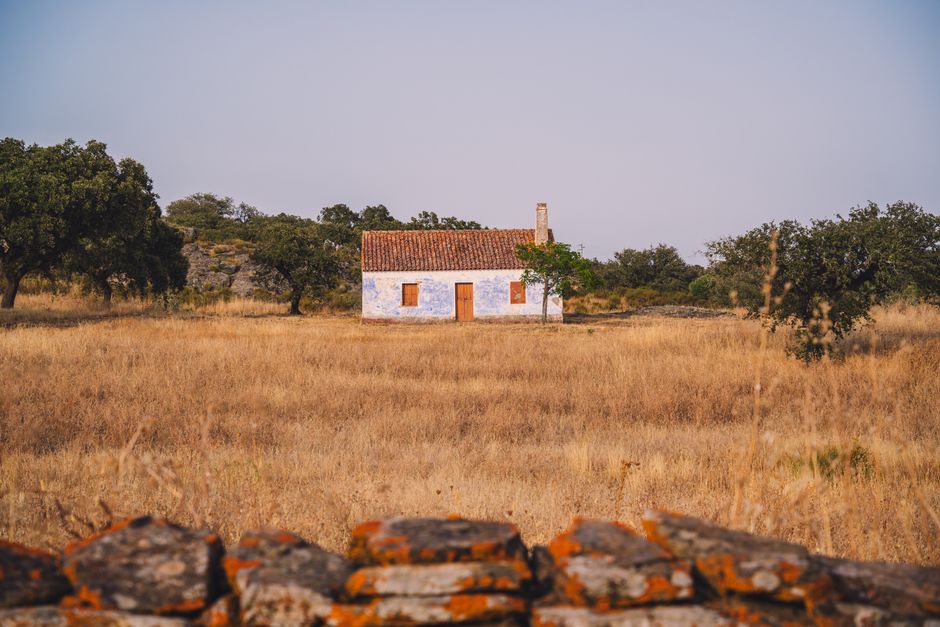
Piodão is a cluster of blue-doored schist houses in the Serra do Açor mountains. It looks like a nativity scene. It’s also a 4-hour drive from Lisbon on winding mountain roads. Your rental car’s brakes will smell like a tire fire by the time you arrive.
Rent a Renault Clio or similar from Lisbon Airport for around €28/day. Do not attempt this in a Fiat 500 with 90 horsepower. The final 10 km climb is brutal.
Stay at Inatel Piodão, a municipal inn with mountain views and a working fireplace. Doubles run €65 in June. Eat at O Fontinha — goat chanfana stewed in red wine, served with boiled potatoes and mountain cheese. €12. You’ll need a nap afterward.
Piodão is not for everyone. If you want nightlife, stay in Coimbra. If you want silence, stars, and the sound of sheep bells, this is it.
Bragança: The Frontier Town Most Tourists Never Bother to Reach
Bragança is 500 km from Lisbon and 30 km from Spain. It’s the capital of Trás-os-Montes — “beyond the mountains.” The region is famous for cured meats, chestnuts, and a dialect that even other Portuguese people struggle with.
The citadel is a walled medieval village with a working keep, a 12th-century Domus Municipalis, and a museum of masks from the winter solstice festivals. Entry to the castle is free. The mask museum costs €2.
Eat at Restaurante Solar Bragançano. The posta à mirandesa — a thick veal steak from the Mirandesa cattle breed — costs €18 and comes with a warning: it will ruin all other steak for you.
Bragança works as a base for the Montesinho Natural Park. In October, the chestnut harvest transforms the hills. The air smells like woodsmoke and roasted nuts. This is Portugal before tourism discovered it.
Costa Nova: The Striped Houses That Aren’t Just for Photos
Costa Nova is a fishing village near Aveiro with houses painted in vertical stripes — red, blue, green, yellow. They were originally storage sheds for fishing gear. Now they’re vacation rentals.
The real draw is the food. The Ria de Aveiro lagoon produces some of the best eels and cockles in Portugal. Eat at Dori — grilled eel with egg rice, €16. Then walk the wooden boardwalk to Praia da Barra, where the Atlantic hits the breakwater.
Stay in one of the striped houses. A two-bedroom rental costs €90-120 a night in May. Book through Booking.com but confirm directly with the owner — many list on the platform but discount for direct bookings.
Costa Nova is a 3-hour train-and-bus combo from Lisbon. It’s the easiest “hidden gem” on this list to reach without a car.
Marvão: The Eagle’s Nest on the Spanish Border
Marvão sits at 860 meters on a granite crag above the Sever River. The castle walls drop straight down. On a clear day, you can see the plains of Extremadura in Spain and the Serra da Estrela in the north.
The village has fewer than 200 permanent residents. The castle is free and open until 8 p.m. in summer. Walk the walls at sunset. The light turns the stone orange, and the valley below fills with shadow.
Stay at Pousada de Marvão, a converted convent inside the walls. Doubles cost €110 in April. The restaurant serves migas with wild asparagus and local goat cheese. It’s the kind of meal that makes you reconsider city life.
Marvão is not easy to reach. The bus from Lisbon takes 3.5 hours and drops you at the base of the hill. From there, it’s a 4 km climb. Rent a car. The drive through the Alentejo plains — cork oaks, olive groves, whitewashed villages — is half the reward.
Sortelha: The Medieval Village Time Forgot
Sortelha is a 13th-century border fortress built from granite. The houses still have stone roofs. The streets are too narrow for cars. There’s one restaurant, one guesthouse, and a castle you can climb for free.
This is the least commercialized village on this list. No souvenir shops. No guided tours. Just stone, silence, and the occasional cat.
Eat at Dom Sancho I. The menu changes daily. Expect grilled lamb, bean stew, and a bottle of Beira Interior red for under €25 total. The owner will tell you the history of the village if you ask. Do ask.
Sortelha pairs well with a visit to Monsanto — they’re 40 minutes apart. Do both in one day. Stay in Sortelha, eat in Monsanto, or vice versa. The Beira Interior region is Portugal’s most underrated road trip.
Azenhas do Mar: The Coastal Village 45 Minutes From Lisbon That Feels Like Another Planet
Azenhas do Mar is a whitewashed village stacked on a cliff above a natural ocean pool. It’s technically in the Sintra municipality, but it’s nothing like Sintra. No palaces. No tour buses. Just the Atlantic, a saltwater pool, and a restaurant with a view.
The bus from Lisbon (route 1248 from Portela de Sintra) costs €4.50 and takes 45 minutes. Go in February. The ocean is wild, the village is empty, and the winter light makes the white houses glow.
Swim in the ocean pool at high tide. It’s free and cold — around 14°C in winter. Then warm up at Restaurante Azenhas do Mar. The grilled sea bass with potatoes and greens costs €18. The view is worth double.
This is the easiest add-on to a Lisbon trip that doesn’t involve fighting crowds at Pena Palace. Skip the palace. Come here instead.
How to Actually Do This Trip
Rent a car. The Portuguese rail network is fine for Évora and Tavira, but the inland villages — Monsanto, Piodão, Marvão, Sortelha — require wheels. A compact car from Sixt or Guerin costs €25-35/day with full insurance. Book for a week. Drive the interior. Stop in small towns. Eat at places with handwritten menus.
Don’t try to see all ten in one trip. Pick a region. The Alentejo loop (Évora, Marvão, Monsanto, Sortelha) takes 5 days. The northern loop (Piodão, Bragança, Costa Nova) takes 6. The coastal loop (Comporta, Tavira, Azenhas do Mar) takes 4.
The point isn’t to check boxes. It’s to remember why you travel in the first place — before the crowds, before the Instagram geotags, before the €18 codfish cakes.
You’ll land back in Lisbon at the end. The Spider-Man will still be there. The queue will be longer. And you’ll smile, because you know something the other tourists don’t.

Related Posts