Kyoto 4-Day Itinerary: Kyoto 2026: A 4-Day Culture Itinerary Without the Crowds
You booked the flight. You have four days. Now you’re staring at a map of Kyoto with 17 temples, three bamboo groves, and a growing sense that you’ll spend half the trip standing in line behind a tour group from a cruise ship. The real question isn’t what to see. It’s what order to see it in so you don’t burn out by day two.
This itinerary solves that. It front-loads the heavy hitters at hours when they’re quiet, mixes in neighborhoods you can actually walk through, and gives you one full morning with no plan at all. It assumes you’re staying near Kyoto Station or downtown. It assumes you have a Suica or ICOCA card already on your phone. And it assumes you’d rather miss a famous temple than stand in a 40-minute queue for a photo you’ve already seen on Instagram.
Here’s the honest tradeoff: you will not see everything. You will see the core of what makes Kyoto different from every other city in Japan, and you’ll still have energy left to enjoy dinner.
Day 1: Higashiyama Before Breakfast, Then the Path Everyone Skips
Start at Kiyomizu-dera at 6:30 AM. Not 8:00. Not 9:00. The temple gates open at 6:00 AM, and the difference between 6:30 and 9:00 is the difference between a quiet wooden stage overlooking the city and a shoulder-to-shoulder shuffle with people holding selfie sticks. The main hall closes for renovations periodically, but the view from the stage doesn’t change. Admission is 500 yen. Go up the steep approach, pay, walk through, then come back down the same way you came. Do not go down Sannenzaka and Ninenzaka yet. Those slopes fill up by 8:30, and you’ll walk them later when the shops open.
The back route to Kodai-ji
From Kiyomizu, walk north to Kodai-ji Temple through the back entrance, not the main gate. Use the path that runs behind the Ishibei-koji alley. Kodai-ji is 600 yen and has a small bamboo grove. It’s not the Arashiyama bamboo forest, but you’ll be one of maybe twelve people in it. The temple’s rock garden is designed by the same school that did many of the famous ones, and the lacquer work inside the founder’s hall is worth the stop.
When the crowds arrive, leave
By 10:00 AM, the main Higashiyama corridor is packed. That’s your cue to walk north through Maruyama Park and into the backstreets of Gion. The streets around Shirakawa Canal are nearly empty in the morning. You’ll see wooden machiya houses, willow trees, and maybe a geisha walking to a morning appointment. No tour bus stops here.
Lunch: Men-ya Inoichi near Sanjo. It opens at 11:30. Get there at 11:15 and put your name on the list. The shoyu ramen is 950 yen and the broth is made with three types of soy sauce. It’s the best bowl in the area and the line after noon is 45 minutes.
Day 2: Arashiyama First, Then the Northwest Temples
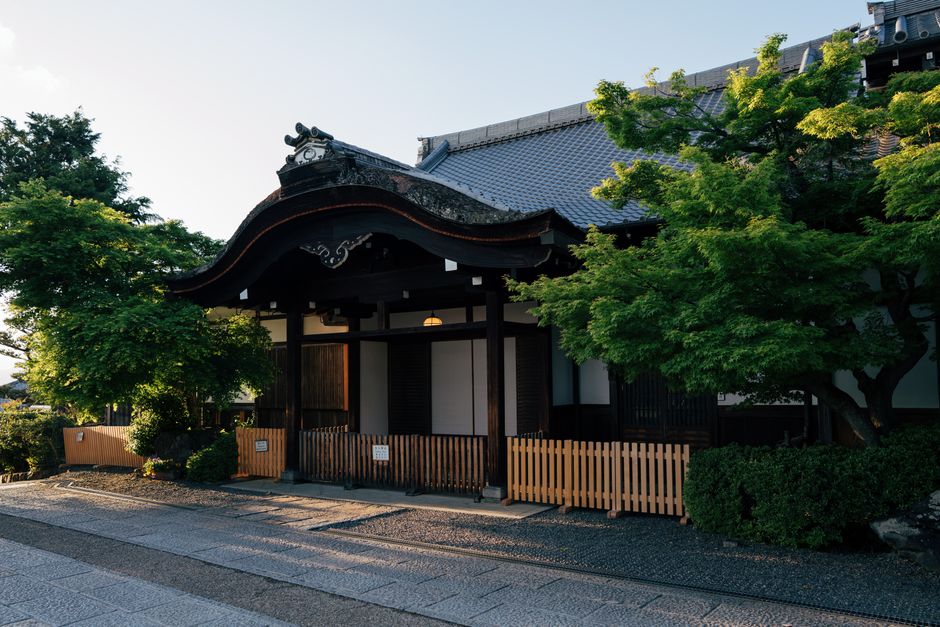
Take the JR Sagano Line from Kyoto Station to Saga-Arashiyama Station at 6:45 AM. The bamboo grove is a 10-minute walk from the station. At 7:00 AM, you’ll share it with maybe twenty people. By 9:00 AM, it’s a conveyor belt. Walk through the grove, then turn around and walk back through it. It’s short. Don’t pretend it’s a hike.
Then walk to Otagi Nenbutsu-ji. This is the temple everyone skips because it’s a 40-minute walk from the bamboo grove or a 10-minute bus ride. It has 1,200 stone statues of disciples, each with a different face. Some are laughing. Some are crying. It’s 300 yen and you’ll be nearly alone. The path there goes through a working neighborhood with vegetable gardens and small shrines. This is the Kyoto people mean when they say Kyoto is quiet.
The temple that’s worth the bus ride
After Otagi, take the bus back toward central Arashiyama and then switch to the bus for Kinkaku-ji, the Golden Pavilion. It opens at 9:00 AM. You’ll arrive around 11:00, which is not ideal, but the crowds move fast because the path is one-way. The pavilion is exactly as gold as the photos. You’ll be in and out in 45 minutes. Admission is 500 yen. The real value is the garden behind the pavilion, which most people rush through because they’re focused on the gold building.
Skip Ryoan-ji if you’re short on time. The rock garden is famous, but it’s often surrounded by school groups, and the experience doesn’t match the hype on a crowded day. If you want a rock garden without the crowd, go to Daitoku-ji instead, which has several sub-temples and a fraction of the visitors.
Day 3: Fushimi Inari at Dawn, Then a Working Morning
Take the first train to Inari Station at 5:45 AM. Fushimi Inari Taisha is open 24 hours. The torii gates are lit before sunrise, and you’ll walk through the first tunnel with no one in front of you. This is the single most photographed spot in Kyoto, and at 6:00 AM it’s yours.
Here’s what most guides get wrong: you don’t need to hike the entire mountain. The full loop takes 2-3 hours and the upper sections look the same as the lower ones. Walk to the Yotsutsuji intersection, about 30-40 minutes up, where the path opens to a view over the city. Then turn around and walk back down. You’ll see hundreds of gates, pass the small shrines, and be done by 8:30.
Where to go after the gates
From Inari, take the Keihan Line to Tofuku-ji Temple. It’s one stop north. Tofuku-ji has the best zen garden in Kyoto for 500 yen, and the Hojo garden is a checkerboard of moss and stone that looks like a living painting. In autumn it’s packed for the maple leaves, but in other seasons it’s quiet.
Then take the train back to central Kyoto and spend the afternoon in the Nishiki Market area. The market itself is crowded by noon, but the side streets around it are full of knife shops, tea merchants, and small restaurants. Go to Aritsugu, the knife shop that’s been there since 1560, and watch them engrave a blade for you. A basic santoku knife costs around 8,000 yen and they’ll engrave your name in Japanese characters for free.
Day 4: The Morning With No Plan
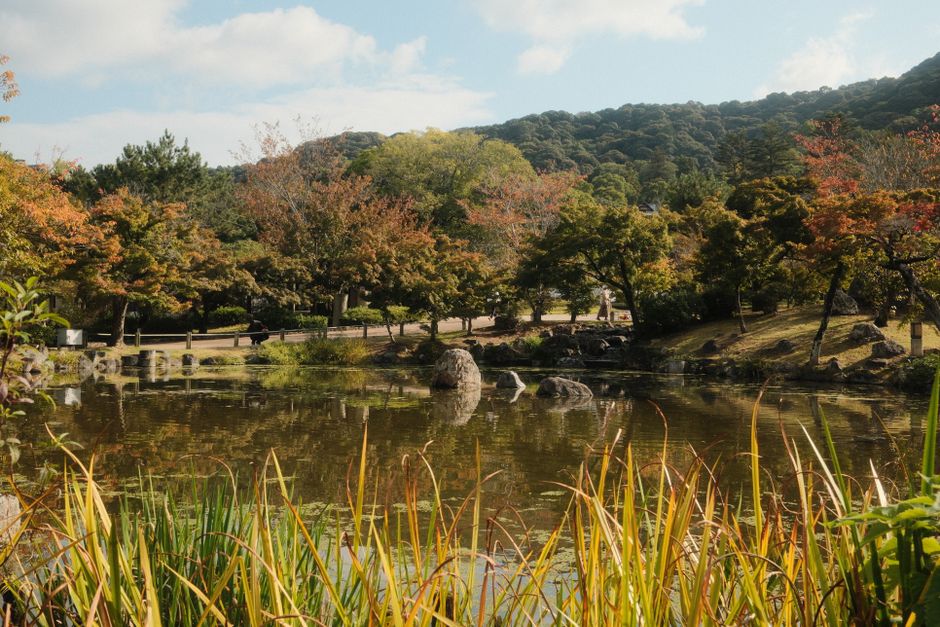
Leave the last day open. This is the most important part of the itinerary, and it’s the one most travelers skip because they’re afraid of missing something. You’ve already seen the major sites. Now you get to wander.
Start at the Philosopher’s Path at 7:30 AM. It’s a 2-kilometer stone path along a canal, lined with cherry trees. In spring it’s pink. In other seasons it’s green and quiet. Walk from Ginkaku-ji (the Silver Pavilion, 500 yen) south toward Nanzen-ji. Stop at Honen-in, a small temple with a thatched gate and moss garden, which is free and rarely busy.
The coffee and paper streets
Then walk west into the Okazaki area and find a coffee shop. Weekenders Coffee is a small stand in a parking lot near the canal. The owner roasts beans in the back. A pour-over costs 600 yen. Sit on the bench outside and watch the neighborhood wake up.
If you want one more structured stop, go to the Kyoto Handicraft Center or the small paper shops around Kamigamo. The washi paper at Morita Washi costs 300-500 yen per sheet and makes a better souvenir than anything in the gift shops near Kiyomizu.
What Most Itineraries Get Wrong
The biggest mistake is ordering temples by fame instead of by geography. Kyoto’s sites are spread across the city, and a famous temple in the northwest and a famous temple in the southeast are not a “quick bus ride” apart. They’re an hour apart. If you follow the famous-list order, you’ll spend three hours a day on buses and trains.
The second mistake is starting too late. Kyoto is a city of early openings and early closings. Most temples open at 6:00 or 8:00 AM and close at 4:30 or 5:00 PM. If you sleep until 9:00, you’ve already missed the best two hours of the day.
The third mistake is treating Kyoto like a checklist. The city’s value isn’t in the number of temples you visit. It’s in the moments between them: the empty path behind a shrine, the garden you find by accident, the tofu breakfast at a counter with six seats. If you rush from site to site, you’ll miss the thing you came for.
Budget Breakdown: What Four Days Actually Costs
| Item | Cost (per person) | Notes |
|---|---|---|
| Temple admissions (6-7 temples) | 3,500-4,500 yen | Most are 300-600 yen each |
| Local transport | 2,000-3,000 yen | Suica/ICOCA card, buses and trains |
| Food (4 days) | 12,000-16,000 yen | Mix of ramen, tofu, market food, one nice dinner |
| Knife or paper souvenir | 3,000-8,000 yen | Optional but worth it |
| Total | 20,500-31,500 yen | About $140-$215 USD |
This doesn’t include lodging. A basic business hotel near Kyoto Station runs 8,000-12,000 yen per night in 2026. A ryokan with breakfast will be 20,000-30,000 yen per night. The itinerary works from any central base.
The Verdict: What to Skip and What to Keep
Skip the Arashiyama Monkey Park. The hike is steep, the monkeys are behind fences, and the view isn’t better than what you get from the free riverside path.
Skip the Golden Pavilion if you only have two days. It’s beautiful but it’s a one-trick building with a gift shop atmosphere.
Keep Fushimi Inari at dawn. Keep the backstreets of Gion. Keep Otagi Nenbutsu-ji. Those three are the reason you came to Kyoto.
Kyoto in 2026 will be more crowded than ever. The city is limiting tour groups in some areas, but the main sites will still fill up by 9:00 AM. The solution isn’t to avoid the famous places. It’s to be there before the buses arrive, and to know when to walk away from the crowd and into a side street. That’s the whole trip.
The next few years will bring more restrictions, more digital ticketing, and more pressure on the city’s infrastructure. The travelers who adapt will still find the quiet Kyoto underneath. The ones who follow the old guidebooks will stand in line and wonder what the fuss was about.

Related Posts