Foodie Road Trip Lesser-Known Italian Regions: A Foodie Road Trip Through Italy’s Forgotten Regions: The Emilia-Romagna to Le Marche Route
The best food in Italy is not in Florence. It is not in Venice. It is in a diagonal band stretching from Parma southeast through Modena, Bologna, down into the Apennine foothills of Umbria, and ending at the Adriatic coast of Le Marche. This route costs less than half of a comparable Tuscany itinerary, requires zero reservations made months in advance, and puts you in front of producers who still remember the names of the people who buy their cheese.
I drove this route in September. Seven days. Four regions. One rental Fiat 500X that struggled on the mountain switchbacks but sipped diesel like a nun at communion. Here is how to plan the same trip, including the mistakes that cost me a full day of eating.
The Route: Why This Diagonal Beats the Tourist Triangle
Most food travelers default to the Florence-Siena-San Gimignano triangle. That route has become a theme park version of Italian food. You wait 45 minutes for a gelato that costs €7 and tastes like freezer burn. The restaurants near the Duomo serve frozen pasta reheated in bagged sauce. I am not being dramatic. I watched it happen.
The diagonal route from Parma to Ancona solves three problems at once. First, you avoid the Venice-Florence-Rome corridor entirely. Second, you follow the actual production zones of Italy’s most important foods: Parmigiano Reggiano, balsamico tradizionale, prosciutto di Parma, culatello, fresh egg pasta, truffles, and Verdicchio wine. Third, the infrastructure is built for Italians, not tourists, which means honest prices and honest food.
The 7-Day Skeleton
| Day | Base Town | Food Focus | Drive Time | Must Eat |
|---|---|---|---|---|
| 1 | Parma | Parmigiano, prosciutto | — | Tortelli d’erbetta at Trattoria Corrieri |
| 2 | Modena | Balsamico, Lambrusco | 45 min | Bollito misto at Osteria Francescana’s casual sister, Franceschetta58 |
| 3 | Bologna | Fresh pasta, mortadella | 40 min | Tagliatelle al ragù at Trattoria da Me |
| 4 | Pianoro (Apennines) | Wild mushrooms, chestnuts | 30 min | Tagliatelle ai funghi porcini at Osteria del Mulino |
| 5 | Norcia (Umbria) | Black truffles, cured pork | 3 hr 15 min | Pasta alla norcina at Trattoria dal Francese |
| 6 | Jesi (Le Marche) | Verdicchio, olive oil | 1 hr 45 min | Vincisgrassi at Osteria del Teatro |
| 7 | Ancona | Seafood, brodetto | 30 min | Brodetto all’anconetana at La Moretta |
This is not a rushed itinerary. You could compress it to five days by cutting Norcia or Jesi, but you would lose the truffle experience or the wine region. Do not do that.
Parma and Modena: The Production Zone Reality Check
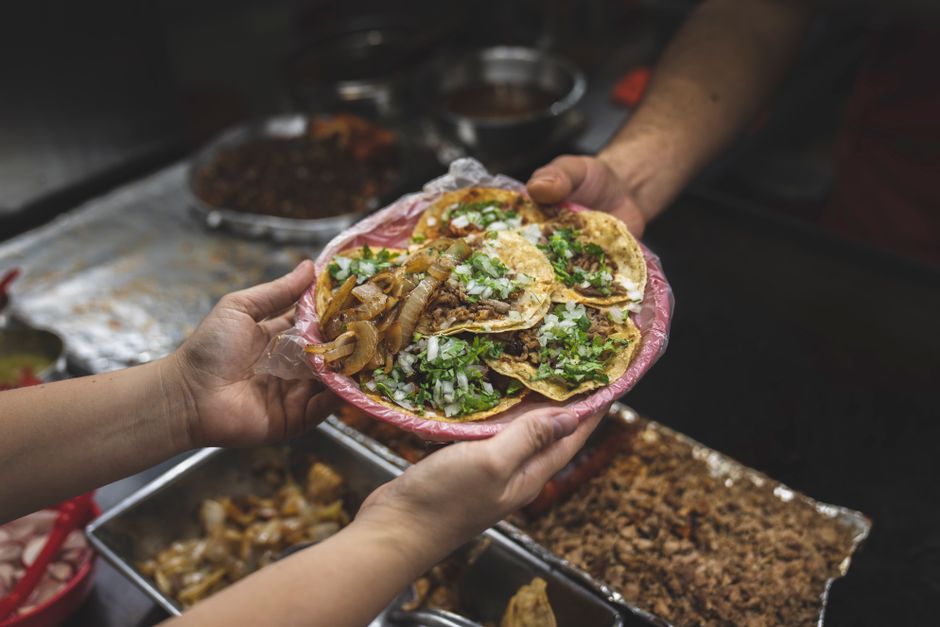
Here is the thing nobody tells you about visiting Parmigiano Reggiano producers: the good ones do not have websites. The ones with polished English-language booking portals charge €40 per person for a tour that lasts 35 minutes and ends in a gift shop selling overpriced balsamic. You do not need that.
Instead, drive to the village of Soragna, about 25 minutes northwest of Parma. The Caseificio San Pietro is a working dairy that lets visitors watch the morning cheese-making at 8:30 AM. You stand on a metal catwalk above copper vats while two men in rubber boots stir 1,100 liters of milk with a giant wooden paddle. The whey steams. The curd forms. It smells like warm milk and salt. No gift shop. No English signage. Just cheese.
For prosciutto, skip the famous Langhirano museum and go to Salumificio Conti in Felino. They cure 40,000 legs a year in a single aging room that smells like sweet pork and black pepper. The owner, a third-generation salumiere named Paolo, will cut you a slice of culatello so thin you can read through it. He charges nothing for the tasting if you buy a vacuum-sealed pack for €18.
Modena’s balsamico situation is trickier. The tourist-facing acetaie charge €25 for a tasting of three vinegars, two of which you can buy at any grocery store. The real move is to visit Acetaia di Giorgio, a family operation with 400 barrels in an attic. The grandmother runs the tasting. She pours 12-year, 18-year, and 25-year tradizionale onto plastic spoons and watches your face. The 25-year is thick as motor oil and tastes like figs, molasses, and oak. A 100ml bottle costs €65. It is worth it. You will never look at supermarket balsamic again.
Bologna: The Pasta City That Tests Your Patience
Bologna is the one stop on this route where you will encounter crowds. It is a university city with a thriving food scene, and the famous trattorias fill up fast. But here is the workaround: eat lunch at 12:00 sharp, not 1:00. Italians eat at 1:00 or later. If you show up when the doors open, you sit immediately.
Skip the touristic Quadrilatero market for anything except looking. The stalls are beautiful, but the prices are inflated 40% over what you will pay in the suburbs. Instead, go to Mercato delle Erbe, the covered market on Via Ugo Bassi. The Banco 32 stall serves the best fried fish sandwich in the city for €7. The fish comes from the Adriatic that morning. The bread is a split focaccia slicked with olive oil and a smear of anchovy butter.
For fresh pasta, you have two choices. Trattoria da Me on Via San Felice serves tagliatelle al ragù that tastes like someone’s grandmother has been stirring the pot since 1973. She has. The ragù is dense, brick-red, and studded with minced beef that melts under your fork. A full plate costs €12. The other option is Sfoglia Rina, a pasta shop that also runs a small lunch counter. Their tortellini in brodo is the single best thing I ate on the entire trip. Delicate, savory, and so light you could eat three bowls. €9.50.
The Apennine Detour: Mushrooms, Chestnuts, and One Bad Navigation Decision
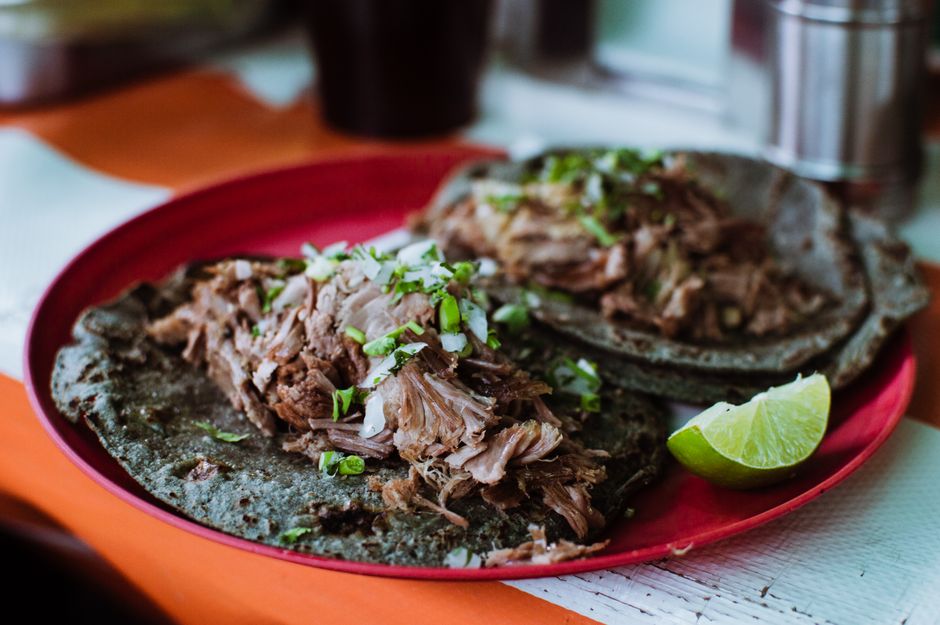
Between Bologna and Norcia, the route crosses the Apennine Mountains. This is not a fast drive. The SS65 south from Bologna climbs through hairpin turns past abandoned stone villages and chestnut forests. You will average 40 km/h. That is fine. The food changes here, and you want to stop.
The village of Pianoro, 30 minutes south of Bologna, is home to Osteria del Mulino. It sits beside a working water mill that has ground chestnut flour since 1847. In autumn, the kitchen runs a porcini mushroom menu that changes daily based on what the foragers bring in. The tagliatelle ai funghi porcini costs €14 and arrives under a pile of sliced mushrooms so generous you cannot see the pasta. The chestnut cake, made with flour from the mill, tastes like autumn itself.
My mistake: I tried to take the SP65 shortcut from Pianoro to Firenzuola. The road was closed for landslide repair. No signage until you were already committed. I lost 90 minutes backtracking. Do not trust shortcuts in the Apennines. Stick to the SS65 and the E45. Check the road status at your hotel before leaving.
Norcia: The Truffle Town That Refuses to Die
Norcia got hit hard by the 2016 earthquake. The basilica collapsed. Half the town center is still behind scaffolding. But the food culture survived, and in some ways, the disaster cleared out the tourist fluff. What remains is the real thing: a mountain town that has been curing pork and hunting truffles since Roman times.
The black truffle season runs from November to March, but even in September, the local restaurants use preserved truffles and fresh summer truffles liberally. Trattoria dal Francese on Via Solferino serves pasta alla norcina, the town’s signature dish: fresh strangozzi pasta tossed with crumbled Norcia sausage, cream, and a blizzard of shaved black truffle. €16. The sausage alone is worth the drive: dense, garlicky, and coarse-ground, nothing like the smooth emulsified sausages you get elsewhere.
For truffles to take home, skip the shops on the main square. Walk to Tartufi Bianconi on Via Anicia. They sell whole black truffles by weight at about €1 per gram, depending on the harvest. A 40-gram truffle costs €40 and will perfume a dozen pasta dishes. They vacuum-seal it for the flight home. Do not buy truffle oil here. It costs more than in Bologna and is the same synthetic stuff.
Le Marche: Verdicchio and the Seafood Finale
Le Marche is the most underrated wine region in Italy. The Verdicchio grape produces white wines that taste like lemon zest, green almond, and sea salt. They cost a fraction of comparable Burgundy or Soave. And the region’s food is a strange, wonderful hybrid of mountain and coast: vincisgrassi, a lasagna layered with chicken livers and prosciutto, sits next to brodetto, a fish stew thickened with bread and vinegar.
Base yourself in Jesi, a walled hill town 30 minutes from the coast. The Osteria del Teatro serves the best vincisgrassi I found, a brick of pasta, ragù, béchamel, and chicken livers baked until the edges crisp. €11. Pair it with a glass of Verdicchio dei Castelli di Jesi Classico Superiore from Bucci. The bottle retails for about €18 at the winery, and it drinks like a wine three times that price.
For the final meal, drive to Ancona and eat at La Moretta, a seafood institution on the harbor. The brodetto all’anconetana comes in a clay pot with at least five kinds of fish, tomatoes, vinegar, and thick slices of grilled bread. It costs €22 and feeds two people. Order it. Eat it slowly. Watch the ferries leave for Greece and Croatia. This is the payoff.
What Goes Wrong: Three Failure Modes to Avoid
First failure mode: over-planning. You do not need reservations at most of these places except for Friday and Saturday nights in Bologna. The beauty of this route is spontaneity. If you book every meal three weeks out, you lose the ability to follow a recommendation from a cheesemaker or a winemaker.
Second failure mode: renting too big a car. The roads in the Apennines and through Le Marche’s hill towns are narrow. A Fiat 500X or Volkswagen T-Cross is the right size. Anything larger will make you miserable on the switchbacks and impossible to park in Jesi’s medieval center. I watched an American couple in a rented BMW X5 try to park in Jesi for 20 minutes. They gave up and drove back to the coast.
Third failure mode: eating at the wrong time. Italian kitchens close between 3:00 PM and 7:00 PM. If you plan to drive during those hours, you will arrive hungry and find nothing open. Eat lunch at 12:30, drive from 2:00 to 5:00, and eat dinner at 8:00. This rhythm also lets you avoid the worst traffic.
The route from Parma to Ancona is not a secret. Italians have known about it forever. But it remains blessedly free of the tour bus circuit because it requires a car, a willingness to drive mountain roads, and a genuine interest in food over photo opportunities. If that sounds like you, this is the best eating trip in Italy right now.

Related Posts