

Finding Cheap Flights to Greece: Booking Strategies and Seasonal Price Analysis
You are sitting at your desk in mid-January, scrolling through images of the Cyclades, and you finally decide to check the fare for a June trip to Santorini. The search engine returns a staggering $1,400 round-trip from New York or a £450 ticket from London. You close the tab, convinced that the Mediterranean is becoming an exclusive playground for the wealthy. However, three weeks later, a different search reveals a flight to Athens for half that price, leaving you to wonder why the algorithm behaves so erratically. This volatility is not random; it is the result of complex yield management systems, seasonal capacity shifts, and the specific geographic constraints of the Greek archipelago. Understanding how to secure cheap flights to Greece requires looking past the glossy advertisements and analyzing the actual logistics of European aviation corridors.
Seasonal Pricing Dynamics and the Shoulder Season Advantage
The Greek aviation market is one of the most seasonal in the world. During the peak months of July and August, demand for the islands often exceeds the physical capacity of the regional airports, leading to astronomical fare increases. Data from major booking aggregators indicates that flying to Mykonos or Santorini in the first week of August can cost up to 300% more than the same route in early October. This is not merely a matter of supply and demand; it is also influenced by the operational limitations of island runways, which cannot accommodate the larger long-haul aircraft that might otherwise drive prices down through economy of scale.
For those prioritizing cost, the “shoulder seasons”—specifically May to early June and late September to October—offer the most favorable price-to-weather ratio. During these windows, the low-cost carriers (LCCs) like Ryanair and EasyJet are still operating their full summer schedules, but the load factors (the percentage of seats filled) are significantly lower. This discrepancy forces airlines to lower their baseline fares to attract travelers. For instance, a flight from Berlin to Chania (Crete) might hover around €40 in May, whereas the same seat in August rarely drops below €250. Furthermore, traveling during the shoulder season avoids the price spikes associated with the Greek Orthodox Easter, a period when domestic demand for flights skyrockets as locals return to their home villages.
It is also worth analyzing the “November Cliff.” Once the charter season ends in late October, many direct flights from Northern Europe to the islands cease entirely. While this makes the islands quieter, it often makes the flights more expensive because you are forced to route through Athens on a domestic carrier. If your goal is purely to find the lowest possible number on a screen, Athens remains the only year-round budget destination in the country, maintaining competitive pricing even in the depths of January when the islands are largely shuttered.
The Athens Hub Strategy vs. Direct Island Charters

A common dilemma for travelers is whether to book a direct flight to an island or to fly into Athens International Airport (ATH) and transfer. The “Athens Hub Strategy” is often the most cost-effective method for long-haul travelers. Because ATH serves as the primary gateway for Aegean Airlines and Sky Express, it benefits from high-frequency competition. Often, booking a flight to Athens and then purchasing a separate domestic ticket can save a family of four upwards of $600 compared to a single-ticket itinerary to a regional airport like Rhodes or Corfu.
However, the hidden costs of the Athens transfer must be accounted for. A “cheap” flight that arrives in Athens at 11:00 PM might require an overnight stay at an airport hotel (averaging €140 per night) or a taxi ride into the city center (€40–€55). In contrast, direct charter flights from cities like Manchester, Amsterdam, or Frankfurt often fly directly into island airports like Kos (KGS) or Zakynthos (ZTH). These charters are frequently sold as part of holiday packages, but savvy researchers can often find “seat-only” deals on sites like TUI or Condor during the last-minute booking window (7–14 days before departure).
Evaluating the Ferry Alternative
When the domestic flight from Athens to an island is priced over €100, the ferry becomes a serious competitor. The Blue Star Ferries, departing from Piraeus, offer a fixed-price alternative that is immune to the last-minute fare hikes seen in aviation. A deck-class ticket to Paros or Naxos typically costs between €40 and €55. While the journey takes 4–5 hours compared to a 45-minute flight, the ferry has no baggage weight limits, which can save a traveler another €30–€60 in airline fees. For those arriving at ATH, the X96 bus provides a direct, €5.50 link to the port, making the ferry a logistically sound component of a budget-focused itinerary.
Low-Cost Carrier Comparison: Aegean, Sky Express, and the Budget Giants
The Greek domestic market is dominated by a few key players, each with a distinct pricing model and service level. Choosing the right airline is about more than just the initial fare; it is about understanding the ancillary fee structures that can quickly double the cost of a ticket. Aegean Airlines, the national carrier, frequently wins awards for its service, but its “Light” fares do not include checked luggage or seat selection. Sky Express has emerged as a formidable competitor, often undercutting Aegean on price while offering a more modern fleet of ATR-72 and Airbus A320neo aircraft.
| Airline | Average Domestic Fare | Baggage Policy (Basic) | Pros | Cons |
|---|---|---|---|---|
| Aegean Airlines | €60 – €120 | 8kg Carry-on only | High reliability, Star Alliance miles | Strict baggage enforcement |
| Sky Express | €45 – €90 | 8kg Carry-on (varies) | Competitive pricing, newer planes | Smaller network than Aegean |
| Ryanair | €20 – €70 | Small personal item only | Lowest base fares | Inconvenient flight times, high fees |
| Volotea | €35 – €85 | Varies by membership | Connects regional cities directly | Limited flight frequency |
Ryanair and Volotea primarily serve the international market, connecting Greece to the rest of Europe. Ryanair’s presence in Athens has fluctuated, but they remain a dominant force in Chania and Thessaloniki. The primary drawback of using these ultra-low-cost carriers for Greece is their reliance on secondary airports or inconvenient slots. A “cheap” Ryanair flight might land at 1:00 AM, a time when public transport is limited and the cost of a private transfer might negate the savings on the airfare itself. Furthermore, Volotea’s “Megavolotea” subscription service (€49.99/year) can be worth the investment if you are planning at least three flights within their network, as it provides significant discounts on both fares and baggage.
Navigating the Hidden Costs of Greek Aviation Logistics
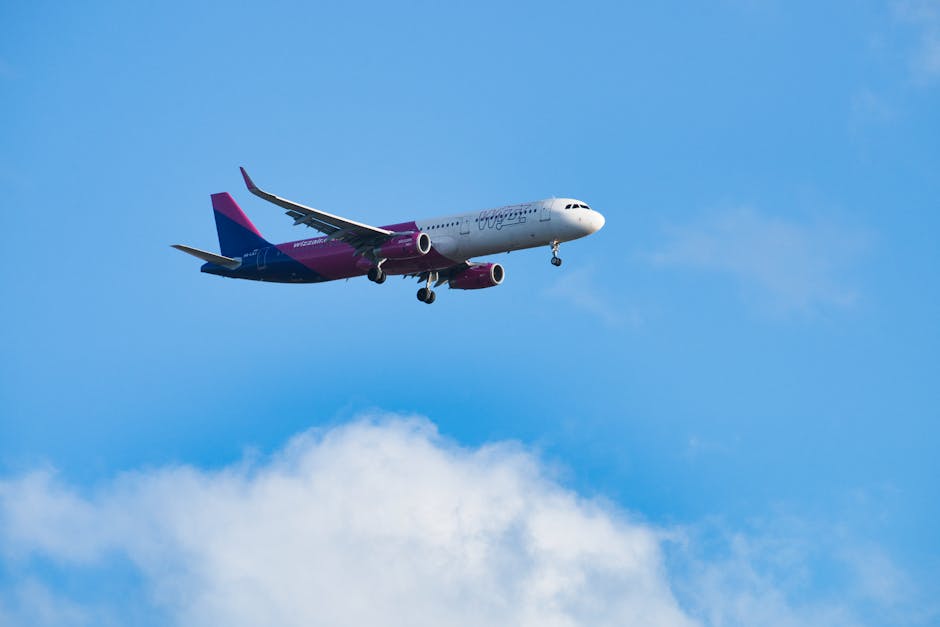
The pursuit of cheap flights to Greece often blinds travelers to the “ancillary creep” that occurs during the checkout process. Greek airports, many of which are now managed by Fraport, have seen increases in landing fees and service charges, which are passed directly to the consumer. When comparing fares, the most significant variable is almost always the baggage policy. Aegean’s “Light” fare, for instance, allows an 8kg carry-on, but their dimensions are strictly enforced at the gate. If your bag is deemed oversized, the gate fee can be as high as €50, which is often more than the original price of the ticket.
Another factor to consider is the cost of getting to and from the airport. Athens International Airport is 35km from the city center. The Metro costs €9, and the express bus is €5.50. However, in smaller island airports like Mykonos or Santorini, public buses are infrequent and often crowded. Taxis on these islands operate on a fixed-rate system during the summer, where a 10-minute ride can cost €30 or more. If you are choosing between two flights and one is €20 cheaper but arrives at a time when the local bus isn’t running, the more expensive flight is actually the better value.
Pro Tip: Always check the “Public Service Obligation” (PSO) routes. These are subsidized flights to smaller, remote islands like Milos, Kythira, or Ikaria. Because they are subsidized by the Greek government, the prices are often capped and remain stable even when other fares are skyrocketing. Sky Express and Olympic Air (an Aegean subsidiary) are the primary operators of these routes.
Finally, be aware of the “Island Hopping Tax.” There is no such thing as a free lunch in the Aegean. Many travelers try to save money by booking multiple one-way tickets between islands. However, Greek domestic flights are almost always priced as point-to-point via Athens. If you want to go from Santorini to Mykonos, you will likely have to fly back to Athens and then out again, unless you use a small regional carrier like Cycladic, which operates Cessna Caravans between the islands. These flights are convenient but rarely “cheap” in the traditional sense, often costing €150+ for a 20-minute jump.
Strategic Booking Tools and Routing Hacks for 2024

To find the absolute lowest prices for 2024 and 2025, you must employ a multi-layered search strategy. Standard search engines often fail to index the smaller Greek regional carriers correctly, or they may not show the combined cost of a “self-transfer” (booking two separate tickets on different airlines). Using tools like Google Flights in “Explore” mode allows you to leave the destination as “Greece” and see a map of the entire country with the lowest prices for your specific dates. This can reveal that flying into Thessaloniki and taking a train or bus south is significantly cheaper than flying directly into the capital.
One of the most effective “hacks” for travelers coming from North America or Asia is the “European Gateway” technique. Instead of searching for a flight from New York to Athens, search for the cheapest flight to a major European hub like London, Milan, or Rome. These cities are the primary bases for Ryanair and EasyJet, which offer dozens of daily flights to various Greek islands for as little as €30. By splitting your journey and perhaps spending a night in Milan, you can often reduce your total airfare by 40%. This approach requires a “buffer”—never book a self-transfer with less than four hours between flights, as the airlines are not obligated to rebook you if the first leg is delayed.
Lastly, pay attention to the booking window. For Greece, the “sweet spot” is typically 4 to 6 months in advance for international flights and 6 to 8 weeks in advance for domestic Greek flights. Aegean Airlines frequently runs “Flash Sales” in November (Black Friday) and January, offering up to 70% off domestic routes. Signing up for their Miles+Bonus newsletter is one of the few instances where marketing emails provide genuine financial value. By monitoring these cycles rather than booking on a whim, you can secure the infrastructure of your trip for a fraction of the standard retail price, leaving more of your budget for the actual experience of the Mediterranean.

Related Posts