
Cheap Zurich to London Flights: Pricing Analysis and Booking Strategies
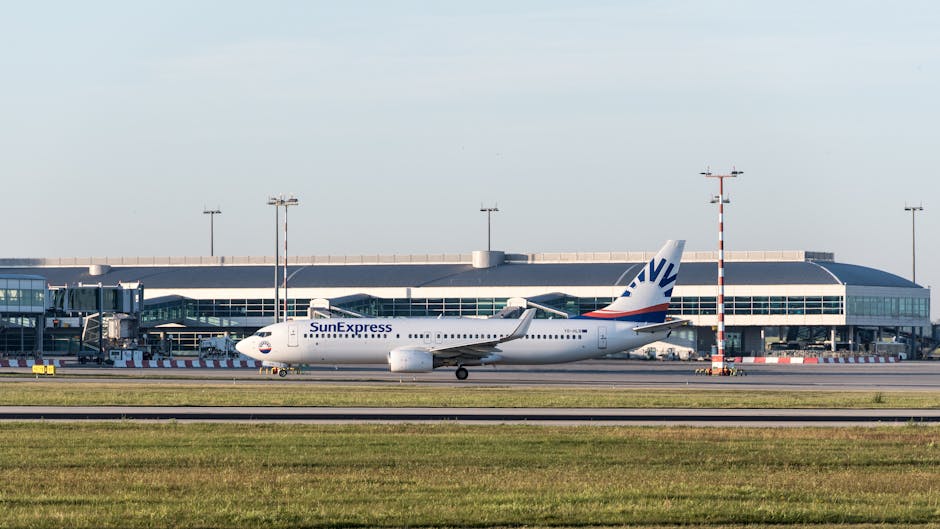
Navigating the aviation corridor between Zurich and London requires more than a simple search engine query; it demands an understanding of the complex interplay between corporate demand and hub-and-spoke logistics. Many travelers operate under the assumption that securing cheap flights from Zurich to London requires a compromise on comfort or a frantic search for low-cost carriers (LCCs) at the break of dawn. There is a persistent belief that the budget airlines operating out of neighboring Basel are the only path to a sub-100 CHF round trip. This is a fundamental misunderstanding of the Zurich-London aviation corridor. In reality, the high frequency of flights between these two financial hubs creates a unique competitive environment where flagship carriers often undercut budget rivals once the total cost of transit is calculated. If you are only looking at the base fare displayed on a search engine, you are likely missing the most economical choice. The efficiency of the route is driven by a constant stream of business traffic, which ironically provides budget-conscious leisure travelers with a surplus of seats during off-peak windows.
The Anatomy of the Zurich-London Air Bridge
The route between Zurich (ZRH) and London is one of the busiest international sectors in Europe. It serves as a vital link for the banking, insurance, and technology sectors. This high-density traffic means that airlines prioritize frequency over aircraft size, leading to a “shuttle” style service. For the traveler, this means that if one flight is expensive, there is often another one departing 60 minutes later that may be significantly cheaper. Understanding the “Air Bridge” means recognizing that you aren’t just buying a seat; you are participating in a highly optimized logistics network. Because the planes must return to their hubs to maintain the schedule, airlines are often desperate to fill seats on “reverse-commute” flights—such as a Tuesday morning flight from Zurich to London, which moves against the primary flow of consultants heading to Switzerland.
Direct Carrier Comparison: SWISS, British Airways, and the LCC Gap
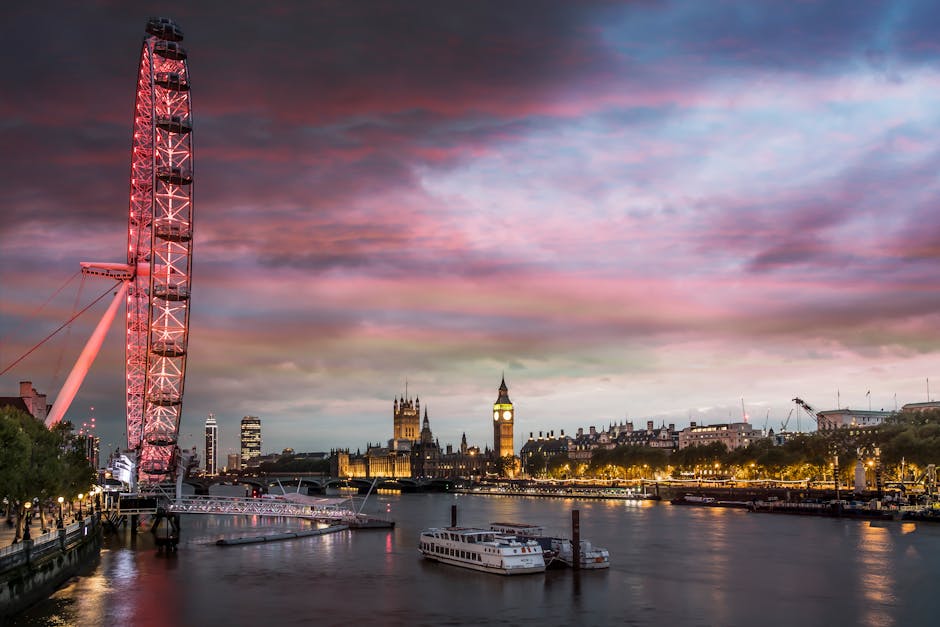
When analyzing the route from Zurich (ZRH) to London, the market is dominated by two primary legacy players: Swiss International Air Lines (SWISS) and British Airways (BA). These carriers operate like a high-frequency shuttle service, with flights departing almost every hour. Because of this volume, they frequently offer ‘Economy Light’ or ‘Basic’ fares that compete directly with the pricing models of EasyJet or Ryanair. However, the pricing structures differ in ways that can significantly impact your final bank statement. The competition is so fierce that these airlines often engage in “price matching” algorithms that react within minutes to a competitor’s price drop.
SWISS International Air Lines: The Efficiency Play
SWISS typically operates out of Terminal 1 at Zurich Airport and flies primarily into London Heathrow (LHR) and London City (LCY). Their fleet on this route frequently includes the Airbus A220-300 and the A320neo. The A220 is a favorite among savvy travelers due to its 2-3 seating configuration, meaning fewer middle seats and a more spacious cabin feel. Their ‘Economy Light’ fare is the baseline for budget seekers. This fare excludes checked baggage and seat selection but includes a small carry-on (up to 8kg) and the signature Swiss chocolate. Historically, a mid-week return flight on SWISS can be found for approximately 110 CHF to 150 CHF if booked six weeks in advance. The advantage of SWISS is the reliability of the schedule; they have a vested interest in maintaining these slots for business travelers, meaning cancellations are statistically less frequent than on budget-focused routes. Furthermore, SWISS provides complimentary water and a small snack, which, while minor, adds to the overall value compared to the “pay-for-everything” model of LCCs.
British Airways: The Network Giant
British Airways mirrors the SWISS strategy, often matching prices pound-for-pound on the Zurich to Heathrow route. BA’s ‘Basic’ fare is comparable to SWISS’s ‘Light’ offering. One distinct advantage of BA for the budget-conscious traveler is their frequent use of Terminal 5 at Heathrow, which offers some of the most efficient connections to central London via the Elizabeth Line. BA typically operates Airbus A319 and A320 aircraft on this route. While the seat pitch in ‘Euro Traveller’ (Economy) is a standard 29-30 inches, the airline’s generous overhead bin policy for ‘Basic’ fares—allowing both a cabin bag and a personal item—often exceeds the strict one-bag limits of budget competitors. If you find a BA flight for 120 CHF and a SWISS flight for 115 CHF, the BA flight might actually be cheaper if your final destination is closer to a BA-served terminal, saving you £10-£15 in local London transit costs.
The EasyJet Alternative: Basel vs. Zurich
EasyJet does not operate direct flights from Zurich Airport to London. Instead, they fly from EuroAirport Basel-Mulhouse-Freiburg (BSL) to London Gatwick (LGW) or London Luton (LTN). This is where the ‘cheap’ flight often becomes a logistical burden. A ticket from Basel to London might appear as a steal at 45 CHF. However, the train from Zurich HB to Basel SBB costs roughly 34 CHF (one way, without a Half-Fare travelcard), plus the bus transfer to the airport. When you add the 70-90 minutes of extra travel time each way, the 45 CHF flight effectively costs over 120 CHF and four hours of your life. The math rarely favors the Basel detour unless you already reside in the Aargau or Basel regions. Furthermore, EasyJet’s baggage policies are increasingly restrictive; their base fare now only includes a small under-seat bag, with large cabin bags requiring a significant upcharge that can often double the base ticket price.
Price Comparison Table: Average Round-Trip Costs (2024 Estimates)
| Airline | Route | Average Base Fare (CHF) | Incl. Carry-on? | Typical Total with 23kg Bag |
|---|---|---|---|---|
| SWISS | ZRH – LHR | 125 | Yes (8kg) | 195 |
| British Airways | ZRH – LHR | 120 | Yes (23kg total) | 185 |
| EasyJet | BSL – LGW | 60 | Small bag only | 140 |
| Vueling | ZRH – LGW | 95 | Small bag only | 165 |
| BA CityFlyer | ZRH – LCY | 160 | Yes (23kg total) | 220 |
Airport Logistics and the Hidden Cost of Arrival
London is served by six major airports, but for those flying from Zurich, you will primarily deal with Heathrow, London City, Gatwick, and occasionally Luton or Stansted. Choosing the wrong airport can negate any savings found on the flight ticket. The ‘Deep Researcher’ approach requires looking at the ‘Total Cost of Arrival,’ which includes the price of the flight plus the cost and time of getting from the runway to your hotel bed. This is where many travelers stumble, lured by a cheap fare to an airport that is 40 miles from the city center. It is helpful to visualize London not as a single destination, but as a collection of zones where the “cheapest” airport depends entirely on where your hotel is located.
London City (LCY): The Premium Efficiency Choice
London City Airport is the gold standard for Zurich-London travel. It is located in the Docklands, significantly closer to central London than any other airport. Flights to LCY are almost exclusively operated by SWISS (via Helvetic Airways) and BA CityFlyer using Embraer 190 or E190-E2 aircraft. These smaller jets offer a 2-2 configuration, meaning no middle seats ever. While the base fare for LCY is often 20-30% higher than Heathrow, the DLR (Docklands Light Railway) connection to the city costs less than £5. More importantly, you can clear security and be on the tarmac in 15 minutes. For a short weekend trip, the time saved is often worth the extra 40 CHF on the ticket price. If you value your time at more than 20 CHF an hour, LCY is the cheapest option. It is particularly effective if you are staying in Canary Wharf, Westminster, or the City of London.
Heathrow (LHR): The Balanced Middle Ground
Heathrow is the primary recipient of Zurich flights. With the opening of the Elizabeth Line, the cost-to-speed ratio of Heathrow has improved dramatically. You no longer need to choose between the expensive Heathrow Express (£25) and the slow Piccadilly Line (£5.60). The Elizabeth Line offers a middle path at approximately £13.30 to central London, reaching Paddington in 30 minutes and Liverpool Street in 45 minutes. When booking your flight, check which terminal your airline uses. SWISS typically uses Terminal 2 (The Queen’s Terminal), while BA uses Terminals 3 and 5. Terminal 5 is the most modern, but Terminal 2 is arguably the most efficient for quick exits. If you are arriving late at night, Heathrow is also the most reliable airport for bus and taxi connections, which can be a hidden saving compared to the expensive “late-night” surcharges at Gatwick or Stansted.
Gatwick, Luton, and Stansted: The Budget Outliers
Gatwick (LGW) is often served by Vueling or EasyJet (from Basel). The Gatwick Express is notoriously expensive, but the standard Southern or Thameslink trains are much more affordable if booked via contactless payment. A Thameslink ticket to Blackfriars or St. Pancras is roughly £13-£15. Luton and Stansted are rarely the best choice for Zurich-based travelers. The transit from these airports into London can take 60-90 minutes and cost up to £22 for the Stansted Express or £18 for the Luton Express (including the DART transfer). Unless the flight price is exceptionally low—think under 40 CHF—the logistical friction and the high cost of the “last mile” make these airports poor choices for a Zurich departure. Stansted, in particular, is located so far north that a taxi to central London can easily exceed £100, instantly vaporizing any flight savings.
Pro Tip: Always use a contactless card or Oyster card for London transit. Buying paper tickets for the Gatwick Express or Heathrow Express at the station is almost always the most expensive way to travel. Contactless payments automatically calculate the cheapest daily cap for your travel, ensuring you never pay more than the price of a Day Travelcard.
The Hidden Math of Baggage and Ancillary Fees

The “cheap” flight price is often a mirage created by unbundling services that were once standard. To truly compare flights from Zurich to London, you must apply a “Fully Loaded Cost” model. This includes the base fare, the cost of a carry-on bag, the cost of a checked bag (if needed), and the cost of airport transit. Many travelers are surprised to find that a 120 CHF SWISS flight is cheaper than a 75 CHF Vueling flight once a 20kg suitcase is added. Vueling and EasyJet use dynamic pricing for bags, meaning the price of your suitcase can increase as the plane fills up.
Baggage Fee Comparison (Standard 20-23kg Suitcase)
- SWISS/BA: Typically 35-45 CHF per segment if not included in the fare class.
- EasyJet: 25-60 CHF depending on the route and timing of the booking.
- Vueling: 30-55 CHF, with strict enforcement of dimensions (55x40x20 cm).
- Ryanair (from Memmingen/Basel): 25-50 CHF, plus a “Priority” fee if you want to bring a cabin bag larger than a backpack.
Buying Advice: If you know you will be traveling with more than a backpack, always book the fare class that includes a bag (e.g., SWISS ‘Economy Classic’ or BA ‘Plus’) rather than adding a bag to a ‘Light’ fare later. The bundled price is almost always 15-20% cheaper than the “add-on” price at checkout or at the airport counter.
Strategic Booking Windows and Seasonal Volatility
The Zurich to London route is heavily influenced by the corporate calendar. Unlike holiday routes to Mallorca or Ibiza, prices here spike during Tuesday-Thursday mornings and Sunday evenings when consultants and bankers are moving between the two cities. To find the cheapest flights, you must intentionally move against the grain of the business cycle. This requires a granular understanding of when airlines release their inventory and how they adjust prices based on real-time demand. The route is also subject to “directional pricing,” where a flight from Zurich to London might be cheaper than a flight from London to Zurich on the same day due to local currency fluctuations and market demand.
The 54-Day Rule and the Tuesday Myth
There is a popular myth that booking on a Tuesday at 3:00 PM yields the best prices. Modern research into historical pricing data suggests this is largely obsolete in the age of algorithmic pricing. Instead, the focus should be on the ‘booking lead time.’ For the Zurich-London corridor, the sweet spot is typically 45 to 60 days before departure. During this window, airlines have enough data to predict demand but are still looking to fill the base capacity of the aircraft. If you book more than six months out, you are often paying a ‘certainty premium.’ If you book less than 21 days out, you are competing with corporate travelers who have flexible expense accounts and are price-insensitive. For weekend trips, the “Goldilocks Zone” is exactly 8 weeks out.
Leveraging the ‘Reverse Route’ and Multi-City Tools
Sometimes, the cheapest way to get to London is not to book a simple return ticket. Because SWISS and BA are part of larger alliances (Star Alliance and Oneworld, respectively), you can sometimes find lower fares by booking a multi-city ticket. For example, flying Zurich to London City and returning from Heathrow to Zurich can sometimes trigger a lower fare class than a standard round trip to a single airport. Additionally, keep an eye on the ‘Swiss Air Rail’ options. Sometimes, booking a flight that ‘starts’ at a train station like Basel or Lugano (but actually departs from Zurich Airport) can be cheaper than booking the flight from Zurich alone due to how the airline prices different regional markets. This is known as “hidden city ticketing” in its legal form, provided you use the train segment as intended.
Loyalty Programs: Turning Flights into Future Savings
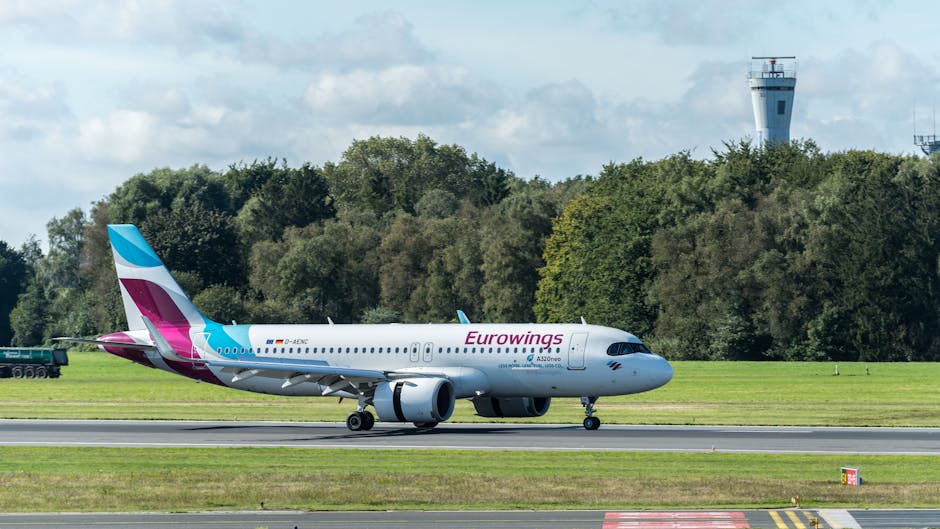
Even if you are a budget traveler, ignoring loyalty programs on the Zurich-London route is a mistake. SWISS is a member of Miles & More, while British Airways uses Avios. Because of the high frequency of these flights, even “Economy Light” fares often earn a small amount of miles. More importantly, these programs offer “Reward Flight Savers.” For example, a BA flight from Zurich to London can often be booked for 9,250 Avios plus a flat fee of around £17.50. If the cash price of a last-minute flight is 400 CHF, using miles provides an incredible “cents per mile” value. If you fly this route even twice a year, signing up for the respective frequent flyer program and using a co-branded credit card can effectively make every fourth or fifth flight “free” (excluding taxes).
Common Mistakes to Avoid When Booking
- Ignoring the “Swiss Air Rail” Hack: As mentioned, sometimes selecting “Basel SBB” as your departure point in the SWISS app—even if you board the plane in Zurich—can lower the total fare.
- Overlooking the Elizabeth Line: Many travelers still default to the expensive Heathrow Express. The Elizabeth Line is nearly as fast to Central London and costs half as much.
- Booking via Third-Party OTAs: While sites like Kiwi or Edreams might show a price 5 CHF lower than the airline, they often charge exorbitant fees for baggage or flight changes. For the Zurich-London route, always book directly with SWISS or BA to ensure you have control over your booking during delays.
- Forgetting the “London City” Advantage: People see a 160 CHF price for LCY and a 120 CHF price for LHR and choose LHR. Once you factor in the £15 extra for the Heathrow train and the 90 minutes of extra travel time, LCY was actually the better deal.
- The “Memmingen” Trap: Some ultra-budget seekers look at Ryanair from Memmingen (FMM) to London. Memmingen is nearly 2 hours from Zurich. By the time you pay for the bus to Germany, the flight is no longer a bargain.
Finding a cheap flight from Zurich to London is less about luck and more about calculating the total economic impact of your choices. By prioritizing London City or Heathrow, booking roughly eight weeks in advance, and avoiding the peak business commute hours (Monday mornings and Friday evenings), you can consistently secure fares that rival the budget carriers without the inconvenience of traveling to Basel. The data is clear: the flagship carriers own this route, and if you play by their

Related Posts