
Eco-Friendly Hostels Southeast Asia Under $25: Southeast Asia Eco-Hostels Under $25: 6 Beds That Don’t Wreck the Planet
You want a bed for under $25. You also don’t want to stay somewhere that burns plastic, wastes water, and treats locals like scenery. Fair ask. The problem: half the hostels calling themselves ‘eco’ in Southeast Asia just painted a leaf on the wall and called it a day.
I’ve stayed in enough of them to know the difference. This list only includes places with verifiable practices — solar panels, greywater systems, refill stations, local hiring, zero single-use plastic. Not vibes.
What Actually Makes a Hostel ‘Eco’ in 2026?
Greenwashing is rampant. A hostel with a recycling bin and a ‘save the turtles’ poster is not eco. Here’s what actually matters.
Energy and Water Systems
Look for solar water heating, not just solar panels for phone charging. A hostel that runs its hot showers on solar thermal saves 1-2 kWh per guest per day. That’s real. Greywater systems — where sink and shower water gets filtered and reused for gardens — cut water use by up to 40%. If a hostel can’t tell you where its water comes from or where it goes, it’s not eco.
Waste Infrastructure
Refill stations for drinking water are the baseline. If a hostel sells bottled water, it’s out. Composting food waste separates the serious operations from the lazy ones. Some places in Cambodia and Vietnam now partner with local pig farms or community compost hubs. Ask at check-in. A blank stare means they’re faking it.
Local Hiring and Ownership
An eco-hostel owned by a foreign investor who flies in twice a year and pays local staff minimum wage is not sustainable. The best places are locally owned or at least majority locally staffed at management level. The Yard Hostel in Bangkok, for example, employs over 80% Thai staff and sources breakfast ingredients from nearby markets. That’s the standard.
The 6 Hostels Worth Your Money
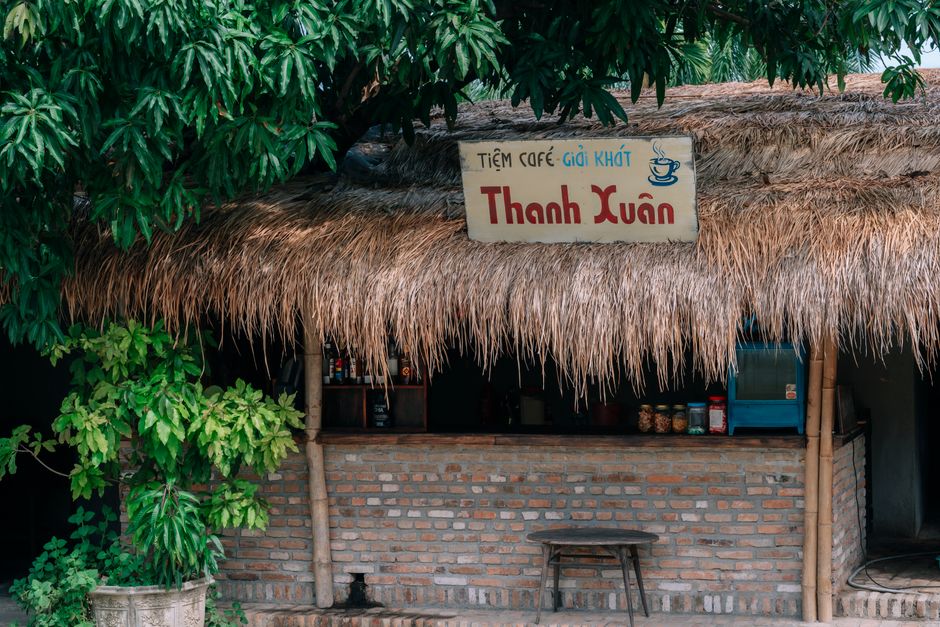
These are the ones I’d actually book again. Prices are 2026 dorm rates per night, including taxes where noted. All under $25.
| Hostel | Location | Dorm Price (USD/night) | Standout Eco Practice | Vibe |
|---|---|---|---|---|
| Lub d Cambodia Siem Reap | Siem Reap, Cambodia | $8–12 | Solar water heating, refill stations, no single-use plastic | Social, pool, near Angkor Wat |
| The Yard Hostel Bangkok | Bangkok, Thailand | $14–18 | Greywater garden, local hiring, zero plastic policy | Quiet garden, community feel |
| Kampot Monkey Republic | Kampot, Cambodia | $6–9 | Composting, river cleanup partnerships | Backpacker, riverside bar |
| Tiki Village Hoi An | Hoi An, Vietnam | $10–13 | Bamboo construction, organic garden, local staff only | Chill, family-run |
| Bambu Hostel Penang | George Town, Malaysia | $12–15 | Rainwater harvesting, solar panels, zero-waste kitchen | Artsy, quiet, heritage area |
| Greenhost Boutique Yogyakarta | Yogyakarta, Indonesia | $9–14 | Aquaponics, vertical gardens, community workshops | Edu-focused, calm |
Prices shift with season. Book 2–3 weeks ahead in high season (Nov–Feb) to lock these rates.
The Siem Reap Pick: Lub d Cambodia
If you’re doing Angkor Wat on a budget, stay here. Lub d has the best eco-to-price ratio in Cambodia right now. The Siem Reap location runs solar thermal for all showers — you’ll get hot water without the guilt. They’ve eliminated single-use plastic entirely. No water bottles, no plastic straws, no mini shampoo bottles. Refill stations on every floor.
The tradeoff: it’s a big hostel. 200+ beds. If you want intimate and quiet, this isn’t it. But for a social base with actual sustainability infrastructure, it’s the clear winner in Siem Reap. Dorms start at $8. Private rooms run $25–35, which breaks the budget, so stick to dorms.
Bangkok’s Greywater Garden: The Yard
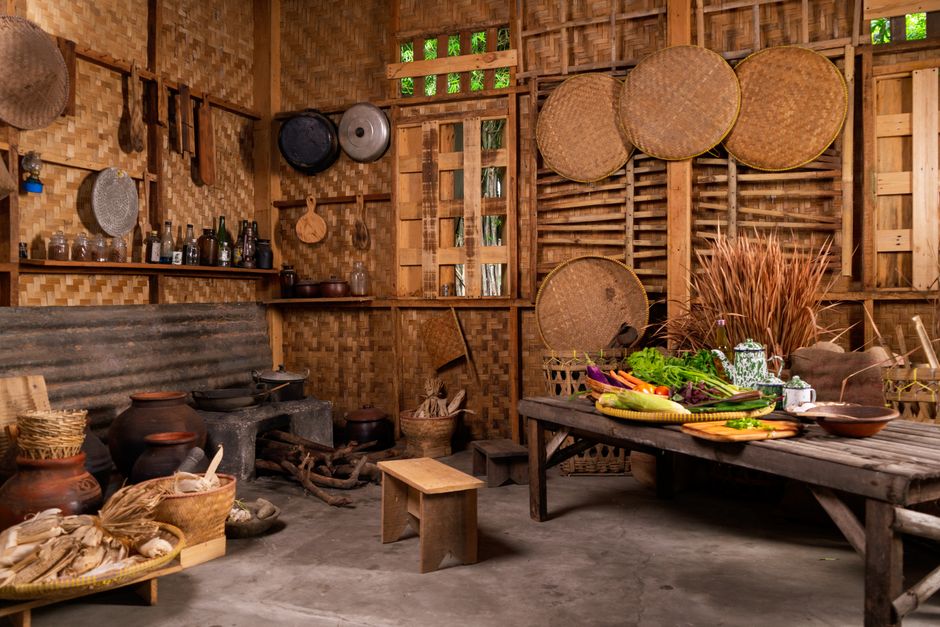
The Yard Hostel Bangkok is the best eco-hostel in Thailand. Period. Not because it’s the most luxurious — it isn’t. Because it’s the most honest. The owners built the place from shipping containers and reclaimed wood. The garden isn’t decoration; it’s the hostel’s greywater filtration system. Shower water feeds banana trees and herbs. You eat the basil from that system at breakfast.
Dorms are $14–18. Not the cheapest in Bangkok, but you’re paying for a functioning ecosystem, not a bed. It’s in Ari, a neighborhood with actual Thai life, not Khao San Road chaos. If you want to party, stay elsewhere. If you want to sleep well and not feel like a parasite, book The Yard.
When NOT to Book an Eco-Hostel
Some trips, the eco option is the wrong option. Know the difference.
- You’re on a 2-night city sprint. If you land in Bangkok at midnight and fly out in 36 hours, the carbon math of hunting down an eco-hostel across town doesn’t work. Stay near the airport. Save the eco-stay for when you’ll actually be there long enough to use the systems.
- You need reliable high-speed WiFi for work. Some eco-hostels in rural Cambodia and Vietnam run on solar with battery backup. That means throttled internet or no WiFi after heavy rain. If you’re a digital nomad, check reviews specifically for WiFi stability before booking.
- You have mobility constraints. Many bamboo-construction hostels — like Tiki Village in Hoi An — have steep stairs, uneven paths, and no elevators. Accessibility is not their strong suit. Don’t sacrifice your body for a green label.
- The ‘eco’ hostel charges a premium for nothing. If a place charges $5 more than a comparable non-eco hostel and can’t name one specific sustainability practice when you ask, it’s greenwashing. Walk away.
How to Verify a Hostel’s Eco Claims Before Booking
Don’t trust the ‘Eco-Friendly’ badge on Hostelworld. Anyone can tick that box. Do this instead.
Check the Photos for Refill Stations
Look at traveler photos, not the hostel’s marketing shots. Do you see a water refill station? Are there reusable cups in the kitchen? If every photo shows plastic water bottles on tables, the hostel isn’t serious. This takes 3 minutes and filters out 70% of fakes.
Read Reviews for the Word ‘Plastic’
Search reviews for ‘plastic,’ ‘refill,’ ‘compost,’ ‘solar.’ Real eco-hostels get mentioned for these things by travelers who didn’t even care about sustainability. If no review mentions any of it in 50+ reviews, the practices either don’t exist or are invisible. Both are problems.
Message the Hostel Directly
Send one message: ‘What are your top 3 sustainability practices?’ A real eco-hostel replies within a day with specifics — ‘solar thermal for hot water, greywater garden, zero single-use plastic since 2026.’ A fake one sends a generic ‘we love the environment!’ or ignores you. This one message tells you everything.
Final Verdict: Book These Two First
For most travelers, the choice comes down to two hostels. If you’re in Cambodia, book Lub d Cambodia Siem Reap — best infrastructure for the price, period. If you’re in Thailand, book The Yard Hostel Bangkok — the only hostel on this list where the eco practices are visible and functional, not just a marketing page. The others are solid backups, but these two are where I’d put my own money in 2026.

Related Posts