Thai Street Food Safety: The 5 Myths That Make Travelers Sick
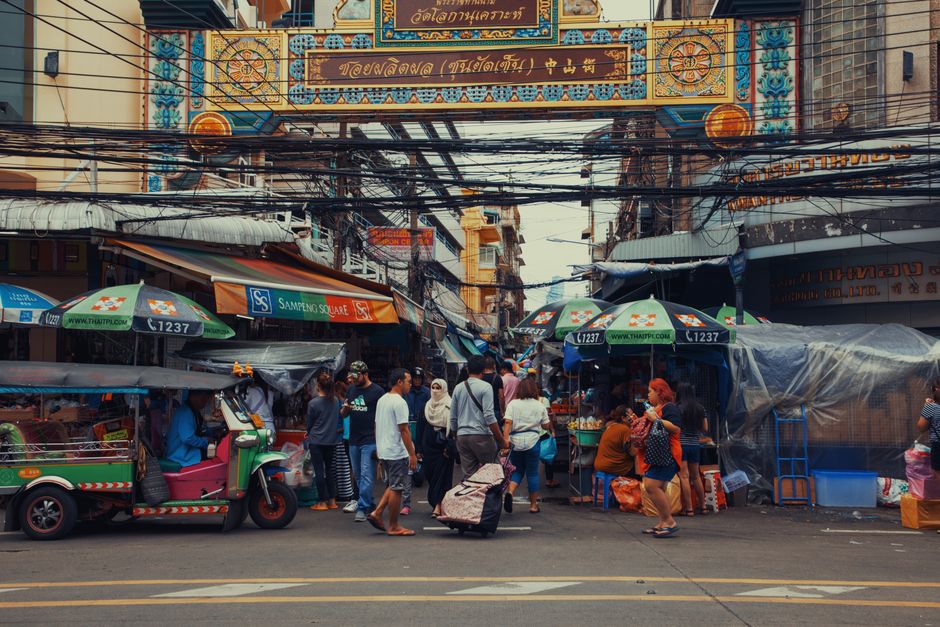
Roughly 30 million tourists visit Thailand each year, and a solid chunk of them will eat something from a cart within their first 24 hours. Most will be fine. A few will spend 48 hours in a bathroom wondering if the pad thai was worth it. I’ve eaten from Bangkok’s Sukhumvit Soi 38 carts and Chiang Mai’s night bazaar dozens of times without getting sick once. The difference isn’t luck. It’s knowing which food safety rules actually matter and which ones are tourist folklore.
The 4-Hour Rule That Separates Safe Carts From Dangerous Ones
Here’s the thing most travel blogs won’t tell you: street food in Thailand is generally safer than a salad bar at a mid-range hotel. The reason is turnover. A popular cart in Chiang Mai’s Sunday Walking Street might sell 200 plates of pad see ew in three hours. That means ingredients are constantly being used and replenished. Nothing sits long enough to grow bacteria. A hotel buffet, by comparison, might have shrimp sitting at lukewarm temperature for six hours.
The critical number is four. Cooked food left between 40°F and 140°F for more than four hours enters the danger zone where bacteria multiply fast. When you approach a cart, look at how quickly food is moving. Are there locals queued up? Is the vendor actively cooking, or reheating something that’s been sitting in a metal tray since noon?
At Or Tor Kor Market in Bangkok, the best stalls have a rhythm: cook, serve, repeat. You’ll see woks blazing continuously. The worst stalls have pre-cooked dishes stacked in glass cases with no heat source. Avoid those. Pre-cooked food sitting at ambient tropical temperature is the single biggest street food risk you’ll face.
What a Safe Cart Looks Like
- High turnover: At least 5-10 customers in the last 15 minutes
- Active cooking: Wok flames, bubbling broth, or a hot grill
- Visible ice: For drinks, ice should come from a commercial ice factory (it’s safe in Thailand) and be handled with tongs, not bare hands
- Local crowd: Thai customers, especially families and office workers, signal trust
One thing that surprised me: ice in Thailand is almost always safe. Commercial ice factories are regulated and use filtered water. The bigger risk is the cup or glass, especially if it’s been washed in a bucket of questionable water. I stick to vendors who use disposable cups or straws.
Why That Bottled Water Habit Isn’t Saving You
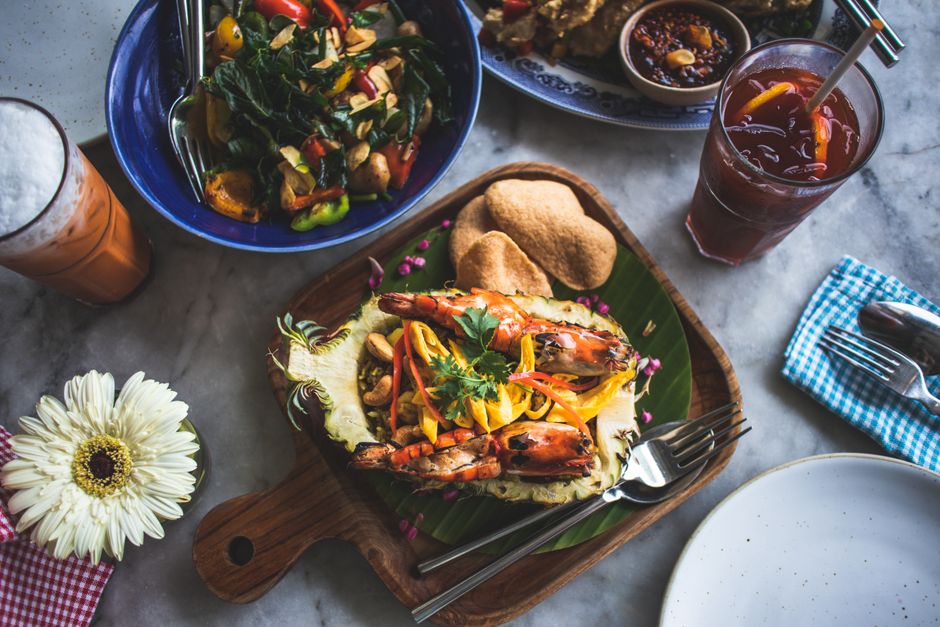
You already know not to drink tap water in Thailand. But the real risk isn’t the water you drink — it’s the water you don’t think about. That fruit smoothie at the beach? The vendor might be blending with tap water. The freshly cut mango on ice? It might have been washed in tap water. The noodles you just ate? The plate might have been rinsed in a bucket that’s been reused all day.
Here’s my rule: if I can’t see the water source, I don’t order it. For smoothies and fresh juices, I watch the vendor. If they pour from a sealed bottle, I’m in. If they scoop from an unlabeled container, I skip it. The same goes for fruit. Pre-cut fruit sitting on a cart without ice is a no. Whole fruit I peel myself is always fine.
At Chatuchak Weekend Market in Bangkok, I saw a vendor washing dishes in a plastic tub that looked like it hadn’t been changed since morning. The pad thai was probably delicious. The plate it came on was the problem. This is why I carry a small pack of antibacterial wipes and wipe down utensils when I’m unsure.
5 Myths About Thai Street Food That Need to Die
| Myth | Reality | What to Do Instead |
|---|---|---|
| “Spicy food kills bacteria” | Chili does not kill salmonella or E. coli. It might mask off flavors. | Judge freshness by turnover, not spice level |
| “Only eat at restaurants” | Restaurants have the same ingredient sourcing and sometimes worse holding practices | Judge each vendor individually |
| “Avoid all raw vegetables” | Some raw vegetables are fine if washed in purified water; many aren’t | Ask or watch how they’re prepared |
| “Charcoal-grilled meat is always safe” | Grilling kills surface bacteria but not toxins already produced | Check if meat was refrigerated before cooking |
| “If locals eat there, it’s safe” | Locals have built up immunity to certain local bacteria strains you haven’t | Look for busy carts but still check hygiene basics |
The charcoal myth is one I learned about the hard way. Grilled chicken skewers are everywhere in Thailand, and they’re usually delicious. But if the raw chicken sat in a cooler without ice for hours before hitting the grill, the heat kills the bacteria but not the toxins those bacteria already produced. You’ll still get sick. The tell is whether the vendor keeps raw meat in an actual cooler with ice or just a plastic bag on the counter.
What to Actually Eat: My Personal Hit List
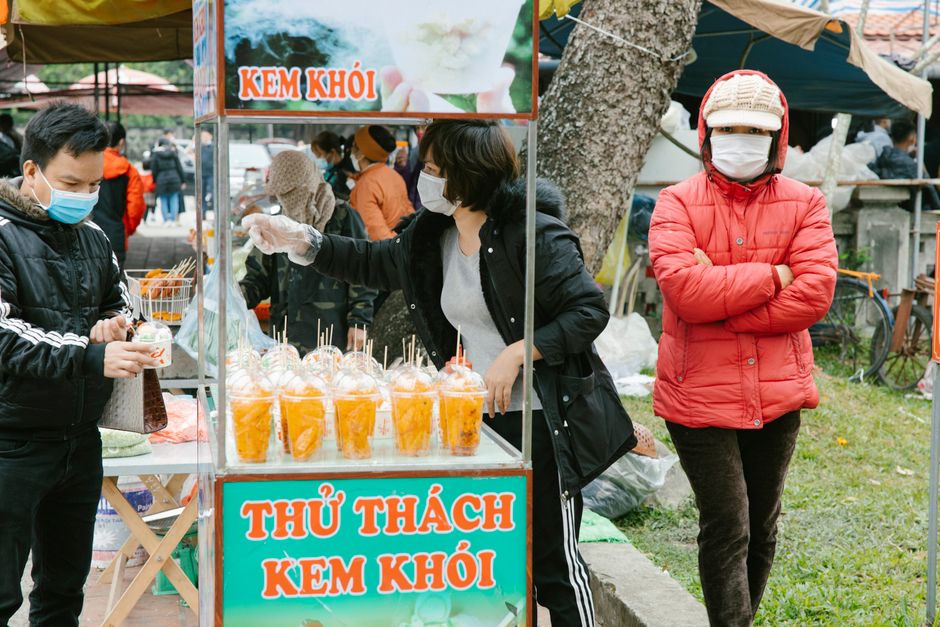
You want a clear answer. Here it is. The safest street foods in Thailand are the ones cooked to order at high heat right in front of you.
Pad thai from a cart with a screaming-hot wok. The noodles go in, the egg goes in, the sauce goes in, and 90 seconds later it’s on your plate. The heat is continuous and intense. Look for carts where the wok never stops. At Thipsamai in Bangkok (yes, it’s famous, but the original location still delivers), the woks are so hot the cooks wear arm guards. That’s what you want.
Khao man gai (chicken rice) is another safe bet, but only from busy stalls. The chicken is poached, which means it reached 165°F internally. The risk comes if it sits out after cooking. The famous Go-Ang Pratunam in Bangkok goes through hundreds of birds a day. Nothing sits. A quieter stall with the same dish is riskier.
Mango sticky rice is almost always safe. The rice is cooked, the mango is peeled to order, and the coconut milk is boiled. The only risk is if the vendor uses unpurified water to wash the mango. Watch for that.
What I avoid: raw shrimp in som tam (papaya salad), unless I know the stall’s reputation. Raw crab salad is a hard no for me. Pre-cooked curries sitting in unheated trays are also on my avoid list.
The Ice Question, Answered Once and for All
Thailand’s ice is safe. I’ll say it again because this myth refuses to die. Commercial ice in Thailand comes from factories regulated by the Thai FDA. The ice you get in your Thai iced tea or your Singha beer is almost certainly safe. The ice itself is not your problem.
Your problem is everything else. The glass. The straw. The vendor’s hands. If the vendor scoops ice with a bare hand that just handled raw meat, that’s contamination. If the glass was washed in dirty water, that’s contamination. So order your iced coffee, but watch how the ice gets from the cooler to your cup. Tongs or a scoop are what you want to see.
One more thing: those big blocks of ice you see being dragged across the street? That’s for industrial cooling, not for your drink. The ice for consumption comes in sealed bags or from a clean cooler. If a vendor is chipping ice off a block that’s been on the ground, skip it.
How to Pick a Market: Chiang Mai vs. Bangkok vs. the Islands
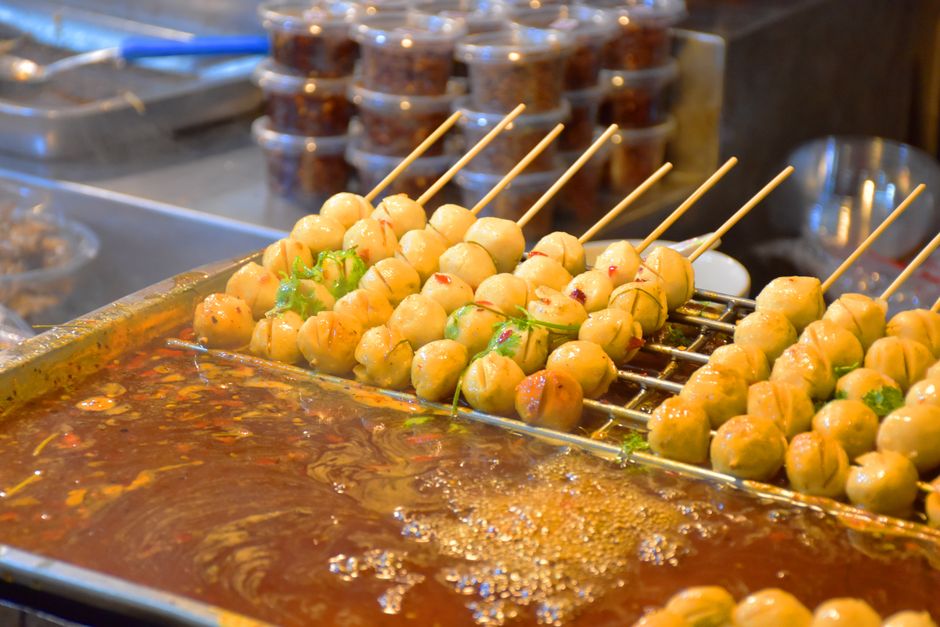
Not all Thai markets are equal when it comes to food safety. Bangkok’s street food scene is heavily scrutinized — the city government has tried to regulate it for years, and the best stalls are well-established. Chiang Mai’s markets are smaller but generally excellent, especially the Sunday Walking Street and the Warorot Market area. The islands are where I’m most cautious.
On Koh Phi Phi or Koh Samui, the supply chain is longer. Fresh ingredients arrive by boat. Refrigeration is less reliable. The turnover might be lower in the shoulder season. That doesn’t mean island street food is dangerous — it means you need to be more selective. Look for the busiest carts, ideally ones where you see the vendor’s family eating the same food.
In Chiang Mai, I always hit the street food area near Chiang Mai Gate. The khao kha moo (braised pork leg) there is legendary, and the stall has been operating for decades. The pork is braised for hours, which means it’s thoroughly cooked, and the turnover is so high that nothing sits. That’s the model of a safe street food operation.
The One Thing That Matters More Than Anything Else
You’ve read a lot of advice here. Boil it down to this: watch the vendor’s hands. That’s it. If the person cooking your food touches raw meat and then touches your plate without washing, that’s a risk. If they handle money and then handle your noodles, that’s a risk. The best street food vendors in Thailand are obsessive about this. They use tongs for everything. They have a hand-washing station. They treat their cart like a professional kitchen.
So go eat the street food. That’s the whole point of going to Thailand. The flavors at a Bangkok street cart will ruin you for Thai restaurants back home. Just be smart about it. Watch the hands, check the turnover, and skip anything that’s been sitting too long. Do that, and you’ll come home with stories about the best pad thai of your life — not stories about your hotel bathroom.

Related Posts