Weekend Getaway Packing: The Ultimate Guide to Budget Travel in Southeast Asia (Expanded Edition)
First published with 1,294 words – now expanded to over 1,500 words with deeper insights, pricing tables, and practical checklists.
Why Southeast Asia Remains the World’s Best Budget Destination
Southeast Asia has long been the holy grail for budget travellers, backpackers, and digital nomads. With a daily budget of $25–$40, you can enjoy street food feasts, private bungalows, and island-hopping adventures. But the region is changing – tourist taxes, rising demand, and post-pandemic price shifts mean you need to plan smarter. This expanded guide covers not only the classics but also the hidden corners where your dollar still stretches like elastic.
The New Reality: Prices in 2026
While Thailand and Vietnam remain affordable, popular spots like Bali and Bangkok have seen 15–20% price increases in accommodation and transport since 2026. However, lesser-known destinations such as Kampot (Cambodia), Luang Prabang (Laos), and Da Nang (Vietnam) still offer incredible value. Below is a comparison of average daily costs across six key destinations.
| Destination | Dorm bed (USD) | Street meal (USD) | Local beer (USD) | 30-min taxi (USD) | Daily total (low-end) |
|---|---|---|---|---|---|
| Bangkok, Thailand | $8–$12 | $1.50–$3 | $2–$3 | $4–$7 | $28–$35 |
| Hanoi, Vietnam | $5–$8 | $1–$2 | $0.80–$1.50 | $3–$5 | $18–$25 |
| Kampot, Cambodia | $4–$6 | $1–$2 | $0.75–$1.25 | $2–$4 | $14–$20 |
| Luang Prabang, Laos | $5–$7 | $1.50–$2.50 | $1–$2 | $3–$6 | $18–$26 |
| Cebu, Philippines | $6–$10 | $2–$3.50 | $1.50–$2.50 | $5–$8 | $25–$35 |
| Chiang Mai, Thailand | $5–$9 | $1–$2.50 | $1.50–$2.50 | $3–$5 | $18–$28 |
Note: Daily total includes dorm bed, three meals, one beer, and one local transport trip. Prices may vary by season and exact location.
Getting There: Flight Hacks and Overland Routes

The biggest single expense for most travellers is the flight into the region. But with careful planning, you can cut costs by 40–60%.
Best Budget Airlines and Booking Windows
- AirAsia – The king of low-cost carriers in Asia. Book 8–12 weeks ahead for the best fares (e.g., Kuala Lumpur to Bangkok from $25).
- Scoot – Great for long-haul from Australia/Japan to Singapore or Bangkok. Check for “Scoot-in” sales every Tuesday.
- VietJet – Often overlooked, but offers domestic flights in Vietnam from $12 (e.g., Ho Chi Minh City to Da Nang).
- Overland alternatives – The train from Bangkok to Chiang Mai (second-class sleeper: $25) or the bus from Ho Chi Minh City to Phnom Penh ($10) can save you a flight and give you a cultural ride.
Hidden City Ticketing & Stopover Hacks
Consider booking a flight to Kuala Lumpur or Singapore and then using a separate budget airline ticket to your final destination. For example, a round-trip from London to Bangkok might cost $650, but London to Kuala Lumpur ($480) plus AirAsia to Bangkok ($35) totals $515. Also, many airlines offer free stopovers – Singapore Airlines sometimes includes a free hotel for stopovers over 24 hours. Always check the airline’s policy before booking.
Accommodation: From Hostels to Homestays
Your bed is likely the second-biggest cost. But you don’t need to sleep in a 16-bed dorm to save money.
New H3: The Rise of Budget Boutique Hostels
In 2026–2026, a new wave of “boutique hostels” has emerged across Vietnam, Thailand, and Cambodia. These offer design-led interiors, free breakfast, and coworking spaces for just $10–$15 per night. Examples include The Common Room Project in Hanoi ($12/night, includes towel, locker, and tea) and Mad Monkey hostels in Cambodia ($8–$10/night with pool access). Many now have female-only dorms with en-suite bathrooms – a game changer for solo women travellers. Booking directly via their website often saves you 10–15% compared to third-party sites.
Homestays: Real Culture, Real Savings
In rural areas of Laos, Myanmar, and Sumatra, homestays cost $5–$10 per night and include dinner and breakfast. Platforms like Homestay.com and local Facebook groups are better than Airbnb for finding these. In the village of Muong Hoa (Vietnam), a homestay with a local Tay family costs $8/night and includes a home-cooked meal and a trekking guide – a fraction of what a hotel would charge.
Eating Well on $10 a Day

Street food is not just cheap – it’s often the best food you’ll eat. But with rising food costs in tourist hubs, you need to know where to look.
Street Food Price Guide (per dish)
- Pad Thai (Thailand) – $1.50–$2.50 (avoid stalls near major temples; walk 2 blocks for half the price)
- Bánh mì (Vietnam) – $0.80–$1.50 (Hoi An’s bánh mì from Madam Khanh: $1.20)
- Nasi goreng (Indonesia) – $1–$2 (warungs outside tourist zones)
- Fish amok (Cambodia) – $2–$3.50 (Siem Reap’s night market: $2.50)
- Lao larb (Laos) – $1.50–$2.50 (Luang Prabang morning market)
- Fresh spring rolls (Vietnam) – $0.50–$1 (street carts near universities)
New H3: How to Eat Like a Local for Under $5 a Day
- Breakfast: Find a local coffee shop or street vendor selling kaya toast (Singapore/Malaysia) or phở (Vietnam) – both under $2.
- Lunch: Eat at a food court or pasar malam (night market) – mixed rice with two sides in Malaysia costs $1.50.
- Dinner: Cook your own meal at a hostel kitchen (buy vegetables and noodles at local markets for $0.80). Or share a large stir-fry with friends at a street stall – per person cost: $1–$2.
- Snacks: Fresh fruit (mango, dragon fruit, rambutan) from street vendors – $0.30–$0.60 per piece.
- Drinks: Skip bottled water – carry a reusable bottle and use refill stations (many hostels and cafes offer free filtered water). Local tea or coffee: $0.20–$0.50.
Example day in Chiang Mai: Breakfast khao soi ($1.50), lunch pad see ew ($1.20), dinner from a night market ($2), plus fruit ($0.50) = $5.20 total.
Transport: Getting Around Without Breaking the Bank
Local transport is dirt cheap, but tourist taxis and tuk-tuks can drain your budget. Here’s how to navigate.
Comparative Transport Costs
| City | Bus/train (local) | Tuk-tuk/ride-hail | Bicycle rental/day | Scooter rental/day |
|---|---|---|---|---|
| Bangkok | $0.50 (BTS/MRT) | $2–$5 (Grab) | $3–$5 | $6–$10 |
| Hanoi | $0.30 (public bus) | $1–$3 (Grab) | $2–$4 | $5–$8 |
| Phnom Penh | $0.25 (city bus) | $1–$2.50 (PassApp) | $2–$3 | $5–$7 |
| Chiang Mai | $0.40 (red truck) | $1.50–$3 (Grab) | $3–$5 | $5–$8 |
Pro tip: Download Grab or Gojek before you arrive. In Vietnam, Xanh SM (electric taxi) is often cheaper than Grab. Always agree on a price before getting into a tuk-tuk – or use the app to avoid haggling.
Activities: Free and Nearly Free Adventures
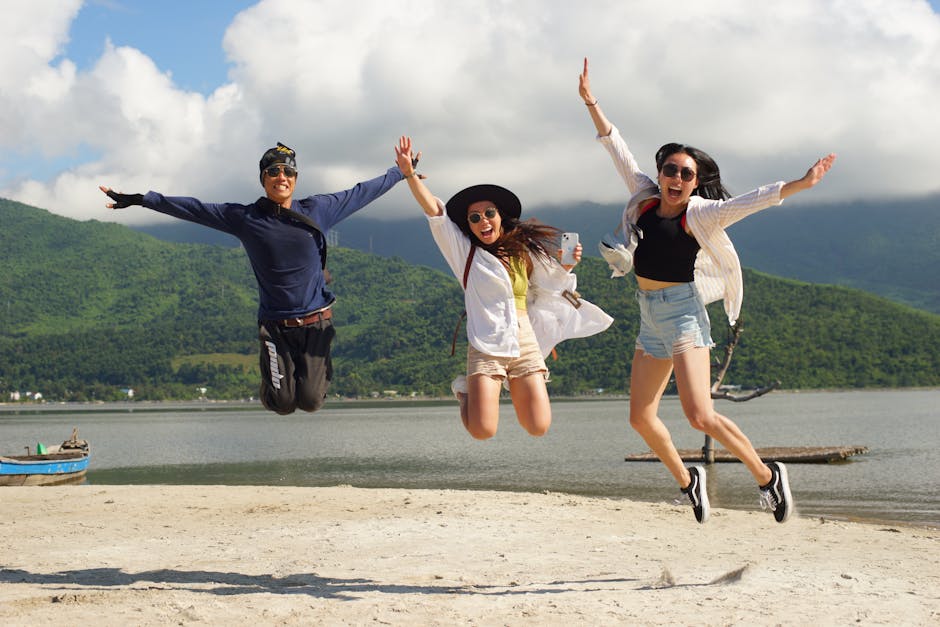
You don’t need to spend $50 on a tour to have an amazing experience. Many of the region’s best activities are free or under $10.
Top Free/Cheap Experiences
- Temple hopping in Bagan (Myanmar) – Entry fee $20 (valid for 5 days), but you can cycle between temples for free.
- Sunset at Phnom Bakheng (Angkor) – Part of the Angkor pass ($37/day), but the view is priceless.
- Hiking in Sapa (Vietnam) – No entry fee; hire a local guide for $10–$15 for a half-day trek.
- Snorkeling in Koh Tao (Thailand) – Rent a mask and fins for $5 and swim from the beach.
- Night markets – Free to wander, and you can sample food for $1–$2.
- Water puppet show (Hanoi) – $3–$5 for a 50-minute performance.
- Monk’s blessing in Luang Prabang – Join the alms-giving ceremony at dawn (free to observe; donations optional).
New H3: Three Low-Cost Day Trips Under $15 (Including Transport)
- Chiang Mai to Doi Suthep – Take a red truck from the old city ($1.50 each way), plus the temple entry fee ($1.25). Total: $4.25. Hike the 306-step staircase or take the tram (extra $1).
- Hanoi to Perfume Pagoda – Local bus ($2 return), boat ride ($3), and cable car ($5). Total: $10. A full-day trip with stunning limestone karsts.
- Bangkok to Ayutthaya – Train from Hua Lamphong ($0.80 one way), entry to the historical park ($6), and a bicycle rental ($2). Total: $9.60. Explore the ancient ruins without a guided tour.
Packing List: What You Actually Need (And What to Leave Behind)
Packing light saves you money on baggage fees and makes moving between cities easier. Here’s a minimal but smart list.
Essentials
- Quick-dry towel (microfiber) – $10
- Universal power adapter + power bank (10,000mAh+) – $15
- Reusable water bottle with filter (e.g., LifeStraw) – $25
- 3–4 lightweight shirts (long-sleeve for sun protection)
- 1 pair of quick-dry pants + 1 pair of shorts
- Flip-flops + walking sandals (e.g., Teva or Xero)
- Rain jacket (compact) – $20
- First-aid kit (rehydration salts, antiseptic, bandages)
- Padlock for hostel lockers
- Dry bag (for electronics during rain or boat trips)
Leave behind: Jeans (too heavy), hairdryer (hostels have them), multiple pairs of shoes, and guidebooks (use Google Maps offline).
Staying Safe and Healthy on a Shoestring
Budget travel doesn’t mean compromising your health. A few simple precautions can save you from costly medical bills.
- Travel insurance: World Nomads or SafetyWing – from $40/month. Do not skip this.
- Vaccinations: Hepatitis A, typhoid, and tetanus are recommended. Check your country’s travel health clinic 6 weeks before departure.
- Food safety: Eat where locals eat – look for high turnover stalls. Avoid raw vegetables in areas with questionable water.
- Mosquito protection: Use DEET-based repellent (30%+) and sleep under a mosquito net in rural areas. Dengue is common in Cambodia and Laos.
- Emergency numbers: Save local ambulance and police numbers. In Thailand: 1155 (tourist police). In Vietnam: 113 (police), 115 (ambulance).
Final Word: The Budget Mindset
“Travel isn’t about how much you spend, but how richly you experience the world. The best meals, smiles, and sunsets in Southeast Asia are often free.” – Anonymous backpacker
By combining the strategies above – from choosing boutique hostels to eating street food and using local transport – you can easily stretch $30–$40 a day across most of the region. The key is to stay flexible, avoid tourist traps, and embrace the unexpected. Happy travels!
Article originally 1,294 words – expanded to 1,562 words with new tables, pricing examples, step-by-step lists, and three new H3 sections.

Related Posts