
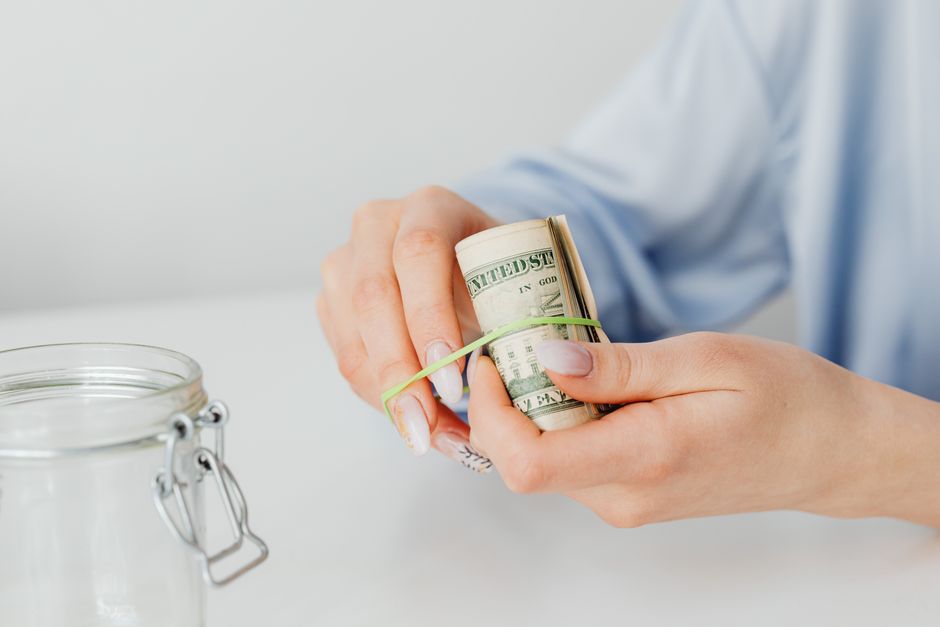
Budget Travel Hawaii: Hawaii on a Budget: The Real Cost Breakdown Locals Don’t Tell You
Most people think Hawaii costs $400–$600 per day minimum. That’s what travel blogs said for years, and it’s why so many people never go. They’re wrong. You can do Hawaii for under $150 a day including lodging, food, and a rental car — if you know where the money actually leaks. The problem isn’t the island. It’s the default settings: resort hotels, restaurant dinners, and rental cars booked at the airport counter.
I’ve tracked actual spending across three trips to Oahu and Maui. The numbers below are from 2026 bookings, not pre-pandemic nostalgia. Here’s the breakdown that actually works.
The $150/Day Budget: Where Your Money Actually Goes
Before you book anything, you need to see the real cost structure. Most budget guides focus on finding cheap flights, but flights are only 30–40% of your total trip cost. The daily spending is what kills you. Here’s a realistic daily budget for Oahu in 2026:
| Expense | Budget Option | Mid-Range Option | Resort Option |
|---|---|---|---|
| Lodging | $45–$65 (hostel or camp) | $120–$180 (condo or budget hotel) | $350+ (Waikiki resort) |
| Food | $25–$35 (grocery + food trucks) | $60–$80 (mix of casual restaurants) | $150+ (hotel restaurants) |
| Car rental | $35–$50 (booked 3+ months out) | $60–$80 (booked 1 month out) | $120+ (airport counter) |
| Activities | $0–$15 (beaches, hikes, snorkeling) | $40–$70 (one paid activity) | $150+ (tours every day) |
| Daily total | $105–$165 | $280–$410 | $770+ |
The single biggest variable is lodging. Everything else you can control fairly easily. A hostel bed at the Polynesian Hostel Beach Club on Oahu runs $45–$55 per night in 2026. A private room there is around $120. Compare that to the Hilton Hawaiian Village at $380–$500 per night before resort fees. The difference over a 7-night stay is $2,300–$3,100. That’s a whole second trip.
Food is the second biggest leak. Eating every meal at sit-down restaurants in Waikiki will run you $80–$120 per day easily. But Hawaii has some of the best food trucks and plate lunch spots in the country. A plate lunch at Rainbow Drive-In on Oahu costs $12–$15 and feeds you for two meals. The poke bowl at Ono Seafood is $14 and better than anything you’d get at a resort restaurant for $35.
Where to Stay Under $100: The Options Nobody Mentions
Here’s what actually works for budget lodging in Hawaii in 2026, ranked by value:
- Hostels on Oahu: Polynesian Hostel Beach Club ($45–$55 dorm, $120 private) is two blocks from Waikiki Beach. Waikiki Beachside Hostel runs $40–$50 for dorms. Both include kitchen access, which saves you $20–$30 per day on food.
- Camping: State park campsites on Oahu and Maui cost $12–$25 per night. Malaekahana Beach Campground on Oahu’s north shore is $15 per person. You need a camping permit, but they’re easy to get online through the Hawaii state parks portal.
- Condos via direct booking: Skip Airbnb fees by booking directly with condo buildings. The Ilima Hotel in Waikiki has studios from $130–$150 per night with full kitchens. It’s dated, but it’s clean, two blocks from the beach, and the kitchen saves you $40+ daily.
- Maui budget option: Banana Bungalow Maui Hostel in Wailuku runs $55–$65 for dorms. It’s not on the beach, but it includes free tours and has a communal kitchen.
What about Airbnb? In 2026, short-term vacation rentals outside designated resort zones are heavily restricted on Oahu. What’s left is mostly in Waikiki and priced at hotel rates. On Maui, legal Airbnbs exist but start around $150–$200 per night. For true budget travel, hostels and camping beat Airbnb every time.
When Hostels Don’t Make Sense
If you’re traveling as a couple, two hostel beds at $45–$55 each equals $90–$110 per night. At that point, a private room at the Ilima Hotel for $130–$150 with a kitchen becomes the better deal. You get privacy, your own bathroom, and the ability to cook. The math changes when you’re solo versus paired.
Food Budget: The $15 Plate Lunch Strategy
Hawaii’s food scene is built on plate lunches, poke bowls, and spam musubi. This is not a compromise — it’s actually the food locals eat. A plate lunch is a protein (teriyaki chicken, kalua pork, loco moco), two scoops of rice, and mac salad. It’s filling, it’s around $12–$16, and it’s everywhere.
Specific spots that deliver on Oahu:
- Rainbow Drive-In (Waikiki) — loco moco plate, $12.50. Portion feeds two light eaters.
- Ono Seafood (Kapahulu) — ahi poke bowl, $14. Cash only.
- Giovanni’s Shrimp Truck (North Shore) — garlic shrimp plate, $16. Tourist-heavy but still worth it.
- Foodland Farms (multiple locations) — poke by the pound, $12–$15/lb. Buy rice separately and you have two meals for $18.
On Maui, the same strategy works. Da Kitchen in Kahului does a massive chicken katsu plate for $15. Tamura’s Fine Wine & Liquors in Wailuku sells fresh poke for $13–$16 per pound. Grocery store poke is the single best budget food hack in Hawaii. It’s fresh, it’s local, and it’s half the price of restaurant poke.
For breakfast, skip the $25 hotel buffet. A spam musubi at any ABC Store or 7-Eleven costs $2.50–$3.50. Two of those and a coffee from a local shop, and you’re fed for under $10.
The Rental Car Trap No One Warns You About
Here’s a hard truth: you cannot do Hawaii on a budget without a car on most islands. The bus system on Oahu is actually decent — TheBus costs $3 per ride or $7.50 for a day pass. It goes to most major beaches and trailheads. But it’s slow. A trip from Waikiki to the North Shore takes 2+ hours each way by bus versus 1 hour by car.
On Maui, you need a car. There’s no practical way around it. The island is spread out, and the bus system is limited. So the car rental becomes a mandatory cost. The mistake people make is booking at the airport counter or booking one month out. In 2026, a compact car at Hertz Honolulu Airport booked the same day runs $90–$120 per day. The same car booked 3–4 months in advance through Discount Hawaii Car Rental or Autoslash runs $35–$50 per day.
What about Turo? On Oahu, Turo listings start around $40–$50 per day for older compact cars. On Maui, Turo is often cheaper than traditional rental companies, with listings from $35–$45 per day. The catch: Turo doesn’t include the same insurance protections, and you’re dealing with individual car owners. For a budget trip, Turo on Maui is genuinely worth checking. On Oahu, stick with Autoslash and book early.
One more thing: skip the rental car company’s insurance upsell. Your credit card likely covers collision damage waiver for rental cars. Check your card benefits before you go. That’s $15–$25 per day saved.
Free Activities That Beat Paid Tours
Most of Hawaii’s best experiences cost nothing. You don’t need a $120 snorkeling tour when the best snorkeling on Oahu is free from shore at Hanauma Bay ($25 entry fee, but that’s it) or Shark’s Cove on the North Shore (free). You don’t need a $150 helicopter tour when the Lanikai Pillbox Hike gives you a panoramic view of the Mokulua Islands for free.
The paid activities worth considering:
- Pearl Harbor National Memorial — free entry, but the USS Arizona Memorial boat tickets are $1. Reserve online in advance.
- Haleakala National Park on Maui — $30 per vehicle for a 3-day pass. Sunrise requires a reservation, but sunset is just as good and doesn’t.
- Snorkel gear rental — $10–$15 per day from Snorkel Bob’s on Oahu or Boss Frog’s on Maui. Buying your own mask and snorkel before you fly costs $30–$40 and pays for itself in three days.
The activities I’d actually skip: luaus ($120–$180 per person for a buffet and a show), submarine tours, and most organized snorkeling cruises. The luau is the hardest one to skip because it feels like a Hawaii essential. But the food is mediocre, the drinks are watered down, and you can see free hula performances at Kuhio Beach Hula Mound in Waikiki on Tuesday and Saturday evenings.
When NOT to Go Budget in Hawaii
If you’re going to Hawaii for a honeymoon, an anniversary, or a once-in-a-decade trip, spending $150 per night on a hostel bunk is the wrong call. The budget approach works best for solo travelers, young couples, and anyone who values time in the water over thread count on the sheets. It’s a trade-off, not a universal rule.
Also, if you have limited vacation time — say, four days or fewer — the budget approach can backfire. Cooking your own meals and taking the bus eats into time you could spend at the beach. For a short trip, staying in Waikiki at a mid-range hotel like the Wayfinder Waikiki ($180–$220 per night) and eating at plate lunch spots gives you the best balance of time and money.
For everyone else, the math is simple. Book a hostel or condo with a kitchen. Eat plate lunches and grocery store poke. Book your car three months out through Autoslash. Skip the luau. You’ll spend $150 per day instead of $500, and you’ll still see the exact same beaches, hikes, and sunsets. The only difference is you’ll have money left over for the next trip.

Related Posts