Venice Carnival: Masks, History and How to Enjoy It Without the Crush
Why Venice Carnival is built around masks
The best way to understand Venice Carnival is to see it as a temporary change of identity, not just a costume festival. For a few weeks, the city turns streets, palaces, churches, and squares into a stage where social rank becomes harder to read. The mask creates that distance. It lets a merchant resemble a noble, a servant join a public celebration, and a visitor take part without knowing the rules of Venetian society.
From medieval festival to modern revival
Venice Carnival grew into a major public festival during the Republic of Venice, especially from the seventeenth and eighteenth centuries. Public balls, theatre, games, and elaborate dress filled the period before Lent. The authorities banned Carnival in 1797 after the fall of the Venetian Republic, and the tradition faded for generations. Venice revived the modern festival in 1979, turning historic costume into a major winter event.
What the mask hides
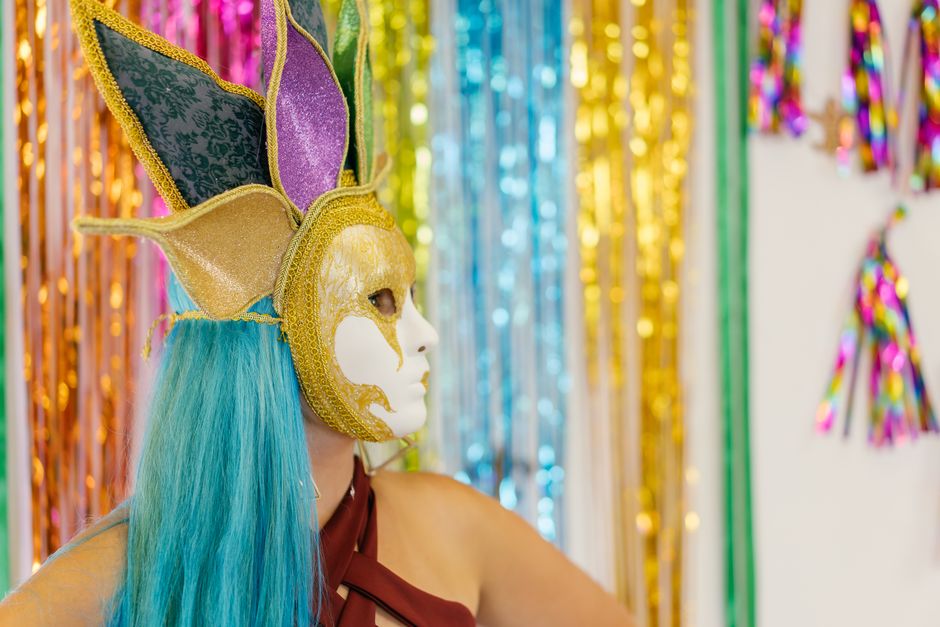
Classic masks include the white-faced volto, the long-nosed plague doctor style, the black velvet moretta, and the beaked bauta. Their shapes were not random. A bauta could cover much of the face while allowing the wearer to eat and speak. A moretta created a softer, more mysterious look. The point was not perfect historical accuracy. The point was controlled anonymity.
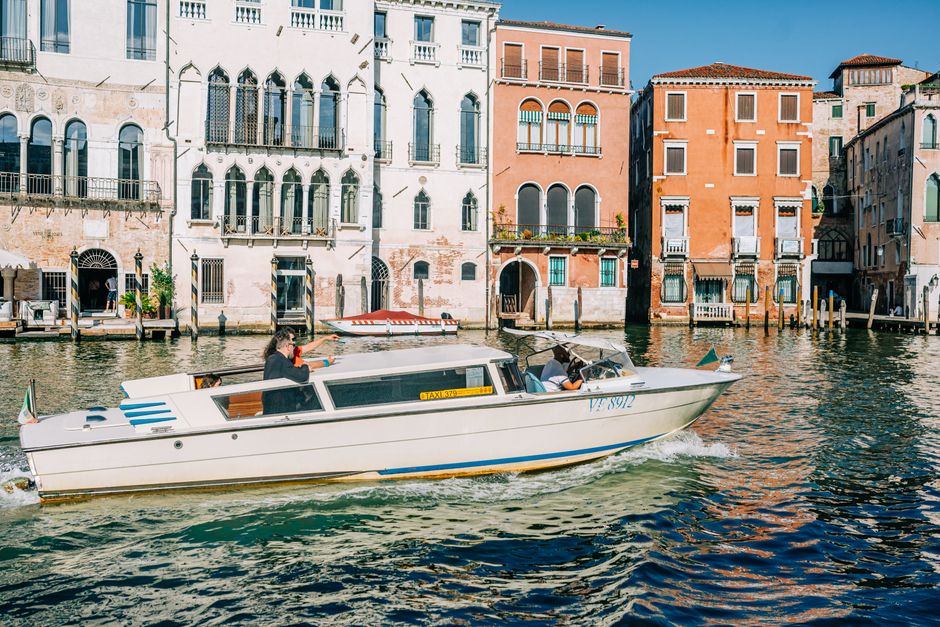
That history also explains the festival’s strongest appeal: you do not need a stage ticket to feel part of it. Watching costumed visitors pose beside a canal can be more memorable than standing in a packed square.
When Venice Carnival is busiest
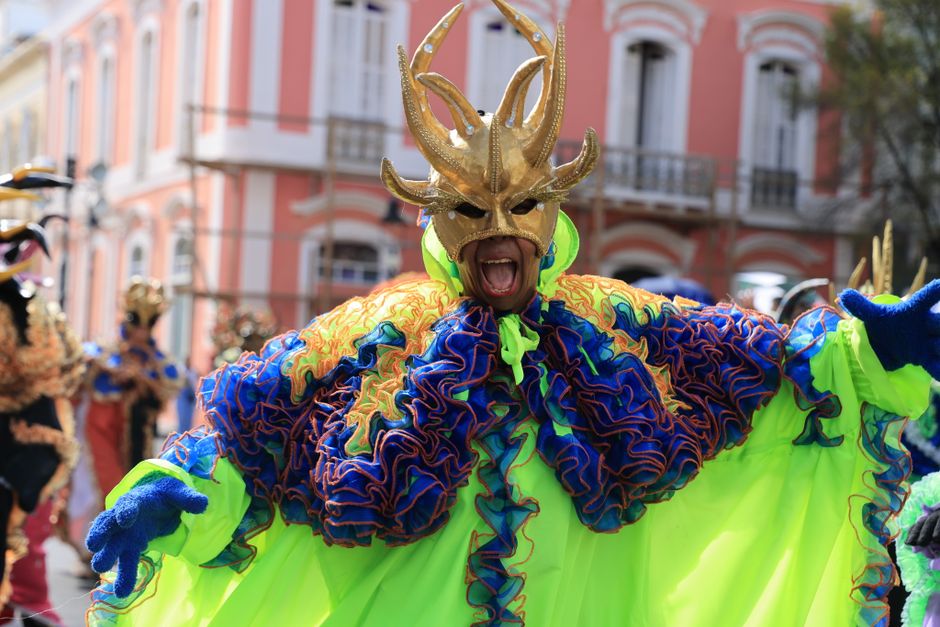
The busiest moments are predictable. Piazza San Marco fills quickly on weekends, especially during the official opening weekend and the final Saturday and Sunday before Shrove Tuesday. Arrive early for portraits, then leave the square before late morning. The quieter experience comes from treating the festival as a citywide event rather than a single show.
Crowd patterns by time
| Time | Typical atmosphere | Best use |
|---|---|---|
| 7:30–9:30 | Quiet streets and soft light | Mask photography around San Marco |
| 10:00–13:00 | Growing crowds near major landmarks | Small museums or quieter sestieri |
| 13:00–16:00 | Busy bridges and vaporetto stops | Long lunch away from the centre |
| 17:00–20:00 | Thinning crowds in residential areas | Walk Cannaregio or Dorsoduro |
| After 20:00 | Event-dependent and uneven | Reserved dinner or a ticketed show |
The dates that change your plan
Check the official programme before booking. The schedule changes by year, and outdoor events can move with weather or crowd control. For Carnival 2026, use the published dates and event locations as your starting point, then build a plan around one major event per day. Trying to see everything creates the exact rushing and waiting that makes Venice tiring.
Which Venetian masks you will actually see
Not every mask in Venice has the same role. Some visitors rent elaborate costumes for official portraits, while others wear a simple handmade mask for an afternoon walk. The difference matters because the festival rewards observation. Look at the shape, fabric, paint, and posture rather than treating every masked person as part of a formal parade.
Volto, bauta, and moretta
The volto is the familiar full-face mask, often white and sometimes decorated with gold, feathers, or painted details. The bauta has a projecting lower section that changes the wearer’s voice and profile. The moretta is a small oval mask traditionally held in place by a button between the teeth, so it leaves the wearer silent. Each creates a different kind of anonymity.
How to spot a handmade mask
Look for uneven brushwork, layered paper, visible texture, and details that continue around the edges. Cheap plastic masks often have a smooth, light-catching surface and identical decoration on every example. A handmade mask does not need to be expensive or historically perfect. It should feel made rather than stamped. Ca’ Macana, Il Canovaccio, and Mondonovo Mascherato are well-known Venetian names connected with traditional mask making, but the workshop matters more than the label.
Do not touch a costume or adjust a feather for a photograph. Ask first, use a short burst rather than a long photo session, and accept a refusal without turning it into a negotiation.
How to enjoy Carnival without the crush
My strongest recommendation is simple: see San Marco early, then spend most of the day away from it. The festival feels larger and more human when you follow the quieter streets where costumed visitors stop for coffee, cross small bridges, and pose beside ordinary homes.
A low-stress route
- Start near San Marco before 8:30 and take photographs from the edge of the square.
- Walk north through Castello instead of joining the main flow toward Rialto.
- Stop for lunch in a side street at least three bridges away from the main landmarks.
- Cross toward Cannaregio in the afternoon, using smaller streets instead of the busiest vaporetto stops.
- Return to the centre after dusk only if you have a specific event or reservation.
Small choices that make a big difference
Wear shoes with firm soles and a closed heel. Venice’s stone paving becomes slippery in winter, and crowded bridges leave little room to stop. Carry a small bag, refillable water bottle, and portable charger rather than a large backpack. Download an offline map because mobile service can become slow around packed squares. If a bridge is stationary for several minutes, turn around and choose a parallel street. Venice rewards detours.
Keep valuables in a zipped inner pocket. A crowd is not dangerous by definition, but it makes ordinary travel mistakes harder to fix.
Where to find atmosphere beyond Piazza San Marco
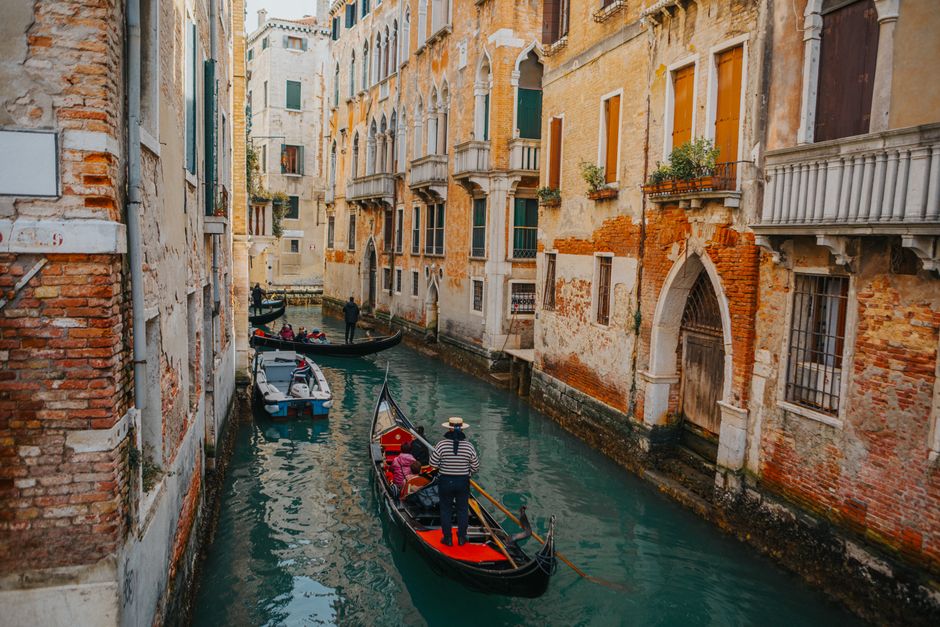
For the best balance of costumes, local life, and breathing room, choose Cannaregio. It has enough Carnival energy to feel connected to the event, yet its residential streets spread people across a wider area. Dorsoduro is the better choice for visitors who want a slower walk, galleries, and views across the water.
Cannaregio for a first visit
Begin near the Strada Nova, then leave the main shopping route after a few minutes. Walk toward the Jewish Ghetto and the northern fondamenta, where the streets often feel less compressed than the lanes around Rialto. You may see costumed visitors taking photographs without the constant queue of spectators found near San Marco.
Dorsoduro for a calmer afternoon
Dorsoduro works best after lunch. Walk from Accademia toward Zattere, then pause along the waterfront before turning into the smaller streets near San Sebastiano. It is not a guarantee of empty lanes; Carnival is popular across the city. The advantage is space, longer sightlines, and more places to step aside.
Castello is the best alternative for visitors who prefer a less polished view of the festival. Its eastern streets feel more residential, and the walk takes you away from the main photo circuit. The tradeoff is fewer headline events, so check the daily programme before committing to a full afternoon there.
What first-time visitors get wrong
Most poor Carnival days come from small planning errors, not from the festival itself. The questions below cover the mistakes that cost visitors the most time.
Do I need a costume to enjoy Venice Carnival?
No. A mask can make the experience fun, but it is not an entry requirement for public streets or squares. Full costumes can be hot, awkward on bridges, and expensive to rent. For most visitors, ordinary winter clothing plus a small mask gives the right balance. Buy or rent only if dressing up is the main reason for your trip.
Can I visit only on a day trip?
Yes, but a day trip creates a hard limit. Trains and buses arrive when the central streets are already filling, and the return journey may force you to leave before evening events. If you have one day, arrive before 9:00 and stay in one broad area instead of crossing the city repeatedly. An overnight stay is better for photographers and anyone who wants to see Venice after the day crowds thin.
Should I rely on the vaporetto?
Use it for long crossings, not every short journey. Boats can become crowded near major stops, and waiting times rise during popular events. Walking is often faster across the historic centre. The common mistake is buying a pass before checking the route you actually need. Map your daily crossings first, then compare single fares with the available time passes.
A practical one-day Venice Carnival plan
The best one-day plan has one fixed anchor and enough empty time around it. Carnival is a street festival, so the strongest moments are often unplanned: a costumed couple turning into a quiet lane, a mask-maker’s window, or music drifting from a courtyard.
Suggested schedule
| Hour | Plan | Reason |
|---|---|---|
| 8:00 | Arrive near San Marco | Photograph costumes before the main rush |
| 9:30 | Walk through Castello | Leave the densest central flow |
| 12:00 | Lunch away from Rialto | Avoid queues and regain time |
| 14:00 | Explore Cannaregio | Find street atmosphere and smaller lanes |
| 17:00 | Choose one event or waterfront walk | Keep the evening focused |
| 20:00 | Dinner near your final area | Avoid crossing the city when tired |
The rule that keeps the day enjoyable
Book one thing, not five. A reserved lunch or ticketed performance gives the day shape, but too many fixed times turn bridges and queues into sources of stress. Leave at least ninety minutes between appointments. If weather changes, replace an outdoor walk with a church, museum, or café rather than forcing the original route.
Venice Carnival works best when you treat the masks as part of the city’s history, not as a checklist of attractions. See the famous square early, follow the quieter neighbourhoods, and leave enough time to wander.

Related Posts