The Swiss Alps in Summer: Lakes, Mountain Trains and Alpine Walks
The best Swiss Alps summer trip is not a frantic tour of every famous viewpoint. Base yourself in the Bernese Oberland, combine one lake day with one mountain train, and leave space for a proper walk. Interlaken, Lauterbrunnen, Grindelwald and Kandersteg give you the strongest mix of scenery, transport and trails without turning every day into a luggage transfer.
Go in June or September for quieter paths. Choose July or August for the most reliable lift and boat schedules, but expect higher prices and crowded stations. The scenery is excellent in all four months. Your planning needs to match the season.
Why the Bernese Oberland is the best summer base
The Bernese Oberland is the clear winner for a first Swiss Alps trip. You get turquoise lakes, glacier views, mountain railways and marked walking routes within a compact area. That matters because Swiss transport is efficient but expensive. A smart base saves both time and money.
Stay in Interlaken for range
Interlaken works best if you want choice. Lake Thun and Lake Brienz sit on opposite sides of town, trains leave for Lauterbrunnen and Grindelwald, and boats connect several lakeside stops. It is busy, touristy and not especially alpine-looking in the centre. That is the trade-off. You gain the widest transport network and the easiest rainy-day backup.
Stay in Lauterbrunnen or Grindelwald for views
Lauterbrunnen is the better base for valley walks, waterfalls and quick access to Wengen and Mürren. Grindelwald is better for high viewpoints, cable cars and trails facing the Eiger. Both cost more than Interlaken in peak summer, and steep village streets make heavy luggage annoying. Book one base for at least three nights. Moving every day wastes the very time you came to the Alps to enjoy.
For a quieter alternative, choose Kandersteg. It gives you direct access to Oeschinensee and several mountain paths, but fewer evening restaurants and less flexibility if the weather closes in. My verdict: use Interlaken for a short first visit, Lauterbrunnen for walking, and Kandersteg for a lake-and-trail trip.
Which Swiss lake deserves your summer morning
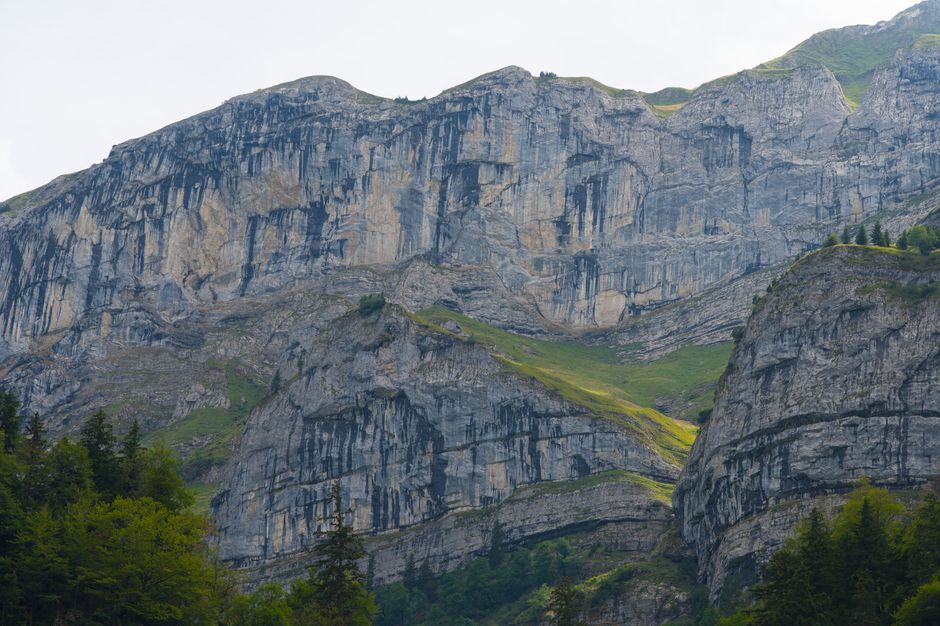
Choose one major lake, not six rushed photo stops. The right lake depends on the kind of day you want: easy transport, swimming, a serious walk or dramatic colour. The table below is the useful comparison.
| Lake | Best for | Access | Main drawback |
|---|---|---|---|
| Lake Brienz | Bright turquoise water and boat trips | Boat, bus and train from Interlaken | Cold water and busy viewpoints |
| Lake Thun | Villages, castles and longer boat days | Boat and train from Interlaken | Less dramatic mountain framing |
| Oeschinensee | High-alpine scenery and hiking | Train to Kandersteg, cable car, then walk | Queues and limited access by car |
| Lake Lucerne | Large-scale scenery and historic towns | Boat, train and road connections | Too far for a relaxed day trip from Interlaken |
| Lake Silvaplana | Wind sports and Engadin landscapes | Bus from St. Moritz | Far from the Bernese Oberland |
Pick Lake Brienz for colour
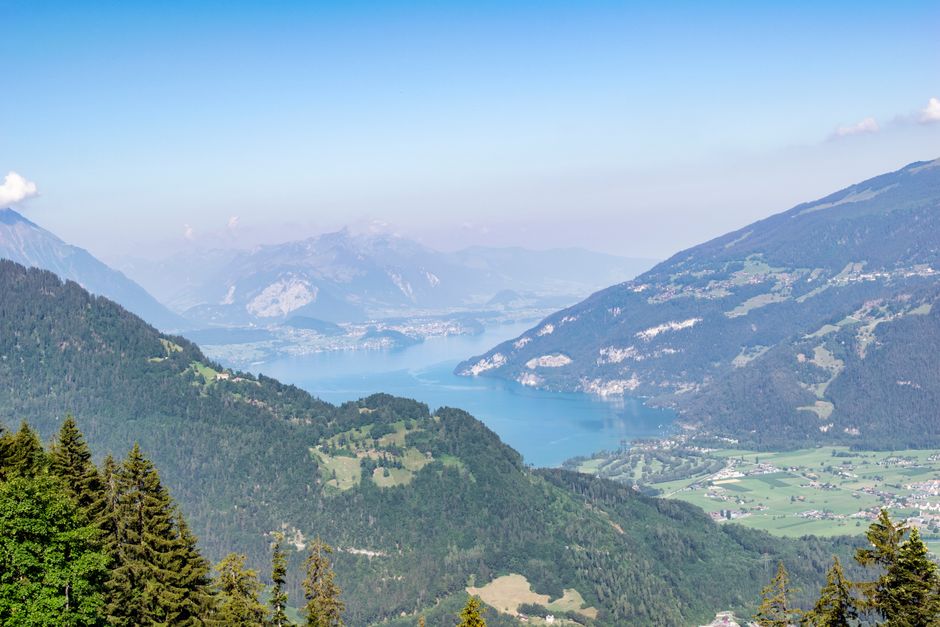
Lake Brienz has the strongest visual payoff near Interlaken. Take a boat toward Brienz, get off at a village such as Iseltwald, or combine the lake with Giessbach Falls. The water looks almost unreal on a sunny day because of glacial sediment. Do not plan a warm swimming afternoon here. Even in July, the water can feel brutal.
Pick Oeschinensee for a proper alpine day
Oeschinensee is the better choice when you want the lake to feel earned. From Kandersteg, the cable car reduces the climb, but you still need a roughly 30-to-40-minute walk to reach the main viewpoints. Arrive early in July and August. The area is a UNESCO World Heritage site, and the small access route feels crowded once day-trippers arrive. My verdict: Lake Brienz wins for an easy scenic day; Oeschinensee wins for the strongest mountain setting.
Which mountain train and pass should you buy
Buy transport only after mapping your actual route. Swiss passes sound simple, but a pass that saves money in one region can be poor value if you spend three days walking. The biggest mistake is buying a national pass before counting your long journeys.
Swiss Travel Pass for a multi-region trip
The Swiss Travel Pass is the best choice for visitors moving between cities and regions. It covers regular trains, buses and boats across the country, plus selected mountain excursions and museum entry. Use it for a route such as Zurich, Lucerne, Interlaken and Montreux. Do not buy it for a single Interlaken base with two local excursions.
Jungfrau Travel Pass for concentrated mountain days
The Jungfrau Travel Pass is the stronger regional product if you plan several days around Interlaken, Grindelwald, Wengen and Mürren. The Jungfraujoch ticket itself starts from CHF 129.60, so the pass can make sense when you stack several lifts and trains.
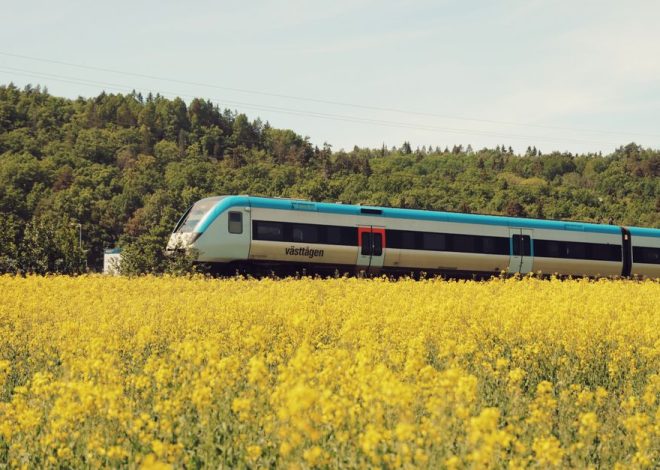
GoldenPass Express for the scenic transfer
The GoldenPass Express is a journey, not a pass. A second-class Montreux-to-Interlaken fare is listed at CHF 56 one way, and the reservation costs CHF 20 per person. Use it when Montreux and the Bernese Oberland are both on your route. Skip the Prestige supplement unless you care about a wider seat and premium service; the landscape outside the window is the main attraction. My verdict: Swiss Travel Pass for country-hopping, Jungfrau Travel Pass for a focused mountain stay, GoldenPass Express for one memorable cross-country rail day.
How to plan alpine walks without getting caught out
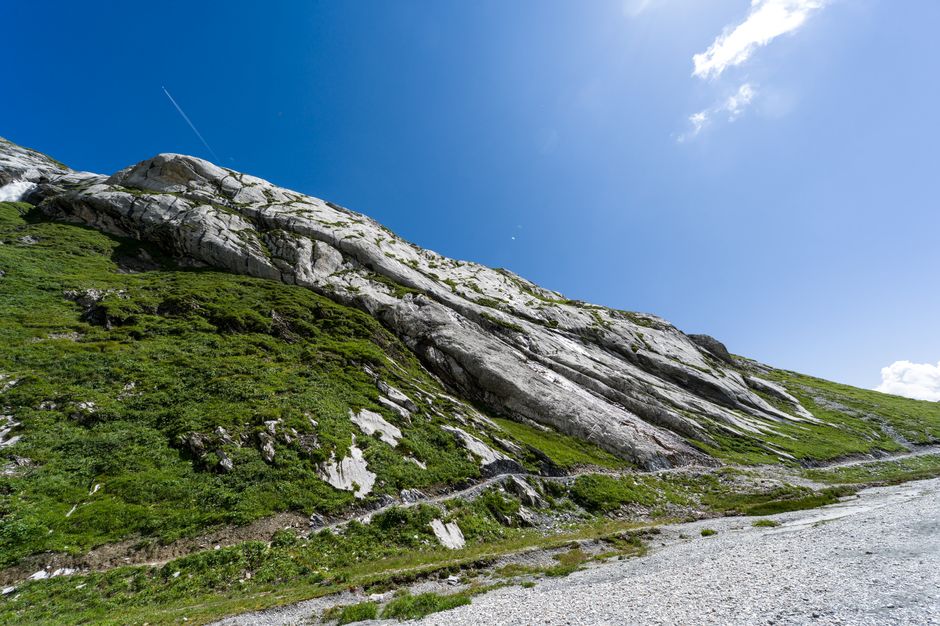
Plan the descent before the ascent. Most summer walking mistakes happen after the scenic part: the last cable car has gone, the weather has turned, or the route takes twice as long because the group stops for photos every five minutes.
Match the route to altitude
Start with valley walks below 1,500 metres if you arrive from sea level or travel with children. Move to routes around 1,800 to 2,300 metres once everyone has adjusted. Snow can remain on shaded sections well into July, especially around high passes and north-facing slopes. A clear forecast in Interlaken does not guarantee clear conditions at the trailhead. Check the mountain forecast, lift status and trail notices on the morning of the walk.
Use the three-number rule
- Check the total distance, not just the time shown on a sign.
- Check the ascent and descent separately; a short route with 500 metres of descent can punish knees.
- Check the last transport departure and leave at least 45 minutes of margin.
Carry water, a light waterproof layer, sunglasses, sun cream, a small first-aid kit and offline map data. Hiking shoes with grip are enough for marked summer paths; heavy mountaineering boots are unnecessary for most lake and ridge walks. The Männlichen to Kleine Scheidegg route is a good first high walk because the route is clear and the views stay open. The Five Lakes Walk above Zermatt is more varied but requires a separate base and transport plan.
Know when to turn around
Turn back for thunder, poor visibility, unstable snow, a painful blister or a trail that feels beyond your group. There is no prize for forcing a summit in cloud. The best summer plan includes a low-level backup, such as the Lauterbrunnen valley floor, a lake boat or a village railway trip. My verdict: choose one ambitious walk per day and keep the rest flexible.
Five mistakes that make the Alps trip worse
The worst Swiss Alps itinerary is overbooked. It looks efficient on a spreadsheet and feels exhausting on the ground. Avoid these five errors.
Mistake 1: Treating the mountains like a city break
Do not schedule a lake, a summit, a museum and a three-hour train journey on the same day. Mountain transport runs on fixed departures, weather changes quickly and every viewpoint takes longer than the map suggests. Give each major outing a full day.
Mistakes 2 to 5: Paying for the wrong thing
- Buying a pass for prestige. A national pass is not automatically cheaper. Add up the trains and boats you will really use.
- Driving to every landmark. Parking near famous lakes fills early, and narrow mountain roads add stress without improving the view. Use trains, buses and boats.
- Trusting one weather forecast. Compare the valley forecast with the forecast at the summit, then keep a lower route ready.
Also avoid packing a different hotel for every night. Three nights in one base gives you a better chance of using a clear morning and postponing a cloudy summit. The Alps reward flexibility more than speed.
Is a Swiss pass worth it for your trip
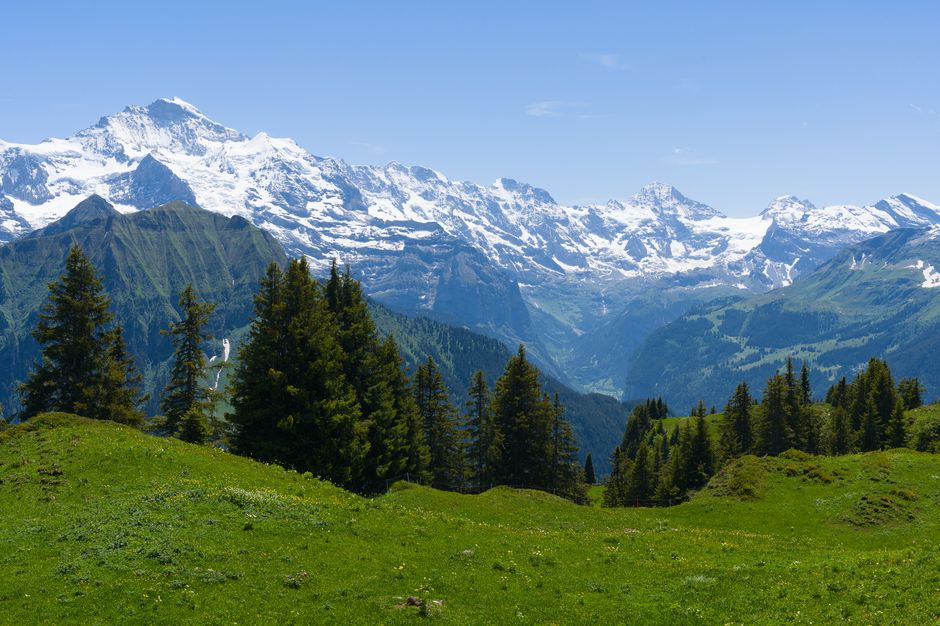
For a three-day regional stay
Buy the Jungfrau Travel Pass if you will use several mountain railways, cable cars and local trains on at least two full days; otherwise buy point-to-point tickets and keep your schedule open, because a pass cannot rescue an itinerary built around poor weather or closed lifts.
For a seven-day lake-and-train route
Buy the Swiss Travel Pass if your route includes long regular-train journeys such as Zurich to Lucerne, Lucerne to Interlaken and Interlaken to Montreux, but skip it when most of your time will be spent on foot around one valley, where individual tickets usually give you more control and less wasted coverage.
Here is the final call: for a first summer visit, base yourself in Interlaken or Lauterbrunnen, choose Lake Brienz or Oeschinensee, book one major mountain train, and leave at least two weather-flexible half-days; that plan brings you back to the opening scene—a clear lake in the morning, a mountain railway after lunch and an alpine path at golden hour—without turning the Swiss Alps into a race.

Related Posts