Croatia in July: Split, Hvar and the Dalmatian Coast in High Summer
The common misconception is that Croatia in July means lying on a beach from breakfast until sunset. That plan usually produces a sunburn, a missed ferry, and a poor view of the country. July is hot, crowded and expensive, but it also offers long days, warm water and the fullest island transport network of the year. The winning strategy is to move early, rest during the harshest afternoon heat, and treat each island as a different experience rather than trying to collect every port.
Is Croatia in July worth the heat and crowds?
My verdict is yes, but only for travellers who accept that high summer is a tradeoff, not a bargain season: Dalmatian coastal temperatures commonly reach about 28 to 33°C during the day, the Adriatic sits near 24°C, and the sun remains strong well into the evening, so the reward is reliable swimming weather while the cost is crowded old towns, higher room rates and busy ferries. Split works best as a short cultural base because Diocletian’s Palace, the Riva and Marjan Hill give you shade, history and a change from the water; Hvar Town adds polished waterfront evenings and easy access to smaller coves; the wider Dalmatian coast is better for slower days in villages, vineyards and quieter beaches.
July is a poor choice for anyone seeking empty streets, cool hiking weather or last-minute accommodation in Hvar Town. It is a strong choice for a first Adriatic trip, a sailing-focused holiday or a seven-to-ten-day route built around swimming and outdoor dinners. The practical compromise is simple: schedule monuments and hill walks before 10:30, reserve the middle of the day for lunch or swimming, and return outdoors after 17:00. That rhythm protects your energy better than trying to follow a packed sightseeing list.
Do not judge the month by one postcard view. A full harbor and a busy beach do not mean the entire coast is overrun. A five-minute walk away from the busiest waterfront, or a short bus ride inland, can change the experience. The clearest recommendation is to visit in July if warm sea temperatures and a lively summer atmosphere matter more to you than low prices and quiet lanes.
How should you divide a Split, Hvar and Dalmatian Coast trip?
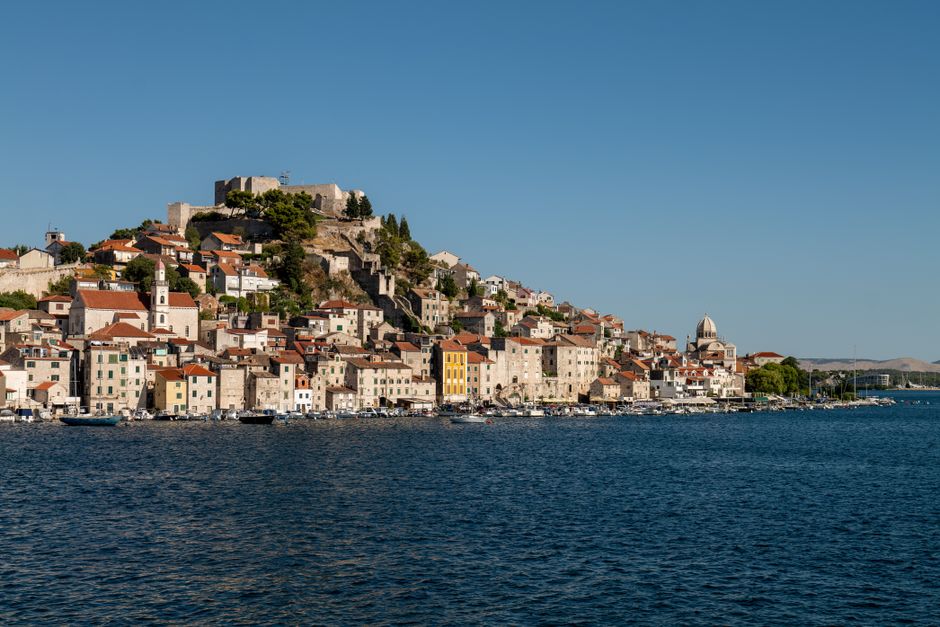
The strongest seven-day plan gives Split enough time to absorb its history, Hvar enough time to justify the ferry ride, and the coast one flexible day for weather or swimming. It avoids the common mistake of changing hotels every night, which turns a relaxing island trip into a luggage-transfer exercise.
A seven-day route that leaves room to breathe
| Day | Base | Main plan | Best timing |
|---|---|---|---|
| 1 | Split | Old Town, Diocletian’s Palace and Riva promenade | Palace before 10:30; dinner after 19:30 |
| 2 | Split | Marjan Hill, a swim and Green Market | Marjan before 09:00 |
| 3 | Hvar Town | Ferry, fortress viewpoint and waterfront walk | Travel before midday |
| 4 | Hvar Town | Beach or boat day, then a quiet inland dinner | Water time from 08:00 to 12:00 |
| 5 | Hvar Island | Stari Grad or a village day away from the main harbor | Use the cooler morning |
| 6 | Dalmatian Coast | Return to Split or continue toward Trogir or the Makarska Riviera | Keep one late ferry option |
| 7 | Split area | Flexible beach, museum or departure buffer | Do not schedule a tight flight connection |
Why this order works
Starting in Split reduces arrival stress because the city has the region’s largest transport hub and more indoor alternatives when the weather turns. Moving to Hvar after two nights gives you a clear contrast: dense Roman and medieval history first, island scenery second. Keeping the final night near Split is the safer choice for an early flight because a delayed catamaran, strong wind or port congestion can disrupt a same-day airport transfer.
For a ten-day trip, add Vis or Korčula rather than squeezing both into the seven-day version. For a short four-night visit, skip the island overnight and take one carefully chosen day trip from Split. The best itinerary is the one that preserves two unplanned half-days.
How do you use the July ferry network without losing a day?
Island travel looks simple on a map, but the failure points are practical: the wrong port, a full sailing, luggage that cannot fit beside your seat, or a weather delay that breaks a tightly linked itinerary. Treat each ferry like a flight with a smaller margin for error.
The booking workflow
- Choose the destination port before buying accommodation. Hvar Town, Stari Grad and Sućuraj are different places, and the transfer across Hvar Island can take much longer than the sea crossing.
- Book the first practical sailing rather than the last possible sailing. Morning departures protect the rest of the day and leave options if you need to move your booking.
- Arrive at the port 30 minutes early during July. Fifteen minutes may be the operator’s formal instruction, but queues, heat and unclear boarding areas make a larger buffer sensible.
- Keep medication, water, identity documents and one change of clothes in a small day bag. Large luggage stays manageable when it is not opened on the quay.
The mistake that causes the most damage
Do not build a route around a non-refundable ferry connection with only 20 minutes between arrival and departure. Operators may sell separate tickets with no responsibility for the second booking. Weather can also interrupt fast catamarans, and a delay is not always treated like an airline cancellation. Leave several hours between unrelated bookings, especially before an airport transfer.
For most visitors, TP Line and Jadrolinija are the practical comparison points, while Krilo is useful when its route and departure time fit better. The clear choice is the earliest reliable sailing that reaches the correct port, not the cheapest displayed fare.
How should you plan each day around July heat?
What belongs in the morning?
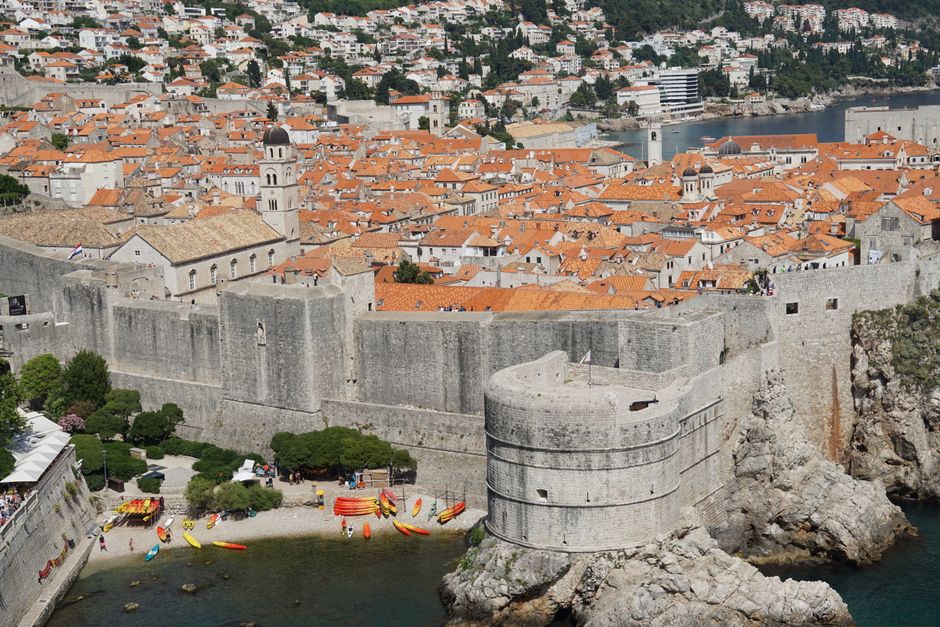
Put the activities that require walking, stairs or full sun between 07:30 and 11:00. In Split, that means the palace cellars, cathedral area and Marjan viewpoints before the stone streets radiate heat. In Hvar, climb to the fortress early, then return downhill before the strongest sun. A light breakfast, one large bottle of water and shoes with real grip matter more than a long packing list because polished stone and uneven paths become tiring quickly.
Swimming works best in the first half of the day too. Beaches are less crowded, the water is calm on many mornings, and you can leave before the hottest hours. Apply sunscreen before leaving accommodation, not after reaching the beach. Shade on popular coves is limited, so a hat and a lightweight long-sleeved layer have more value than another pair of sandals.
What belongs in the afternoon?
Make 12:30 to 16:30 your low-output period. Eat a proper meal, take a nap, visit an air-conditioned museum or sit in a shaded café. This is not wasted holiday time; it is the operating plan that lets you enjoy an evening walk without becoming dehydrated. Carry oral rehydration sachets if heat affects you quickly, and treat dizziness, headache, nausea or unusual fatigue as a reason to stop rather than a challenge to push through.
What changes when the weather turns?
Wind can make a sea crossing uncomfortable or force a schedule change, while a summer storm can turn a perfect beach plan into a wet walk across slippery stone. Keep one indoor option in every base: Split has museums and palace interiors, Hvar has galleries and historic streets, and coastal towns provide restaurants that work for a long lunch. A flexible plan beats a refund fight. The safest daily pattern is early activity, shaded midday recovery and a second outdoor window after 17:00.
When should you skip Hvar and choose another base?
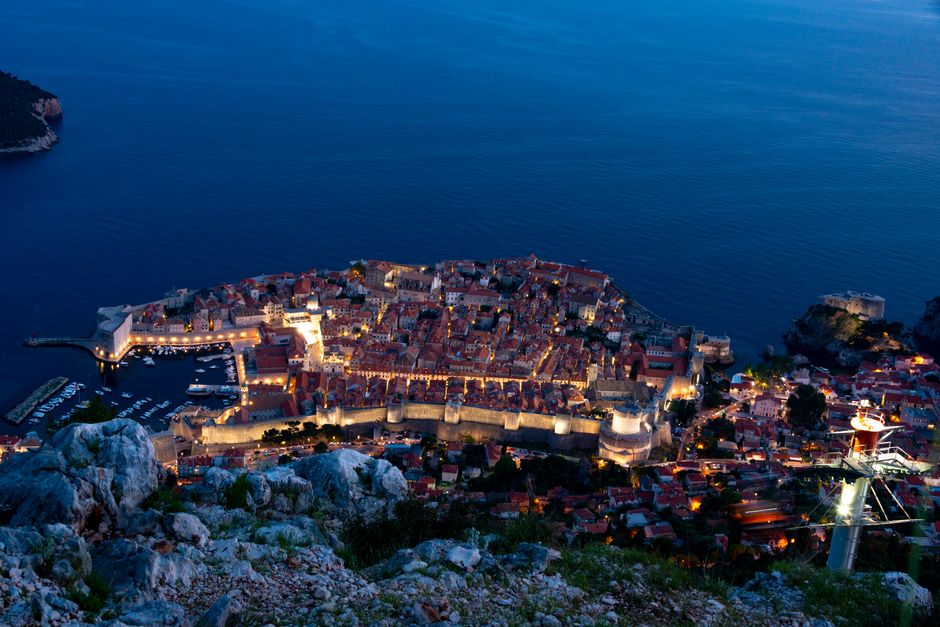
Hvar is not the automatic winner for every July traveller. Choose it when you want stylish evenings, historic lanes, swimming access and a lively social scene. Skip an overnight stay in Hvar Town when your priority is quiet accommodation, low prices, easy parking or a short transfer from the airport. The town’s popularity is part of its appeal, but it also means higher room rates, busy waterfront restaurants and more competition for shaded swimming spots.
Who should stay in Split instead?
Split is the better base for a first trip of three or four nights, especially if you want museums, food markets, nightlife and simple onward transport. It also suits travellers who dislike moving luggage or who need a reliable final-night location before an early flight. Add one island day rather than forcing an overnight change. That arrangement gives you the Adriatic scenery without making every reservation depend on the ferry timetable.
Who should choose a quieter coastal base?
Choose Trogir for architectural interest and a compact historic centre, the Makarska Riviera for beach access and mountain views, or a smaller Hvar village for a slower island stay. These alternatives trade nightlife and direct connections for space, lower noise and a more local pace. They are not substitutes for Hvar Town in every way, and that is the point: they solve different problems.
My specific recommendation is a two-night Split stay, three nights on Hvar outside the busiest waterfront zone, and a final night near Split or Trogir. Book morning ferries, protect the afternoon from the heat, and keep one flexible day for weather. That plan gives first-time visitors the strongest balance of history, sea time, transport reliability and July atmosphere.

Related Posts