July City Break Heat Plans: 5 Indoor Backups
A common mistake is treating July heat as a clothing problem. It is mainly a timing problem. You can wear light clothes, drink water, and still ruin a city break by standing in direct sun between 1 p.m. and 4 p.m. The stronger plan puts the longest outdoor walks early, reserves a cool indoor stop for the hottest block, and keeps one backup within a short walk of every major sight.
This approach also protects money. A missed timed entry, nonrefundable restaurant booking, or prepaid day tour may not be covered just because the temperature feels unbearable. Build the route first, then check the cancellation and medical terms attached to anything you book.
Why a 90-minute heat block beats a packed July itinerary
Heat changes the value of every sightseeing hour
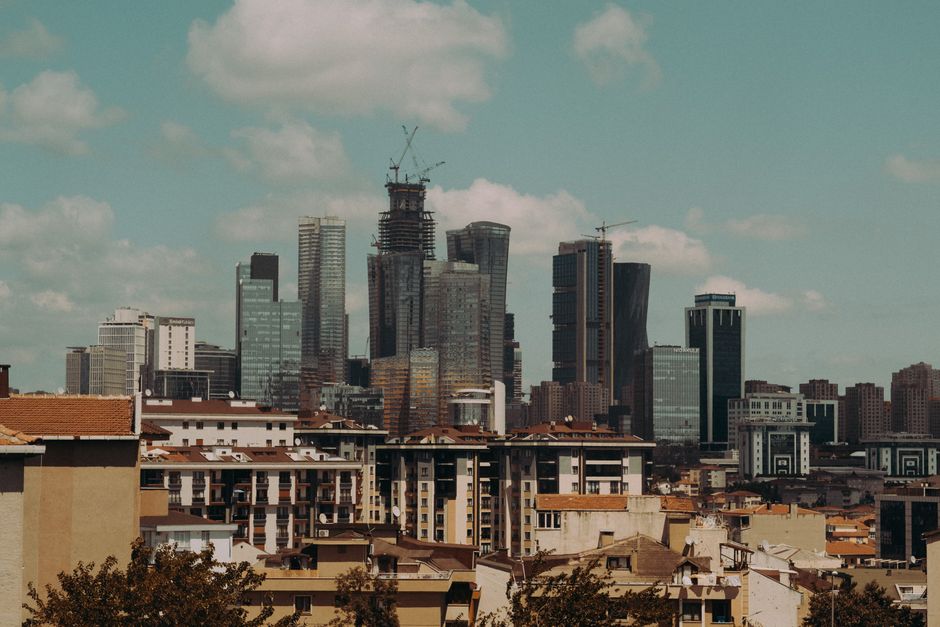
At 8:30 a.m., a 25-minute walk can feel like a pleasant part of the trip. At 2 p.m., the same walk may involve traffic fumes, reflected heat from stone pavements, and a queue with no shade. That difference makes a rigid morning-to-evening schedule poor value. You spend the best part of the day recovering rather than seeing the city.
The most reliable July pattern is an outdoor start, an indoor middle, and a short evening return outside. Aim for major viewpoints, markets, bridges, and open squares before 11:30 a.m. Put museums, covered food halls, galleries, historic churches, department stores, or a hotel rest period between 11:30 a.m. and 3:30 p.m. Bring the second outdoor block back after 5 p.m., when shadows lengthen and pavement temperatures begin to fall.
The first-principles rule: reduce exposure, not ambition
You do not need to remove the famous sights. You need to reduce the amount of unprotected time between them. A good route links attractions by neighborhood, keeps the longest transfer underground or in a taxi, and gives you a real indoor reset before fatigue becomes a problem.
My clear verdict: in July, a six-hour plan with two protected indoor hours beats a ten-hour checklist. It leaves room for a late lunch, an unplanned coffee, and the slower pace that hot weather demands.
How to place an indoor backup beside each main sight
The two-minute map test
Before booking a timed attraction, open a map and search for a second indoor venue within 800 metres. Check the walking route, not just the straight-line distance. A river, steep hill, large park, security entrance, or divided road can turn a nearby building into a 25-minute exposure.
Give each backup a purpose. A large museum works after a long morning because it can absorb two hours. A small gallery or historic interior works better when you need only 45 minutes before lunch. A department store, library, covered market, or cinema can be the practical fallback when the main venue is sold out.
A working backup map for popular city breaks
| Main sight | Nearby indoor backup | Approximate walk | Useful reset time |
|---|---|---|---|
| Eiffel Tower, Paris | Musée de l’Homme at Trocadéro | About 400 metres | 90 to 120 minutes |
| Tower of London | Tower Bridge Exhibition | About 300 metres | 60 to 90 minutes |
| Colosseum, Rome | Capitoline Museums | About 1 kilometre | 90 to 150 minutes |
| Sagrada Família, Barcelona | Hospital de Sant Pau | About 800 metres | 60 to 90 minutes |
| Rijksmuseum, Amsterdam | Van Gogh Museum | About 400 metres | 90 to 120 minutes |
These distances are planning estimates, not guarantees. Check opening days, timed-entry rules, air-conditioning, cloakroom limits, and the final walk on the venue’s own website. My verdict: book the primary attraction only after you have named its nearby fallback and a second fallback for a sold-out day.
What to carry for the hot walk between stops
Three useful gear examples
You do not need a specialist travel wardrobe. You need enough water, shade, and carrying capacity to make the short outdoor sections manageable.
The Osprey works for a light layer, bottle, power bank, and small umbrella without becoming a large sightseeing bag. The Hydro Flask gives you a practical 710 ml capacity, but it is heavier than a thin plastic bottle. UNIQLO’s shirt is useful when you want a light layer over bare shoulders, yet no fabric removes the need for shade or breaks. Check museum bag policies before carrying a full bottle or larger pack.
Mistakes that turn a sensible plan into a bad day
- Do not wait until you feel dizzy or chilled with sweat before taking a break. Stop at the planned indoor point.
- Do not fill the morning with three timed entries in different districts. One delayed train can push the whole route into the hottest hours.
- Do not assume a venue is cool because it is indoors. Glass-roofed halls, crowded churches, and upper galleries can still feel hot.
- Do not carry a heavy metal bottle, camera bag, and backup shoes if your route includes repeated security checks.
- Do not buy gear for a single trip when a hotel, museum shop, or local supermarket can solve the same problem more cheaply.
For most travelers, the clear choice is a small daypack, a refillable bottle, and one breathable layer. Skip expensive cooling gadgets unless you already know you will use them at home.
When travel insurance helps—and when it does not
Does extreme heat automatically justify a refund?
No. A hot forecast usually does not trigger trip-cancellation or interruption cover. Policies tend to respond to named events such as covered medical treatment, transport disruption, or a specified weather incident, subject to the wording and evidence requirements. A policy may cover treatment for heat illness, but it may not repay a museum ticket you chose not to use.
Read the exclusions before relying on insurance. Common problems include pre-existing medical conditions, alcohol-related incidents, unattended belongings, unapproved treatment, missed transport caused by oversleeping, and cancellations based only on a change of mind. Medical cover can also have an excess, a hospital-notification rule, or a requirement to contact an assistance line before arranging care.
How to compare policies without trusting the sales page
Compare at least three quotes from providers such as Allianz Travel, AIG Travel Guard, and World Nomads, then read the certificate for the state and traveler details you entered. Premiums vary by state, age, trip cost, destination, medical history, coverage limits, and selected excess. There is no general U.S. requirement to buy ordinary travel insurance, but policy availability and forms can differ for residents of states such as California, Florida, New York, and Washington.
Use AM Best financial-strength information as one check on the underwriting company, and use J.D. Power satisfaction scores as a service signal rather than proof that a claim will be paid. Ask each provider the same questions: Is heat illness treated as an emergency? Are unused timed tickets covered after a covered medical event? Does the policy pay for a hotel if a doctor says you cannot travel? My verdict: buy cover when the trip has high prepaid costs or meaningful medical exposure, but do not buy it expecting protection from an ordinary hot afternoon.
The July route I would actually book
A six-hour heat-safe template
My recommendation is simple: protect the middle of the day before you protect the number of attractions. This schedule keeps the main sights while leaving enough margin for a slow lunch, a missed train, or a longer indoor stop.
- Start at 8:00 or 8:30 a.m. with the open-air sight that matters most.
- Finish the first outdoor cluster by 11:30 a.m., before the route becomes a test of endurance.
- Move to a preselected indoor backup within 800 metres, or take the shortest available ride.
- Spend 90 to 120 minutes inside, then eat somewhere with seating and reliable shade.
- Return to the hotel or choose a second indoor activity during the peak heat window.
- Book the evening viewpoint, riverside walk, or neighborhood stroll after 5 p.m.
The final call
For a July city break, the best itinerary is not the one with the most reservations. It is the one that still works after a delayed train, a sold-out museum, or a temperature above the forecast. Put one named indoor backup beside every major sight, keep the longest outdoor transfer early or late, and reserve travel insurance for risks that the policy actually covers. That is the plan I would use for any hot-weather city break.

Related Posts