Midsummer in Wales: Snowdonia Hikes and Castles in June
You arrive in Llanberis at 8:30 a.m., see a clear summit above the rooftops, and decide to climb Yr Wyddfa before lunch. Six hours later, low cloud has erased the path, the wind has soaked your map, and the castle visit you booked for the afternoon is already gone. That is the common June mistake in Snowdonia: treating midsummer as guaranteed summer weather. My clear recommendation is a four-day route that pairs one serious mountain day with shorter walks and three castles. It gives you a strong chance of seeing the summit without making the whole trip depend on one forecast.
Is June the right month for Snowdonia hikes?
What midsummer weather actually means
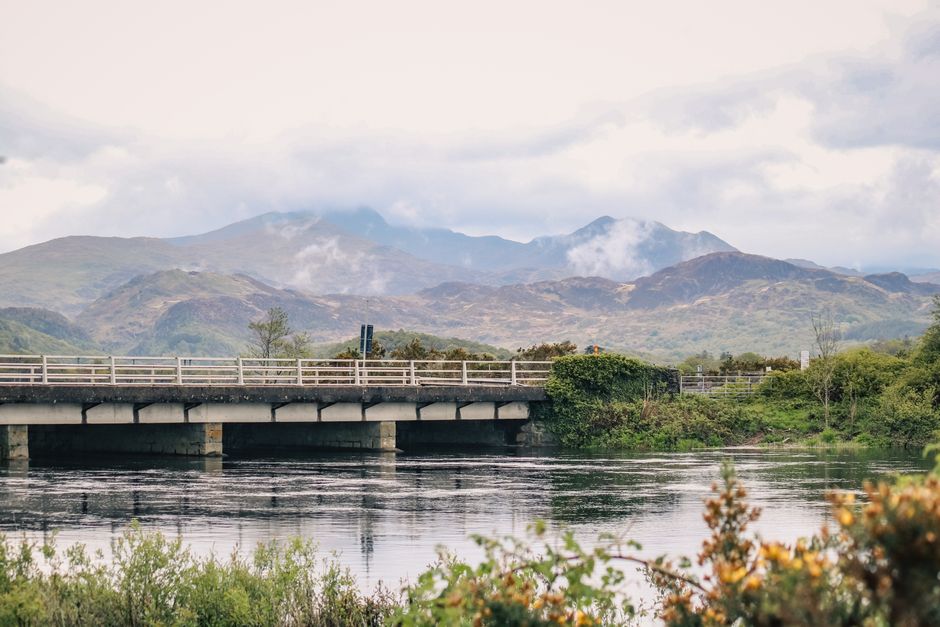
June offers long daylight, green valleys, open visitor attractions, and better odds of settled weather than the colder months. It also brings fast changes on the mountains. At Yr Wyddfa’s summit, conditions can be 10°C or more colder than in Llanberis, and wind can make a mild forecast feel severe. Rain may arrive as a short shower in the valley but as dense cloud and driving wind above 800 metres. Snow is less likely than in winter, yet loose rock, wet slabs, and fog still create real hazards.
Plan for temperatures of roughly 8°C to 18°C in the valleys and 2°C to 10°C near the summit. Those are planning ranges, not promises. Check the Met Office mountain forecast, Eryri National Park notices, and the official Yr Wyddfa route information before leaving. A bright morning does not cancel an afternoon warning.
When should you start walking?
June gives you a useful advantage: daylight often lasts from around 4:45 a.m. until after 9:30 p.m., with exact times changing through the month. Start a major hike by 7:00 a.m. if you want fewer people, cooler temperatures, and spare time for a route change. The best June strategy is not to chase the longest possible day. It is to use the extra light as a safety margin.
What is the best four-day Wales itinerary?
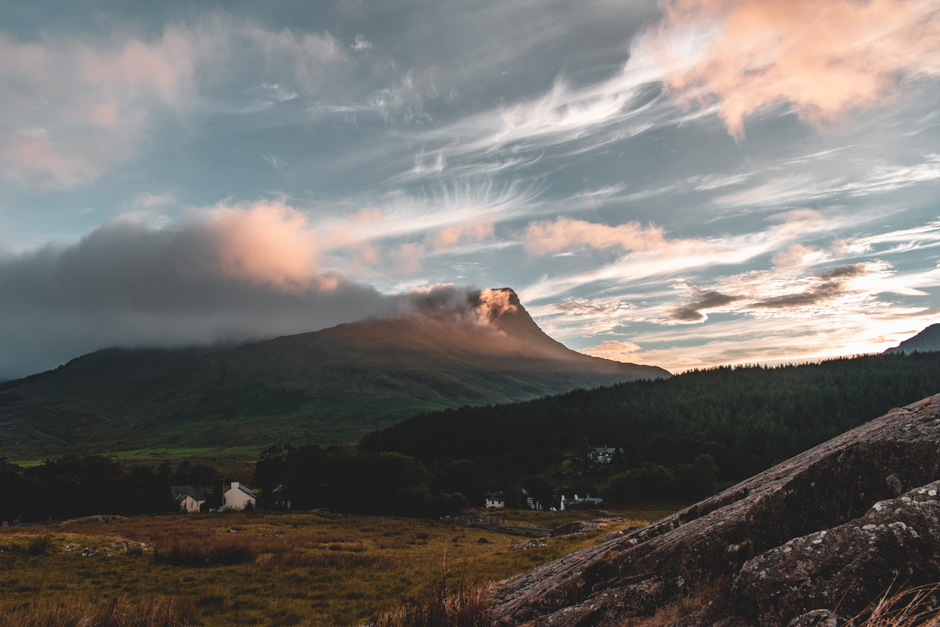
A practical route from Llanberis to the coast
| Day | Base | Main activity | Distance and timing |
|---|---|---|---|
| 1 | Llanberis | Llanberis Path on Yr Wyddfa, or a lower valley walk if the summit forecast fails | 14.5 km return; 6 to 8 hours |
| 2 | Betws-y-Coed | Swallow Falls, Conwy Castle, and the walled town | Short walks; 2 to 3 hours driving and visits |
| 3 | Harlech | Harlech Castle, Portmeirion, and a coastal walk | 5 to 10 km walking; full day |
| 4 | Beaumaris | Beaumaris Castle and the Menai Strait before departure | 2 to 4 hours; flexible finish |
This order is the strongest choice for a first visit because it puts the weather-sensitive mountain day first. If the forecast turns poor, you can swap Day 1 for Dolbadarn Castle, the National Slate Museum, or a lower-level walk around Llyn Padarn. Do not reserve every hour around the summit attempt.
Why this sequence saves time
Llanberis is close to the main Yr Wyddfa paths, while Betws-y-Coed gives you a good base for the eastern side of Eryri. Conwy then works as a natural stop before the route turns west toward Harlech and Beaumaris. Driving times vary with traffic and narrow roads, so allow more than a map app’s fastest estimate. A 30-mile Welsh route can take 75 minutes when coaches, cyclists, or road works slow the A5.
Which Yr Wyddfa hike should you choose in June?
Llanberis Path is the clear first-choice route for mixed groups
For a first summit attempt, choose the Llanberis Path if the forecast is stable and every walker has the fitness for a long uphill day. It covers about 14.5 kilometres return from Llanberis and gains roughly 975 metres. The path is gradual compared with the Pyg Track, but the length creates its own problem. Tired walkers often underestimate the descent, which can punish knees and ankles on wet stone.
Leave early, carry food for eight hours, and turn around if cloud, wind, or fatigue makes navigation uncertain. The summit café is not a rescue plan, and summit facilities may close during poor weather.
Pyg Track and Miners’ Track suit experienced walkers only
The Pyg Track is shorter than Llanberis but steeper, rougher, and less forgiving. The Miners’ Track starts gently beside the lakes before climbing sharply toward the pass. Combining both routes creates a demanding circuit of roughly 12 to 14 kilometres, depending on the exact line. It is a good choice for strong walkers who understand mountain navigation, not for visitors choosing by distance alone.
Do not select the most dramatic route because photographs make it look manageable. Wet rock, mist, and a crowded descent can turn a route that looks simple on a screen into a slow, stressful day. For families, poor-weather backups such as the Aber Falls walk or Cwm Idwal are the better verdict.
Which Welsh castles fit a June hiking trip?
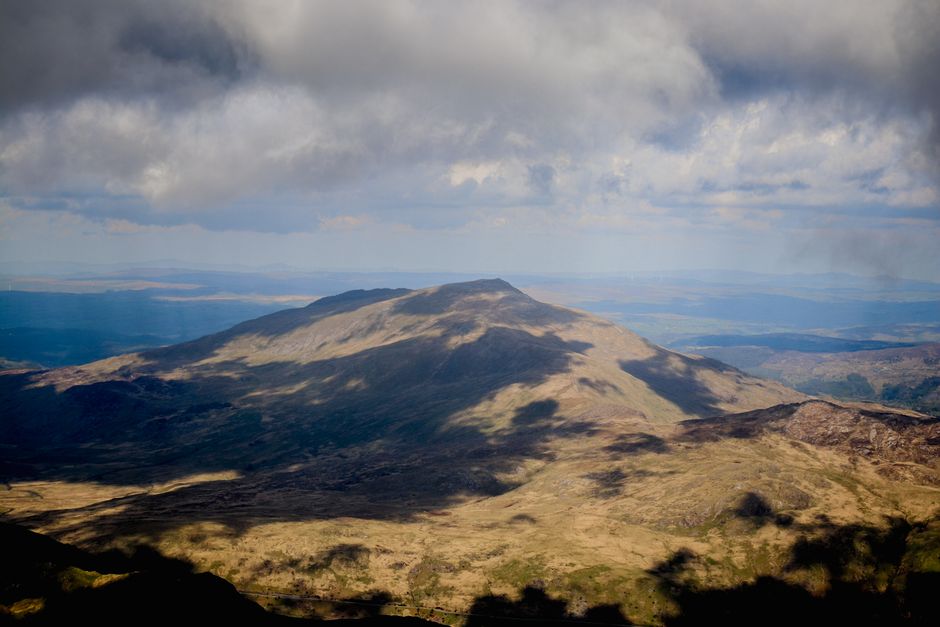
Caernarfon and Conwy deliver the most history per hour
Caernarfon Castle is the strongest pairing with a Llanberis stay. It is about 15 kilometres away, so you can visit after a short recovery walk or use it as a wet-weather replacement for the summit. Its massive walls and royal symbolism make it more rewarding than a quick photo stop. Arrive early in busy June periods and check opening times before driving.
Conwy Castle is the best choice for travellers who want a complete historic town, not only a fortress. The castle sits inside remarkably well-preserved town walls, and the compact centre makes the visit easy to combine with lunch. It also works better than a remote attraction on a rainy day because you can move between indoor and outdoor spaces.
Harlech and Beaumaris reward a slower route
Harlech Castle gives you the strongest landscape setting. The climb from the town leads to wide views over Cardigan Bay, but wind can make the upper walls uncomfortable. Beaumaris Castle is the better final stop: unfinished, highly planned, and easy to visit before crossing away from Anglesey. The four castles form part of the Castles and Town Walls of King Edward in Gwynedd World Heritage site, so the route has a clear historical thread rather than four unrelated stops.
My recommendation is to visit Caernarfon, Conwy, and Harlech if time is tight, then add Beaumaris only when the final day fits your transport schedule. Driving across North Wales for one extra castle is not worth missing a train or ferry.
What should you pack for June mountain days?
The minimum kit that earns its space
Pack waterproof trousers, a waterproof jacket with a hood, a warm mid-layer, spare socks, gloves, a head torch, paper mapping, a charged phone, food, and at least 1.5 litres of water per person. Wear boots with a firm sole rather than smooth lifestyle trainers. The test is simple: if the forecast changes at the summit, can you stay warm and navigate for two extra hours?
Three real products show the level of kit that works, though none is compulsory. The Merrell Moab 3 GTX uses a waterproof Gore-Tex lining and a grippy Vibram sole, making it a sensible choice for wet paths.
What should you not buy?
Do not buy heavy expedition gear for a marked summer route, and do not treat a satellite communicator as a substitute for navigation skill. A large 50-litre pack can encourage overpacking and make steep descents harder. Cotton jeans become cold when wet. Cheap waterproof jackets often fail at the seams or under shoulder straps. The clear verdict is a light day pack, proper waterproof layers, and footwear already worn on several long walks.
How do you protect the trip from common failures?
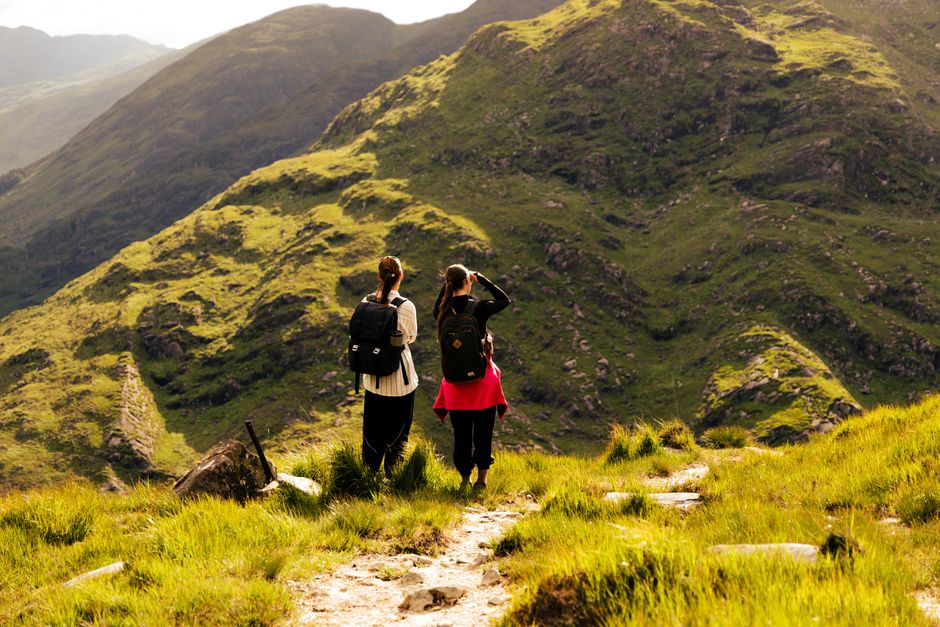
What if the mountain forecast turns bad?
Move the mountain day to the first clear morning rather than forcing it because accommodation is booked. Keep Caernarfon Castle, the National Slate Museum, and a lower valley walk ready as replacements. Tell someone your route, planned return time, and parking location. In poor visibility, turn around early. A summit photo is never worth continuing into conditions you cannot read.
Read the activity wording before buying. Some policies cover ordinary hill walking only below a stated altitude; others exclude scrambling, climbing, or routes above a set height. Search for cancellation, missed transport, medical expenses, baggage, and mountain-rescue wording. For US visitors, state rules can affect policy availability, and premiums vary by state and individual factors. Check the insurer’s AM Best financial-strength rating and the latest J.D. Power satisfaction scores where available, then get multiple quotes. A strong rating does not guarantee that a claim fits your policy.
The best protection is a policy that matches your planned activity, not the cheapest headline price.

Related Posts