Ski Towns of the Alps in January: Chamonix, St Anton and Zermatt Compared
For the safest all-round January bet, choose Zermatt. Its high ski terrain, car-free village and access to up to 360 kilometres of international pistes give it the strongest mix of snow security and easy holiday logistics. Choose St Anton for the best linked skiing and après-ski energy. Choose Chamonix for the widest range of mountain experiences and the strongest appeal to advanced skiers, but accept more transfers and more weather-sensitive planning.
Which Alpine town has the best January snow?
Zermatt wins on snow security, St Anton comes second, and Chamonix offers the most varied conditions rather than the most dependable ones. That ranking is based on altitude and terrain layout, not a promise about a particular snowfall week.
Why elevation matters in January
Chamonix sits at about 1,035 metres, although its ski areas climb to roughly 3,300 metres. The valley can be cold and snowy in January, but a warm spell can affect lower runs and village snow. The town’s official climate data lists average December-January minimum temperatures of about -7°C to -8°C and maximum temperatures of about +1°C to +2°C. The official Chamonix ski guide also shows how spread out the high and low areas are.
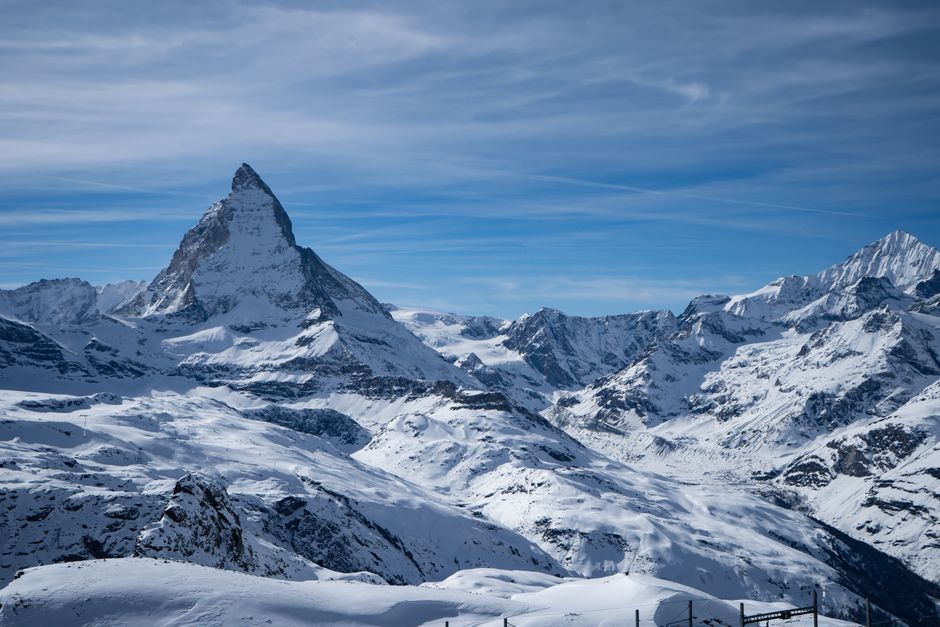
St Anton’s village is higher at roughly 1,304 metres, with skiing reaching the 2,811-metre Valluga. That gives January a reliable winter feel, while extensive snowmaking supports the marked runs. Zermatt starts around 1,620 metres and reaches approximately 3,883 metres at Matterhorn Glacier Paradise. Its upper terrain is the clearest snow advantage of the three.
Why snow reliability is not the same as a perfect ski day
High altitude brings cold, wind and lift closures. Zermatt’s highest lifts can shut during storms, and the cross-border link to Cervinia is more exposed than the village pistes. Chamonix can deliver superb powder after a storm, but avalanche control and transport between areas may limit the day. The practical verdict is simple: pick Zermatt for the highest odds of usable January terrain, St Anton for a broad linked network, and Chamonix if variety matters more than certainty.
How do Chamonix, St Anton and Zermatt compare for skiing?
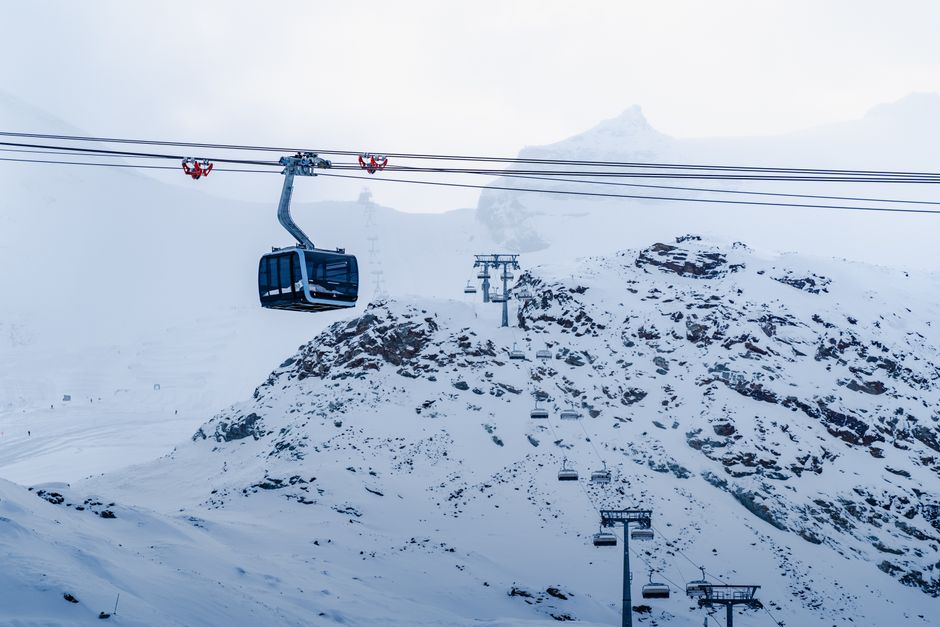
St Anton is the strongest choice for a skier who wants one connected domain and a large amount of challenging terrain. Zermatt offers the most dramatic high-altitude setting and the easiest non-skiing holiday. Chamonix has the broadest personality, but its areas are separated across the valley.
The key numbers for a January decision
| Town | Village altitude | Highest ski access | Terrain or piste scale | Main practical issue |
|---|---|---|---|---|
| Chamonix | 1,035 m | About 3,300 m for ski areas | Several valley areas; strong freeride reputation | Areas require buses, trains or short drives |
| St Anton | 1,304 m | 2,811 m at Valluga | About 300 km of marked runs and 200 km of open terrain | Large network rewards confident skiers |
| Zermatt | 1,620 m | About 3,883 m | Up to 200 km in Switzerland or 360 km with Cervinia | Wind can close the highest lifts and Italy link |
What the piste counts hide
Chamonix is not a single linked ski resort. Les Houches suits families, Brévent and Flégère offer sunny views, Balme gives open intermediate terrain, and Grands Montets targets stronger skiers. That variety is its strength, but a week requires planning around opening times and valley transport.
St Anton has the cleanest answer for a strong intermediate or advanced skier: leave town, ski a wide network, and return without changing resorts. Zermatt is more polished and less frantic. Its long runs, mountain restaurants and lift access suit couples, mixed groups and visitors who want scenery as much as vertical metres. For pure linked skiing, St Anton wins. For the least complicated mixed holiday, Zermatt wins.
Which town suits your type of January trip?
The clearest choice comes from matching the town to the trip, not from chasing the largest piste number.
- Choose Chamonix for an advanced group with mixed mountain goals. Skiers can chase steep terrain and guided off-piste routes, while non-skiers have museums, cafés, snowshoe trails, the Aiguille du Midi and the Montenvers railway. It is the best pick for a group that will not spend every day on one lift network.
- Choose St Anton for strong intermediates and après-ski. The linked Arlberg domain is the most satisfying option for skiers who want long days, varied red runs, serious black runs and a lively evening scene. Its clear weakness is beginners who may find the scale and terrain intimidating.
- Choose Zermatt for couples, mixed-ability groups and high-altitude scenery. The village is car-free, the transport system is easy to understand, and the Matterhorn view gives non-skiers a reason to stay. It is also the strongest choice when snow security matters more than finding the lowest room rate.
- Choose a cheaper satellite village when skiing is the priority. Stay outside central Zermatt if rail access works for your schedule. Consider Les Houches instead of central Chamonix for family space. In the Arlberg, nearby villages can reduce the room bill, but only if the transfer to the main lifts is reliable.
The best town for beginners
Chamonix wins for beginners because its low-altitude practice areas and Les Houches give new skiers more forgiving options. Zermatt works well for lessons but can feel expensive for a first trip. St Anton is the weakest beginner choice of the three because the wider area’s reputation and layout favour skiers who already control speed and direction.
The best town for non-skiers
Zermatt wins. Its mountain railways, viewpoints, restaurants and car-free centre make a full day possible without skis. Chamonix is a close second for visitors who want museums, mountain trains and dramatic cable-car rides. St Anton is strongest for active winter visitors, not for people who want a relaxed sightseeing schedule.
What January mistakes make an Alpine ski trip expensive?
The biggest mistake is treating Chamonix, St Anton and Zermatt as interchangeable resort products. Their terrain, transport and weather risks are different.
Five planning errors to avoid
- Booking by village name alone. Check the exact lift, bus stop and walking route. A room that looks central on a map may sit far from the slopes you plan to ski.
- Assuming every lift runs in a storm. Wind can close Zermatt’s highest lifts and the Cervinia crossing. Heavy snow can delay Chamonix’s cable cars. Keep a low-altitude backup day.
- Buying the largest pass automatically. A full-area pass is poor value if you plan two ski days, take lessons, or spend time sightseeing.
- Underestimating January daylight. Start early, especially for long cross-resort routes. A late departure can turn a simple return into a costly taxi or an uncomfortable bus ride.
When not to choose the obvious winner
Do not choose Zermatt solely because it is high if your group wants nightlife on a tight budget. Do not choose St Anton if several travellers are complete beginners. Do not choose Chamonix if your group expects every ski area to connect by lift from one village base. Those mismatches cost more than a higher room rate because they create extra transfers, unused passes and frustrated days.
Which Alpine ski town wins for January?
Zermatt is the best overall January choice; St Anton is the best skiing choice; Chamonix is the best variety choice. That is the useful three-line answer.
My final ranking
- Zermatt: best balance of high terrain, snow confidence, non-skiing options and simple village transport.
- St Anton: best for capable skiers who value a large connected domain and energetic après-ski over quiet evenings.
- Chamonix: best for adventurous groups who want several ski areas, high-mountain experiences and a real town, provided they plan transfers carefully.
The decision rule for your booking
Book Zermatt if a disappointing snow week would ruin the trip. Book St Anton if every skier in the group already enjoys red and black terrain. Book Chamonix if the holiday needs to work for skiers, climbers, sightseers and café wanderers at the same time.
The future of January skiing will favour towns that combine high terrain with flexible non-skiing days, reliable public transport and clearer safety information. On that measure, Zermatt leads today, while Chamonix and St Anton remain better fits for travellers with more specific priorities.

Related Posts