Vienna in January: Coffee Houses, the Ball Season and Winter Museums
Vienna in January is worth the cold if you plan around indoor culture instead of trying to sightsee outside all day. Start with a slow coffee-house morning, place one major museum in the middle of the day, and reserve the evening for music, ice skating or a formal ball. That rhythm turns short daylight and freezing streets into part of the experience.
The common mistake is treating January as a cheaper version of summer Vienna. It is a different city break. Christmas markets have mostly gone, outdoor wandering takes more effort, and several popular events require early planning. In return, you get quieter galleries, a full ball calendar and the kind of warm, unhurried café culture that makes winter feel intentional.
Is Vienna in January worth the cold?
What the weather changes
Expect cold mornings, damp pavements and roughly 8.5 hours of daylight near the middle of the month. Daytime temperatures often sit around 0–4°C, while nights can fall below freezing. Snow is possible, but a grey, wet day is just as likely. Pack waterproof shoes with a firm sole, a warm coat that covers your hips and gloves that still let you use your phone.
| January feature | What to expect | Best response |
|---|---|---|
| Daylight | About 8.5–9 hours in mid-January | Put outdoor walks between 10:00 and 15:30 |
| Temperature | Often around 0–4°C by day, colder at night | Use short outdoor sections between indoor stops |
| Ball season | Major events run through January and February | Check dates and dress rules before booking |
| Museums | More than 100 museums across the city | Reserve one serious museum per half-day |
The trade-off compared with summer
January gives you better conditions for focused visits. The Upper Belvedere still attracts crowds, but arriving at 09:00 feels very different from a summer afternoon. Cafés become destinations rather than quick stops. You can sit by a window at Café Sperl or Café Schwarzenberg, order a melange and cake, and stay long enough to read the room instead of rushing toward the next landmark.
My verdict is clear: choose January if you want art, music, food and atmosphere more than gardens and long outdoor days. Skip it if your dream Vienna trip depends on warm evenings, Danube cycling or spending hours in palace parks.
How should you use Vienna’s coffee houses in winter?
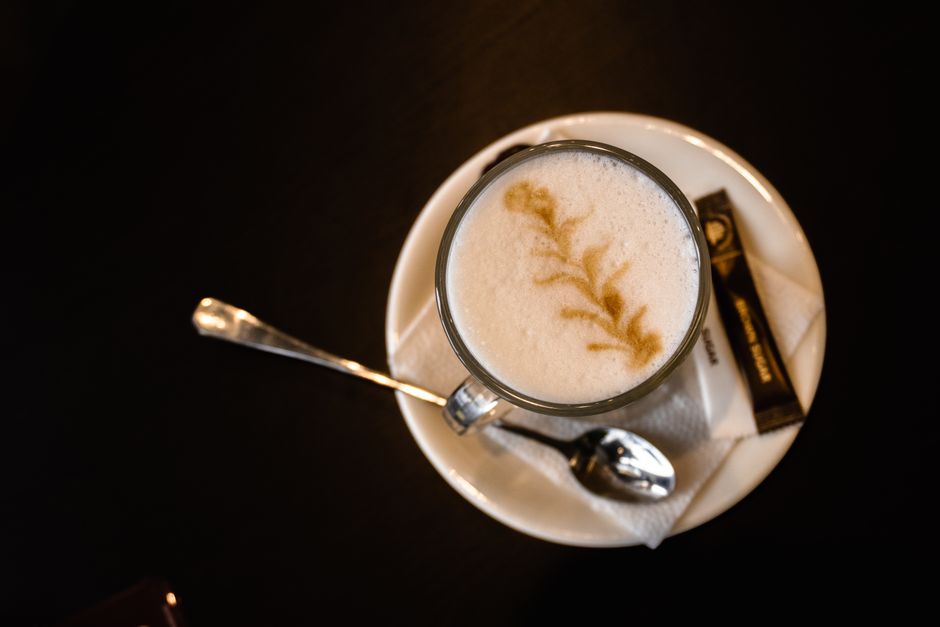
Build a route around warmth, not famous names
Do not plan a coffee-house crawl that sends you across the entire city. Choose two or three cafés in one district and give each visit a purpose.
- Begin near the Ringstrasse. Café Central works well for a grand first impression, but queues can form. Go early or accept that the room, not speed, is the point.
- Use Café Museum for a central break. Its location near the State Opera, Secession and Naschmarkt makes it useful between sights.
- Choose Café Sperl for a slower afternoon. The old interior and billiard tables reward visitors who want to sit rather than take a photograph and leave.
- Finish with Café Schwarzenberg. It sits on the Ringstrasse and makes a practical stop before a concert or an evening event.
Learn the coffee-house rules
A Viennese café is not a takeaway counter. Order at the table, keep your coat with you or use the cloakroom, and do not feel pressured to leave after twenty minutes. A melange, an espresso, a slice of apple strudel or a cake usually costs less than a full restaurant meal, but prices vary by café and location. Carry some cash as a backup, even though most central cafés accept cards.
The best choice for a first visit is Café Central for architecture and history. The better choice for peace and a longer reading break is Café Sperl. Those are different experiences, and forcing both into a rushed morning defeats the reason to go.
Which January balls can visitors actually attend?
Which events suit a first-time visitor?
Vienna’s ball season is not one single event. It is a city-wide calendar of formal nights held in palaces, concert halls and public buildings. The 2026 schedule included the Confectioners’ Ball at the Hofburg on January 15, the Vienna Philharmonic Ball at the Musikverein on January 22, the Coffeehouse Owners’ Ball at the Hofburg on January 23, the Rainbow Ball at Parkhotel Schönbrunn on January 24 and the Vienna Medical Doctors’ Ball on January 31. The Vienna Opera Ball took place later, on February 12.
For a first-timer who wants the strongest connection between coffee culture and the city’s social life, the Coffeehouse Owners’ Ball is the best thematic choice. The 2026 ball card cost €210, while the student card cost €96 for eligible students up to age 26. That price buys a formal night with several rooms, live music and dancing, not a seated theatre performance.
What should you wear and book?
Formal dress is not decoration; it is the entry requirement. Plan for a floor-length evening gown or a formal equivalent, while men should expect tails or another outfit accepted by the individual ball. Comfortable shoes matter because the night can run for hours, but trainers and casual daytime clothing will look out of place.
Buy through the official event website and check the current rules before paying. Tickets can sell out, and some balls have different policies for tables, student admission and late-night entry. Do not buy a ticket from an unverified reseller simply because the event appears sold out. If a formal ball feels too expensive or too rigid, take a beginner waltz class, attend a public concert or visit Rathausplatz for winter skating instead. You still get the city’s January rhythm without paying for an evening you may not enjoy.
Which museums work best when daylight is short?
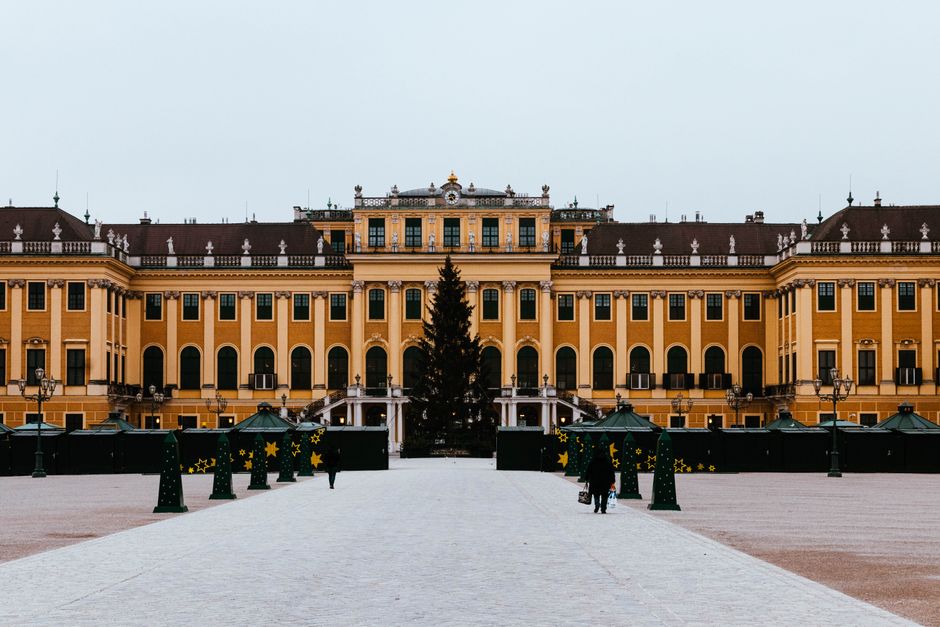
January rewards a slower plan because the museum becomes both shelter and the main event.
Choose the museum by the time you have
The Upper Belvedere is the best single choice for a first visit because the building, gardens and Austrian art collection work together. It opens daily from 09:00 to 18:00, and the adult admission price shown for 2026 is €23. Book a timed entry if you want to see Gustav Klimt’s most famous works without guessing at the queue. The official Upper Belvedere visitor page lists current exhibitions, access details and ticket information.
Choose the Kunsthistorisches Museum when you want a deep, palace-scale visit with Old Masters, Egyptian objects and the famous Cupola Hall. Choose the Albertina when you prefer a central location and a more manageable art-focused route. The Albertina’s 2026 adult ticket is €20.90, and the museum stays open until 21:00 on Wednesdays and Fridays. That late opening solves a common January problem: you can walk outside while there is still light, then move indoors after dark.
Use opening hours to avoid the worst mistake
Check the museum’s own website on the morning of your visit. Weekly closing days, special exhibitions and timed entries change. The Leopold Museum normally opens daily except Tuesday from 10:00 to 18:00, but its seasonal schedule can add exceptions. Do not assume a museum pass automatically beats separate tickets. The Belvedere Gold Pass costs €49 and makes sense for several Belvedere locations or repeat visits; it does not help a visitor who only wants one Klimt-focused morning.
For most short trips, my museum order is Upper Belvedere first, Albertina second and KHM only when you can give it at least three hours. That order balances visual impact, location and energy.
What is the best three-day Vienna itinerary in January?
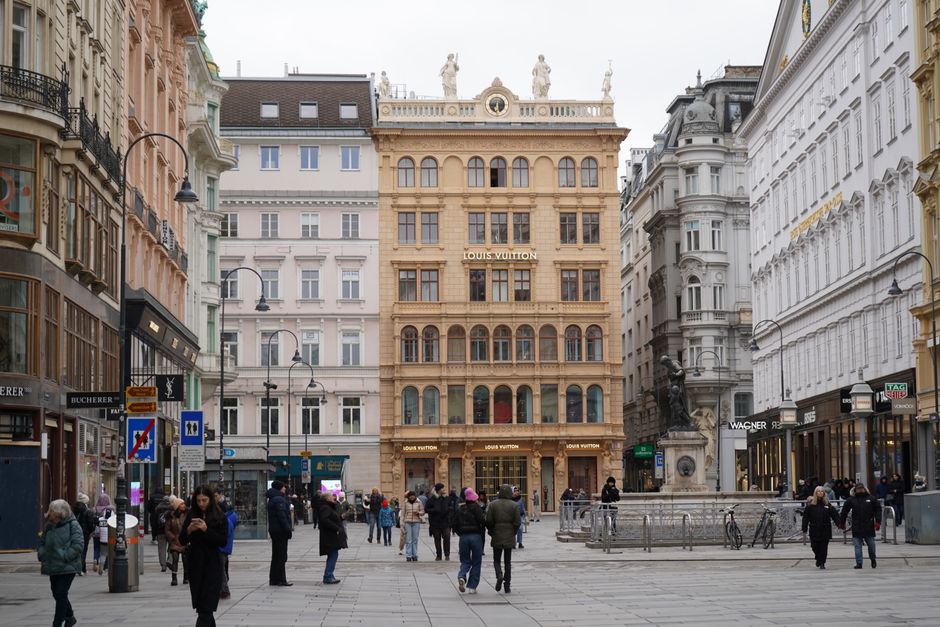
Day-by-day plan
| Day | Morning | Afternoon | Evening |
|---|---|---|---|
| Day 1 | Café Central or Café Museum | Hofburg, Ringstrasse and the Kunsthistorisches Museum | Classical concert or relaxed dinner |
| Day 2 | Upper Belvedere at 09:00 | Naschmarkt and Café Sperl | Ball, waltz class or Rathausplatz skating |
| Day 3 | Albertina or Leopold Museum | Stephansplatz, bookshops and a final coffee house | Early meal before the journey home |
What should you budget and avoid?
Use public transport instead of building every day around taxis. From January 2026, Wiener Linien no longer sells the old 48-hour and 72-hour network tickets. A digital 24-hour WIEN ticket starts at €9.70, while a digital 7-day WIEN ticket costs €25.20. The Vienna City Card starts at €19 and adds discounts, but it is not automatically the best deal. If you only take a few journeys, buy individual digital fares. If you make several museum and café trips each day, compare the card’s discounts before purchasing.
Keep the itinerary flexible enough to move the outdoor parts. A wet afternoon belongs in a museum; a rare clear morning belongs on the Ringstrasse or at Schönbrunn. Leave at least 30 minutes between reservations because winter coats, cloakrooms and tram delays take time. Never schedule a ball on the same evening as a distant concert unless you have checked the doors, transport and formal-dress requirements.
Return to the original problem: you arrive in Vienna, the sky is dark before dinner, and the cold makes the city seem closed. Follow this plan instead. Warm up over coffee, spend the brightest hours with art, and let the evening open into music or dancing. January then stops feeling like an obstacle and becomes the reason the trip has its own character.

Related Posts