Edinburgh in February: Closes, Castles and Cosy Winter Evenings
Edinburgh is worth visiting in February if you plan around short daylight, winter opening hours and wet weather. The city gives you dramatic castle views, quiet Old Town closes and warm evenings in pubs, cafés and small music venues, often with less crowd pressure than the main summer season. February is coldest around January and February, with average minimum temperatures near 1.5°C, and wind can make exposed viewpoints feel much colder than the forecast suggests. The winning plan puts outdoor walking between late morning and mid-afternoon, then reserves the darker hours for museums, historic interiors, dinner and live entertainment. A skeptic should know the trade-off: this is not the month for a packed day of scenic viewpoints, long café-free walks or spontaneous visits to every paid attraction, because some sites shorten hours, close on set weekdays or change access during conservation work. If you accept that limitation, February becomes a strong choice for history-led travel, atmospheric streets and lower-stress evenings.
Why February is a good month for Edinburgh
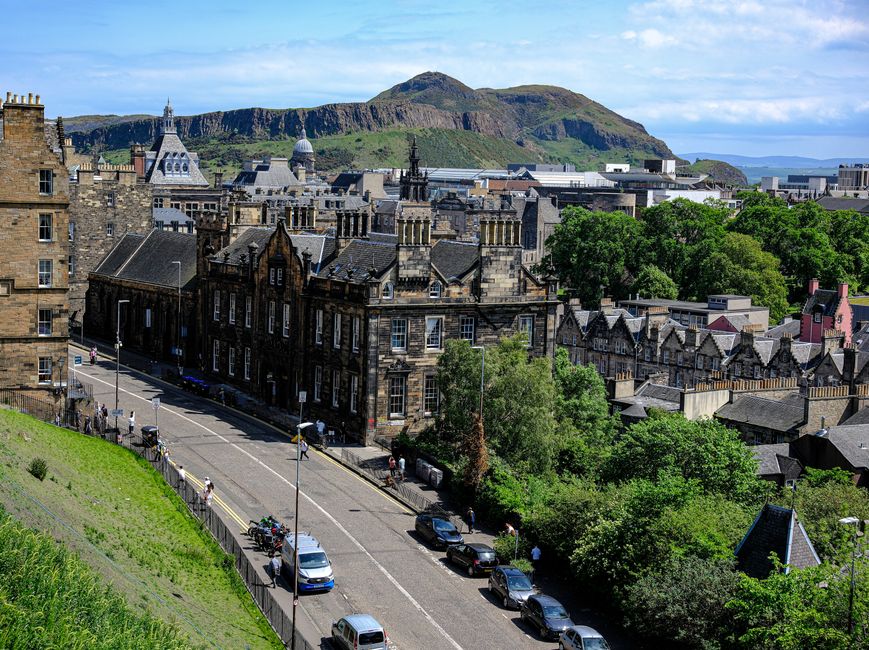
February works because Edinburgh’s main attractions are close together, and much of the city’s character does not depend on sunshine. You can walk from the Royal Mile to Edinburgh Castle, descend into a historic close, warm up in the National Museum of Scotland, then eat within a few minutes of the next stop. That compact layout matters in winter: a sudden shower does not ruin an entire day, and you can replace an outdoor plan with an indoor one without crossing the city.
The strongest reason to visit is atmosphere. Low winter light gives the sandstone Old Town a darker, richer look, while quieter streets make it easier to hear a guide and see the details around doorways, wynds and courtyards. February also brings special events in some years, including rugby weekends, concerts and temporary exhibitions, but those dates can push hotel and restaurant prices up sharply. Check the event calendar before booking flights.
My verdict is clear: choose February for castles, history and evening culture; choose July or August if your priority is long daylight, outdoor landscapes and festival energy.
What to pack for Edinburgh in February
The right packing list is less about heavy clothing than about controlling moisture, wind and wet stone underfoot. Pack for a day that changes temperature several times, and make sure your footwear can handle steep pavements and uneven closes.
- Waterproof outer layer: Bring a genuinely waterproof jacket with a hood, not only a shower-resistant shell. A hood is useful on exposed routes around Edinburgh Castle and Calton Hill, where wind can turn light rain into sideways rain.
- Warm mid-layer: A fleece or wool jumper gives you flexibility inside heated museums and restaurants. One thick coat alone is harder to manage when you move between cold streets and warm interiors.
- Two pairs of walking socks: Damp socks can end a sightseeing day early. Keep a spare pair in a dry bag or sealed pouch and change before your evening plans.
- Grip-first shoes: Choose waterproof walking shoes or boots with a firm sole. Smooth fashion soles are a poor match for polished steps, cobbles and sloping closes after rain.
- Gloves and a hat: These take little space and make a major difference on castle ramparts, bridges and open viewpoints. February wind often feels harsher than the air temperature.
- Small day bag: Keep it under 30 litres if Edinburgh Castle is on your route. The castle does not allow suitcases or large rucksacks of 30 litres or more, and it has no general luggage storage.
- Portable battery: Cold weather drains phone batteries faster, while navigation, tickets and camera use keep the screen active. Download booking confirmations before leaving your accommodation.
- Blister protection: Bring plasters before you need them. A winter itinerary still involves several kilometres of walking, even when every stop is central.
Do not pack an umbrella as your only rain plan. Gusts can make it awkward on open streets, and a waterproof jacket leaves both hands free for railings, maps and a hot drink.
How to combine closes and castles in one winter day
The best history day follows the shape of the Old Town instead of zigzagging between attractions. Start high, move downhill, then finish near Holyrood. This reduces backtracking and keeps the most exposed walking in the brighter part of the day.
Morning: Edinburgh Castle before the weather turns
Book Edinburgh Castle for a morning arrival. From 2 January to 31 March, the castle opens at 9:30am, with last entry at 4pm and the site closing at 5pm. The official advice is to allow at least two hours, but February visitors should allow closer to three if they want the Crown Square buildings, museums, views and One o’Clock Gun without rushing. An advance adult ticket is listed at £23.50, compared with £26 for a walk-up ticket, although prices can change. The official guided tour costs £6.50 and runs at selected winter times, including 10:15am, 11:15am, 12:15pm, 2:15pm and 3:15pm.
Wear shoes with grip and keep your hands free. The route includes steep and cobbled sections, and the castle can close at short notice in severe weather. Check the Edinburgh Castle opening-times page before travelling.
Afternoon: one close, one museum and a downhill route
After the castle, walk down the Royal Mile and choose one close rather than trying to collect several. The Real Mary King’s Close gives the clearest paid experience of underground Old Town life, while free public closes such as Advocate’s Close and Lady Stair’s Close work well for a short, self-guided pause. Then use the National Museum of Scotland as your weather buffer. It is free to enter, open daily from 10am to 5pm, and has cafés, toilets, lockers and lifts. Finish at the Palace of Holyroodhouse if the calendar matches your visit.
This route is better than booking three expensive tours in one day. You get one major ticketed site, one focused close and one free indoor stop, leaving enough time for lunch and delays.
Which Edinburgh attractions open in February?
Winter schedules matter more than headline attraction lists.
| Attraction | February access | Adult price or entry | Best use |
|---|---|---|---|
| Edinburgh Castle | Daily; 9:30am opening, 4pm last entry, 5pm close from 2 January to 31 March | £23.50 online advance; £26 walk-up | First major history visit and city views |
| Palace of Holyroodhouse | Thursday to Monday, 9:30am to 4:30pm; last admission 3:15pm | £22 advance; £26 on the day | Royal rooms, Mary Queen of Scots history and indoor shelter |
| National Museum of Scotland | Daily, 10am to 5pm | Free; special exhibitions may charge | Rainy afternoons, families and budget control |
| The Real Mary King’s Close | Timed tours; check the live calendar | Price varies by date and ticket type | Underground history with a guided story |
Holyroodhouse is the main scheduling trap. The Palace’s official visitor listing is the source to check for current dates, admission prices and closures.
For a low-cost backup, use the National Museum of Scotland. Its visitor information page confirms free general admission and daily 10am to 5pm opening. That makes it more dependable than building a winter day around an outdoor viewpoint.
What mistakes ruin an Edinburgh February trip?

- Booking the castle for the final afternoon: Winter daylight and a 4pm last entry leave little room for a delayed train, lunch or bad weather. Put the castle first or second on the itinerary.
- Ignoring weekday closures: Palace of Holyroodhouse follows a reduced winter schedule. Confirm the exact day before buying a combined attraction pass or arranging transport.
- Planning Arthur’s Seat as a must-do: Wind, ice, rain and poor visibility can turn the summit walk into an unsafe or miserable choice. Keep Calton Hill or an indoor viewpoint as the backup.
- Carrying luggage to the castle: Large bags may be refused, and the site does not provide general luggage storage. Leave luggage at your accommodation or use a suitable storage service before arrival.
- Buying every ticket in advance: Pre-book the attractions that sell out or use timed entry, but leave some space for weather changes. A rigid four-ticket day creates cancellation risk.
Do you need a backup plan?
Yes. Keep one free indoor option, one flexible meal booking and one short walking loop on your list. The strongest February itinerary is not the one with the most reservations; it is the one that still works after two hours of rain.
The single most important takeaway is to book Edinburgh’s major historic sites around their winter hours, then leave the darker, wetter part of the day for warm indoor experiences.

Related Posts