A Winter Weekend in the Lake District: Walks, Pubs and Quiet Villages
Stay in Ambleside, walk at low level, and keep one bad-weather plan ready. That is the reliable formula for a winter weekend in the Lake District. You get dramatic scenery, proper pubs and quiet villages without gambling the whole trip on a clear summit forecast.
Winter changes the rules. Daylight is short, higher paths can turn icy, and some cafés, boats and pubs reduce their opening hours. The answer is not to cancel the walking. It is to choose routes with easy turnarounds, sleep in a central village and leave room for weather.
Choose Ambleside as your winter base
Why Ambleside beats a remote cottage
Ambleside is the best base for a first winter weekend because it gives you options. You can walk directly from the town, reach Windermere and Rydal Water quickly, and still find food if rain arrives before lunch. The town has shops, cafés, outdoor stores and several pubs within a short walk of the centre. That matters in January, when driving a narrow lane to a remote cottage after dark is less charming than it sounds.
It also sits between the southern and central Lakes. Windermere is close enough for a lakeside stroll, while Grasmere, Rydal, Coniston and Hawkshead are realistic day-trip targets. You spend less time moving luggage and more time outside.
What to book
Book a room within walking distance of Market Cross and choose breakfast that starts early. A two-night stay gives you one full walking day and a second morning before the journey home. A pub with rooms is a good fit if you want dinner and a drink without using the car, but check the kitchen’s winter closing day before paying a deposit.
For a quieter feel, choose Troutbeck instead. It has stone cottages, fell views and a strong village atmosphere, but fewer backup options. Hawkshead is prettier and calmer still, yet its lanes and evening transport make it a weaker base for a short first visit.
The simple verdict
Choose Ambleside for convenience, Troutbeck for peace and Hawkshead for character. For a two-night winter trip, Ambleside wins because one wet afternoon will not wreck the plan.
Use a two-day route that survives bad weather
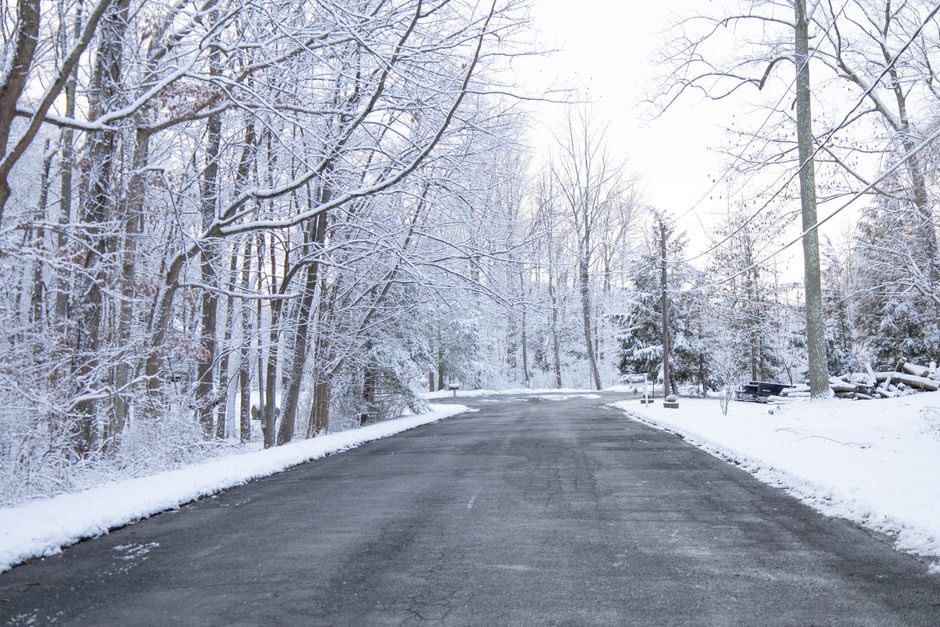
A good winter itinerary keeps the hardest walk on the day with the best forecast. Do not reserve the dramatic high route for Saturday simply because Saturday comes first. Check the forecast after arrival, then choose. The table below gives you a sturdy default that works for mixed weather and moderate fitness.
| Time | Plan | Distance and effort |
|---|---|---|
| Friday afternoon | Arrive in Ambleside, walk to Stock Ghyll Force and explore the town | 3 to 5 km; easy, muddy after rain |
| Friday evening | Dinner in Ambleside and an early night | Book ahead on Friday and Saturday |
| Saturday morning | Rydal Water circuit from Ambleside or Rydal Hall | 6 to 8 km; low-level, 2 to 3 hours |
| Saturday afternoon | Grasmere village, tea and a second short walk | Flexible; shorten if rain intensifies |
| Saturday evening | Pub dinner in Ambleside or Troutbeck | Walkable if staying centrally |
| Sunday morning | Orrest Head from Windermere or Tarn Hows near Coniston | 3 to 6 km; easy to moderate |
| Sunday afternoon | Drive home before the darkest part of the day | Allow extra time on wet rural roads |
When the forecast is wet
Keep to Rydal Water, Grasmere village and the lower paths around Windermere. Add a museum, café or long lunch instead of forcing a ridge walk. Rydal Water gives you woodland, open lake views and historic houses without committing you to a high summit.
When the forecast is clear
Use the clear window for a higher route only if you have the navigation skills, footwear and daylight. Fairfield, Helvellyn and the Langdale tops are not casual winter walks. Snow, ice, wind and cloud can turn a summer route into a mountain day. The National Park’s winter planning guidance is a better reference than a photo from someone’s sunny August weekend.
The verdict is simple: plan a low-level backbone and treat the high fells as an upgrade, never as the only reason for going.
The best winter walks are low-level
Winter rewards walkers who value atmosphere over summit bragging rights. Bare trees open views across the water, mist gives the valleys depth and quiet paths feel far more remote than they do in July. The best route is the one you can enjoy in rain, finish before dark and leave with enough energy for the pub.
Rydal Water and Rydal Hall
Start near Rydal and follow the paths around the lake, adding Rydal Hall and its grounds if conditions are firm. The full outing usually takes two to three hours, depending on stops and the exact start point. Expect wet roots, slippery stones and puddles rather than technical mountain ground. It is the strongest all-round choice for a first winter morning.
Orrest Head from Windermere
Orrest Head is short, direct and generous with the view. The climb from Windermere is roughly 1.5 kilometres each way, with a steep section that becomes slick after rain. On a clear day, the viewpoint looks across Windermere towards the fells. On a grey day, the route still works because you can turn back quickly and continue into Windermere’s cafés.
Tarn Hows near Coniston
The circuit around Tarn Hows is about 3.8 kilometres and usually takes one to one and a half hours. It is a good choice for families, mixed-ability groups and anyone who wants scenery without a full day on the hill. The path can be muddy and busy around the main car park, so arrive early.
Skip these walks after heavy rain if the paths are flooded, or after strong winds if exposed trees and branches make the route unsafe. The right winter walk is not the longest one. It is the route that leaves enough daylight for the return.
Eat in the villages that still feel local
For dinner, choose the pub before you choose the walk. Winter kitchens often close on a quieter weekday, and a village that feels full at lunchtime can be nearly empty after seven. Reserve a table, confirm the kitchen hours and keep one nearby alternative.
Ambleside for choice
Ambleside has the widest range of food for a short break. The Old Stamp House is the serious restaurant choice, while Fellinis offers a more relaxed vegetarian menu. For a traditional pub meal, check current service at places such as The Golden Rule or The Unicorn. Opening hours change by season, so use the venue’s own booking page or call before you set off.
Troutbeck for the classic pub setting
The Mortal Man is the obvious Troutbeck name: a hillside inn with views, local atmosphere and food that suits a cold evening. It is better for a planned meal than a spontaneous stop because the village is spread out and taxis are limited. The Queen’s Head at Troutbeck is another strong option for a pub stay or meal, but confirm its winter service before travelling.
Hawkshead and Grasmere for a slow afternoon
Hawkshead is made for a daylight wander through narrow lanes, followed by food at a village pub. Grasmere has more cafés and a stronger choice for lunch, plus the famous gingerbread shop. Neither village should be treated as a guaranteed late-night food stop in winter. Eat earlier, carry a snack and avoid planning a long walk around the promise of a meal served at the exact finish time.
My clear pick is Ambleside for one base, Troutbeck for one memorable dinner and Grasmere for lunch after a short walk. That combination gives you atmosphere without making every meal depend on a rural bus or dark drive.
Which village wins: Ambleside, Hawkshead or Troutbeck?
Is Ambleside best without a car?
Yes. Ambleside is the clear winner for a car-free winter weekend. Windermere station connects with the town by bus, and local services can take you towards Grasmere, Rydal and other walking starts. Check the live timetable before travelling because winter services and final buses can change. Stagecoach routes such as the 599 have been useful around Windermere, but a timetable from a previous season is not a plan.
Is Hawkshead quieter than Ambleside?
Yes, but quiet comes with a trade-off. Hawkshead has a stronger village feel and fewer urban distractions, yet evening transport is limited and some businesses close early. Stay there if you want two slow days and have arranged dinner and transport in advance. Do not choose it for a flexible itinerary built around spontaneous buses.
Which map or app should you use?
Use Ordnance Survey OL4 at 1:25,000 scale for detailed footpaths, contours and route planning. The OS Maps app is useful for checking distance and saving a route, but it should support a paper map rather than replace it. For a lower-stress trip, keep the route below the high fell line, check the National Park’s Weatherline before setting out and leave enough daylight for mistakes.
The final choice is not complicated. Book Ambleside, walk Rydal Water, spend one afternoon in Grasmere or Hawkshead, and save the high fells for a trip built around winter mountain skills.
The single best winter weekend in the Lake District is a flexible Ambleside stay built around low-level walks, early dinners and the discipline to turn back when the weather changes.

Related Posts