Kyoto Day Trips: 10 Routes Worth Your Yen and 2 to Skip
The best day trip from Kyoto is Nara. Not because it is the most spectacular, but because it delivers the highest satisfaction-to-effort ratio in the Kansai region. You board a train at Kyoto Station, sit for 45 minutes, and step into a park where 1,200 deer bow at you. That is hard to beat.
This guide ranks 10 day trips by logistical friction, not just scenic appeal. A temple in the mountains means nothing if you waste three hours on bus transfers. I include exact train lines, platform numbers where relevant, and the crowd thresholds that turn a pleasant outing into a regret.
Ranking Table: Every Trip Compared
Skip the narrative and check the numbers first. This table uses current 2026 fares and average travel times from Kyoto Station. Crowd ratings reflect peak season (March-April, October-November) conditions.
| Destination | Train Time | Round-Trip Cost (JPY) | Best For | Crowd Level |
|---|---|---|---|---|
| Nara | 45 min (Kintetsu Express) | 1,280 | First-timers, families | High |
| Uji | 20 min (JR Nara Line) | 480 | Tea lovers, quiet seekers | Low |
| Osaka | 30 min (JR Special Rapid) | 1,120 | Food, nightlife | Very High |
| Himeji | 45 min (Shinkansen) | 4,480 | Castle architecture | Medium |
| Koyasan | 2 hr 10 min (Nankai + cable car) | 3,400 | Temple stays, solitude | Medium |
| Arashiyama | 15 min (JR Sagano Line) | 480 | Bamboo grove, river views | Extreme |
| Amanohashidate | 2 hr (Hashidate Limited Express) | 5,600 | Coastal scenery | Low |
| Kibune/Kurama | 30 min (Eizan Railway) | 840 | Hiking, river dining | Low |
| Lake Biwa | 25 min (JR Biwako Line) | 660 | Cycling, swimming | Low |
| Ine no Funaya | 3 hr (bus + train) | 6,200 | Photography, isolation | Very Low |
Nara and Uji: The Two Trips You Should Book First
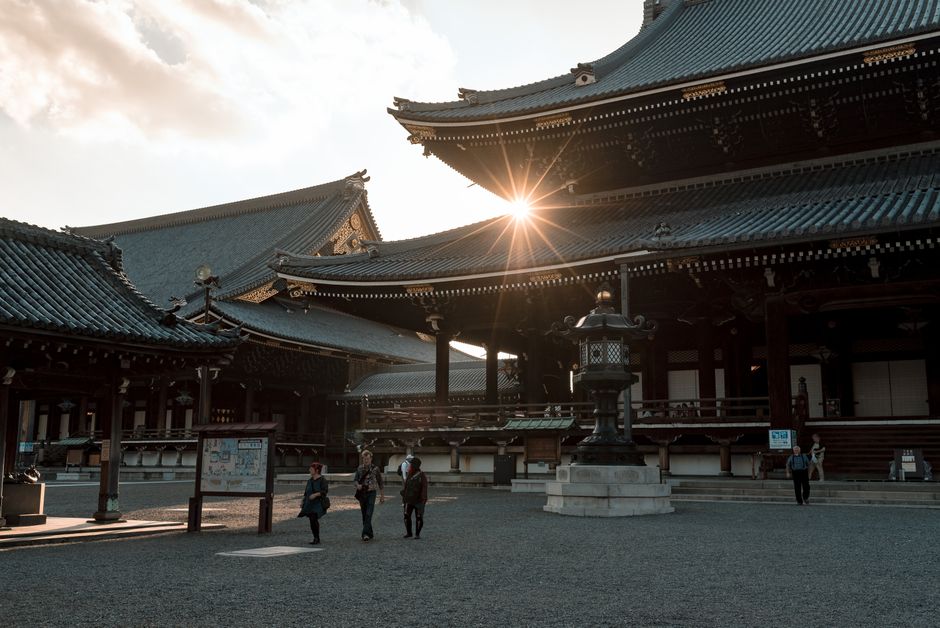
If you only have energy for two excursions, pick these. They sit on opposite ends of the crowd spectrum and show you two different Japans.
Nara: The Deer Park Is Not the Point
Most people go to Nara for the deer. Fine. But the actual value is Todaiji Temple. The Great Buddha Hall (Daibutsuden) is one of the largest wooden structures on earth. The bronze Buddha inside stands 15 meters tall. You walk in, crane your neck, and feel small. That feeling is worth the 600 JPY admission.
The deer are aggressive around the park entrance. They bite. They headbutt. Buy the 200 JPY crackers if you want photos, but hold them high and walk away from the main gate. The deer near Nigatsudo Hall are calmer.
Take the Kintetsu line, not JR. Kintetsu Nara Station is 1.2 km closer to the park. The express train takes 35 minutes and costs 680 JPY one way. The JR Nara Station adds a 20-minute walk through a shopping arcade that gets old fast.
Uji: The Best 20-Minute Escape in Japan
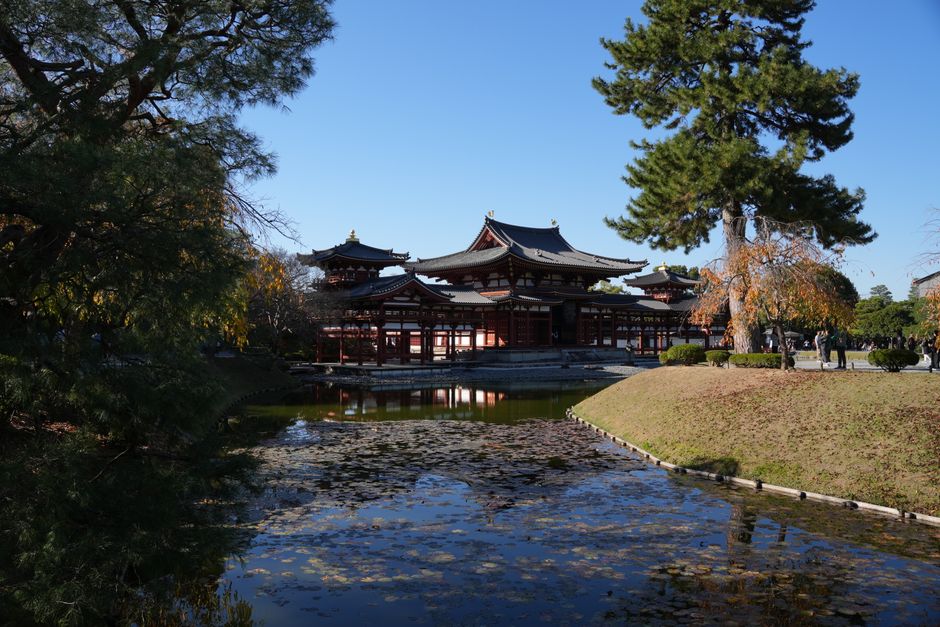
Uji is Kyoto’s tea town. It is 20 minutes from Kyoto Station on the JR Nara Line. You walk out, cross the Uji River, and find yourself at Byodo-in Temple. This is the temple on the 10-yen coin. The Phoenix Hall, built in 1053, sits on a pond designed to reflect the building at sunrise. Go early. The light hits the east side of the hall around 7:30 AM in summer.
For matcha, skip the tourist shops near the station. Walk 10 minutes to Nakamura Tokichi Honten (established 1854). Their matcha soba set costs 1,650 JPY. The line forms at 10 AM. Arrive by 9:45 and write your name on the waiting sheet.
Uji gets a fraction of Nara’s crowds. On a Tuesday morning in April, you might share the Phoenix Hall garden with 30 people. That is rare in Kansai.
Osaka and Himeji: When to Go and When to Stay Home
Osaka Is a Night Trip, Not a Day Trip
The mistake people make is treating Osaka as a 9-to-5 excursion. Osaka’s temples are fine. Its castle is a concrete reconstruction. What Osaka does well is food and nightlife, and neither wakes up before noon.
Here is the better plan. Spend your Kyoto morning at a quiet temple. Take the JR Special Rapid to Osaka at 3 PM. Walk Dotonbori at dusk. Eat kushikatsu at Daruma in Shinsekai (the original shop, not the branch). Have a drink in a standing bar under the Hankyu tracks. Take the last train back to Kyoto at 11:45 PM. That is a day trip worth taking.
If you want daytime Osaka, the only reason is the Kuromon Market before 10 AM. After that, it is a river of tour groups.
Himeji: The Only Castle That Justifies the Shinkansen Fare
Himeji Castle is the best original castle in Japan. Not a reconstruction. Not a museum with castle-shaped walls. The real thing, built in 1609, with a six-story wooden keep and 1,000 cherry trees in the outer moat.
The problem is cost. A round-trip Shinkansen ticket costs 4,480 JPY unreserved. The local train takes 90 minutes each way and costs 2,270 JPY round trip. The castle admission is 1,000 JPY. You are spending 5,480 JPY minimum for one attraction.
Worth it if you have never seen a Japanese castle. Skip it if you have. The interior is empty wooden rooms with steep stairs. The exterior is the show.
Buy the JR Kansai Wide Area Pass if you plan Himeji plus one other long-distance trip. It costs 12,000 JPY for 5 days and covers the Shinkansen to Himeji, Amanohashidate, and Kinosaki Onsen. Without it, these trips bleed your budget.
The Two Trips I Would Cut From Your Itinerary
Skip Arashiyama in peak season. The bamboo grove is 200 meters long. In October, you will share that 200 meters with 3,000 people. The path is narrow. You cannot stop. You cannot photograph without strangers in frame. The Sagano Romantic Train is booked out weeks in advance. The river boats are overpriced at 4,000 JPY for a 2-hour ride past concrete embankments.
Arashiyama works only if you go at 6:30 AM on a weekday in February. Otherwise, the experience is a queue, not a grove.
Skip Ine no Funaya unless you are a professional photographer with three days to spare. The thatched fishing houses on the bay look stunning in photos. Getting there takes 3 hours each way from Kyoto. You change trains in Amanohashidate, then take a bus, then walk 20 minutes. The village has one small cafe and no public restrooms near the viewpoint. You will spend 6 hours in transit for 40 minutes of looking. That ratio is broken.
Koyasan, Amanohashidate, and the Mountain Routes: Logistics Decide Everything
Koyasan: The Overnight That Pretends to Be a Day Trip
Koyasan is a temple town on a mountaintop. It is the headquarters of Shingon Buddhism. You can visit as a day trip, but the travel time (2 hours 10 minutes each way) means you get 4 hours on the mountain. That is not enough for Okunoin Cemetery, the Danjo Garan complex, and a temple lunch.
Stay overnight. A temple stay (shukubo) at Eko-in costs 12,000-18,000 JPY per person including dinner and breakfast. You sleep on tatami, attend morning prayers at 6 AM, and walk Okunoin at dawn when the stone lanterns still glow. That is the experience. The day trip is a tease.
Transport note: the Nankai Koyasan World Heritage Ticket costs 3,400 JPY and covers the round trip from Namba plus unlimited bus rides on the mountain. Buy it at Nankai Namba Station, not online.
Amanohashidate: The View That Requires a Specific Weather Window
Amanohashidate is a 3.6 km sandbar covered in pine trees. The classic view is from the viewpoint at the south end, where you bend over and look at the sandbar upside down through your legs. It is supposed to look like a dragon flying to heaven.
The reality: you need a clear day. Cloud cover kills the view. Check the forecast for Miyazu City the night before. If cloud cover is above 30%, postpone. The 2-hour train ride is not worth a gray smudge.
The Hashidate Limited Express from Kyoto Station takes 2 hours and costs 5,600 JPY round trip. The cheaper option is the JR local to Fukuchiyama then the Kyoto Tango Railway. That takes 3 hours and saves 2,000 JPY. Not worth the time unless you have a rail pass.
Kibune and Kurama: The Anti-Crowd Mountain Escape
These two villages sit in the mountains north of Kyoto. Kibune is famous for kawadoko — restaurants built on platforms over the river. You eat kaiseki meals with your feet dangling above rushing water. Kurama has a temple and a hot spring.
The hike between them takes 90 minutes through cedar forest. Start at Kurama Temple (300 JPY admission), walk up and over the mountain, descend into Kibune. Eat lunch at Hirobun (nagashi somen, 1,700 JPY) or Kibune Fujiya (kaiseki, 5,000-8,000 JPY).
This route works in July and August when Kyoto’s humidity is suffocating. The mountain is 5-8 degrees cooler. The river breeze at Kibune makes outdoor dining bearable. In winter, the trail can ice over. Check the Eizan Railway website for trail conditions.
Take the Eizan Railway from Demachiyanagi Station. A one-day pass costs 1,200 JPY and covers the round trip plus the cable car to Kurama Temple.
Lake Biwa and the Hidden Beaches: A Different Japan
Lake Biwa is Japan’s largest freshwater lake. It is 25 minutes from Kyoto Station on the JR Biwako Line. Most tourists never go. That is the point.
Rent a bicycle at Otsu Station (1,500 JPY per day) and ride the lakeside path north. The route to Hikone Castle takes 3 hours one way at a relaxed pace. Hikone is an original castle with a small, well-kept garden and almost no foreign tourists. Admission is 800 JPY. The view from the top floor across Lake Biwa is the best castle view in Kansai that nobody talks about.
In summer, swim at Omi-Maiko Beach. The water is clean, the sand is coarse, and the beach bars open in July. It is not Okinawa. But it is 40 minutes from Kyoto and you will share the sand with Japanese families, not tour buses.
The failure mode here is underestimating the wind. Lake Biwa gets strong afternoon gusts. If you cycle, start early and return before 2 PM. A headwind on the return leg can double your ride time.
The verdict: Lake Biwa is the best day trip for repeat Japan visitors who have already done Nara and want something unscripted.

Related Posts