Personalised Travel Accessories: What Actually Survives Airport Life
Personalised travel accessories look great in Instagram flat-lays. But airport conveyor belts, overhead bin slams, and hotel desk clutter destroy most of them within two years. After comparing monogrammed gear from a dozen brands and watching what actually holds up, the gap between pretty and practical is wider than most people expect.
This guide covers the five accessories worth personalising, the materials that survive, and the ones you should skip entirely.
What Personalisation Actually Costs Across Brands
Most people assume personalisation is a cheap add-on. It is not. Brands charge anywhere from $0 to $45 extra for embossing, engraving, or monogramming, and the quality varies wildly. A heat-stamped monogram on cheap vegan leather peels within months. A deep deboss on full-grain leather lasts decades.
Here is what the major players charge right now:
| Brand | Product | Personalisation Type | Cost | Durability |
|---|---|---|---|---|
| Leatherology | Passport cover | Debossed initials | $15 | Excellent — deep impression into full-grain leather |
| Mark & Graham | Luggage tag | Painted monogram | $12 | Good — paint can chip on corners after heavy use |
| Paravel | Fold-up duffel | Embroidered name | $25 | Very good — thread holds up better than paint or foil |
| Away | Carry-on luggage | Painted initials | $35 | Moderate — scratches visible on dark colours |
| Smythson | Travel wallet | Gold-stamped initials | $40 | Excellent — foil on bridle leather is remarkably tough |
| Etsy sellers | Luggage tags | Laser engraving | $8-$20 | Varies — depends entirely on the leather grade used |
The best value here is Leatherology. Their $15 deboss on a $70 passport cover produces a monogram that outlasts the cover itself. The worst value is painted initials on polycarbonate luggage — the Away option looks sharp for about six flights before the paint starts flaking at the edges.
Deboss vs Emboss vs Foil Stamp: The Quick Breakdown
Debossing presses letters into the material. It has no colour, so nothing fades. This is the most durable option on leather and the one I recommend for anything that gets handled frequently.
Foil stamping applies a metallic or coloured foil to the surface. It looks premium but wears off on anything that rubs against other objects. Passport covers that live in a bag pocket are fine. Luggage tags that get thrown around are not.
Embroidery is the best choice for fabric items like duffel bags and packing cubes. Thread does not peel or scratch. It can snag, but a quality embroiderer uses short stitches that resist pulling.
Five Accessories Worth Personalising (And Five to Skip)
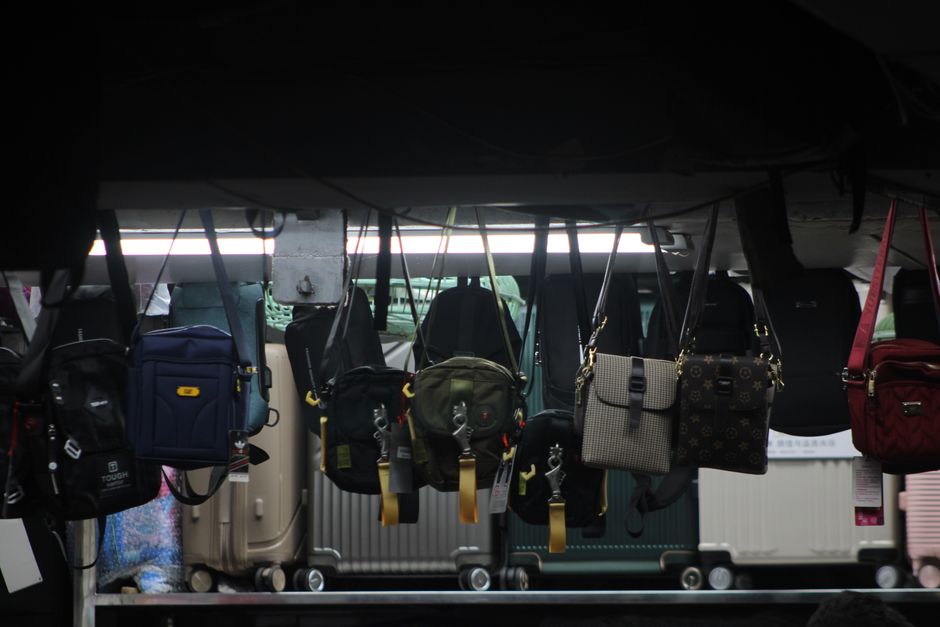
Not everything with a monogram is a good idea. Some personalised travel accessories create more problems than they solve. Here is my honest list after testing and observing what frequent travellers actually use.
Worth It
- Leather passport cover — A debossed passport cover from Leatherology ($70 + $15 personalisation) protects your passport and makes it instantly identifiable in a crowded bag. This is the single best personalised travel purchase.
- Luggage tag with full name and phone number — The Mark & Graham leather tag ($29 + $12 monogram) attaches securely and the painted monogram holds up reasonably well. Avoid putting your home address on it. Phone and email only.
- Travel document organiser — A personalised document holder keeps boarding passes, vaccine cards, and currency together. The Smythson version is $180 and overpriced. A $45 Etsy full-grain leather organiser with laser engraving does the same job.
- Fold-up duffel bag — Paravel’s fold-up duffel ($75 + $25 embroidery) is the best personalised extra bag for souvenirs. The embroidered name survives being stuffed under seats and thrown into overhead bins.
- Checked luggage (if you already own it) — Adding painted initials to a suitcase you already own helps identify it on the carousel. Just know the paint will scratch. The benefit is identification, not aesthetics.
Skip These
- Personalised toiletry bags — Toiletry bags get wet, stained, and crushed. A monogram on a canvas dopp kit from Mark & Graham looks terrible after one shampoo leak. Buy a plain one.
- Monogrammed packing cubes — These live inside your suitcase. Nobody sees them. The personalisation adds $15 per cube for zero functional benefit.
- Engraved metal luggage tags — They look industrial and cool, but metal tags bend, snap at the attachment point, and create an awful rattling noise. Leather is better.
- Personalised electronics cases — AirPods cases and laptop sleeves with names on them are magnets for theft. A thief sees a name and knows exactly which bag to grab. Keep electronics anonymous.
- Custom passport holders with flags or novelty designs — Some countries’ immigration officers frown on passport covers that obscure the document. A simple leather cover is fine. A thick novelty cover with embroidery across the front can cause delays at border control.
The Material Failure Modes Nobody Talks About
Here is the uncomfortable truth: most personalised travel accessories fail at the personalisation point, not the accessory itself. Heat-stamped initials on bonded leather look great for three months, then the top layer separates and the letters crack into an unreadable mess.
Bonded leather — also called reconstituted leather or blended leather — is leather dust mixed with polyurethane and pressed into sheets. It costs brands $2 per square foot. Full-grain leather costs $8-$12 per square foot. Guess which one most $25 personalised luggage tags use.
The failure sequence is predictable. First the edges scuff and reveal the grey polyurethane underneath. Then the debossed letters lose their crisp edges as the material compresses. Finally the surface peels away entirely, taking your monogram with it.
The fix is simple: buy from brands that name their leather grade. Leatherology specifies full-grain. Smythson uses bridle leather. Paravel uses recycled canvas with leather trim. If a brand says only “genuine leather” or “premium leather,” that is a red flag. Genuine leather is the second-lowest grade and fails exactly as described above.
For fabric items, the failure mode is different. Cheap embroidery uses long stitches that catch on zippers and snaps. Within a year, the name looks like a scratchy mess. Quality embroidery — like Paravel’s — uses dense, short stitches that lie flat against the fabric.
When to Skip Personalisation Entirely
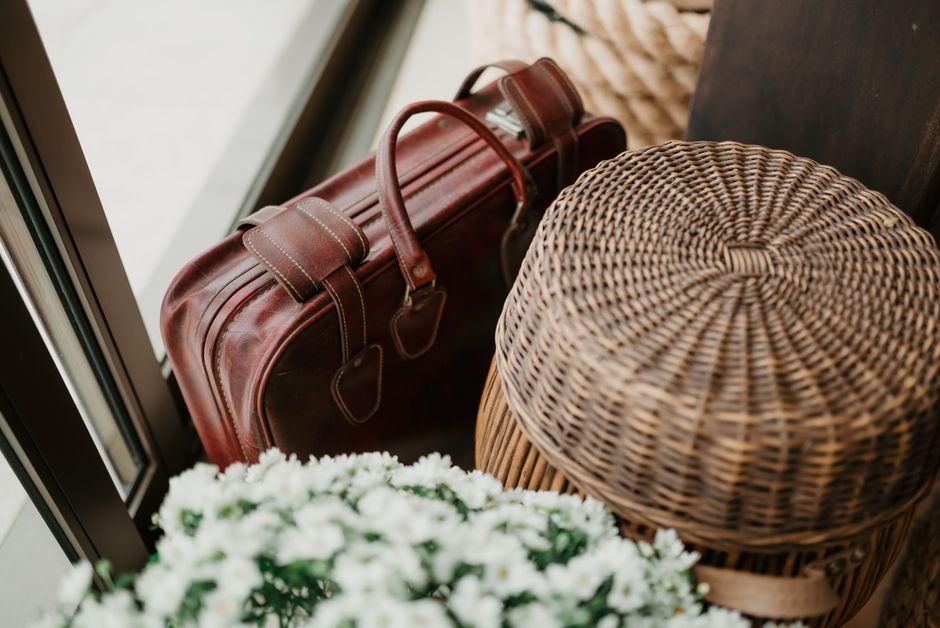
Personalisation is not always the right call. If you travel for work and carry client documents, a monogrammed bag signals exactly which bag holds the valuable paperwork. If you travel to high-theft areas, personalised luggage makes you easier to follow from the carousel. And if you plan to resell your luggage later, personalisation kills the resale value by 40-60%.
Buy plain luggage and add a personalised tag instead. The tag gives you identification without permanently marking an expensive suitcase. You can swap the tag between bags, replace it when it wears out, and remove it in situations where anonymity matters.
This is my strongest recommendation in this entire guide: personalise the accessories, not the luggage. A $70 personalised passport cover and a $40 personalised luggage tag give you 90% of the identification benefit at 10% of the risk.
Gift-Giving Rules for Personalised Travel Gear
Personalised travel accessories are popular gifts, but most people get them wrong. The recipient’s name is not always the right personalisation. A frequent traveller might prefer initials on a passport cover but a phone number on a luggage tag. A couple might want “Smith Family” on a duffel but individual names on passport holders.
Ask before you monogram. This sounds obvious, but a surprising number of people buy personalised gifts without confirming the spelling, format, or colour preference. “Katherine” might go by “Kate.” “Robert” might hate “Bob.” And a married couple might not share a surname.
For timing, most brands need 3-7 business days for personalisation before shipping. During holiday periods, that stretches to 2-3 weeks. Mark & Graham is consistently the slowest around December. Leatherology and Etsy sellers are usually fastest. If you need a personalised gift by a specific date, order three weeks early.
One more thing: personalised items are almost always non-returnable. If you buy a personalised passport cover and the recipient hates the colour, you cannot exchange it. This is why I recommend buying the non-personalised version first, confirming the recipient likes it, then ordering the personalised one. It costs more in shipping but saves the awkwardness of a non-returnable $100 mistake.
The Verdict: What I Would Actually Buy
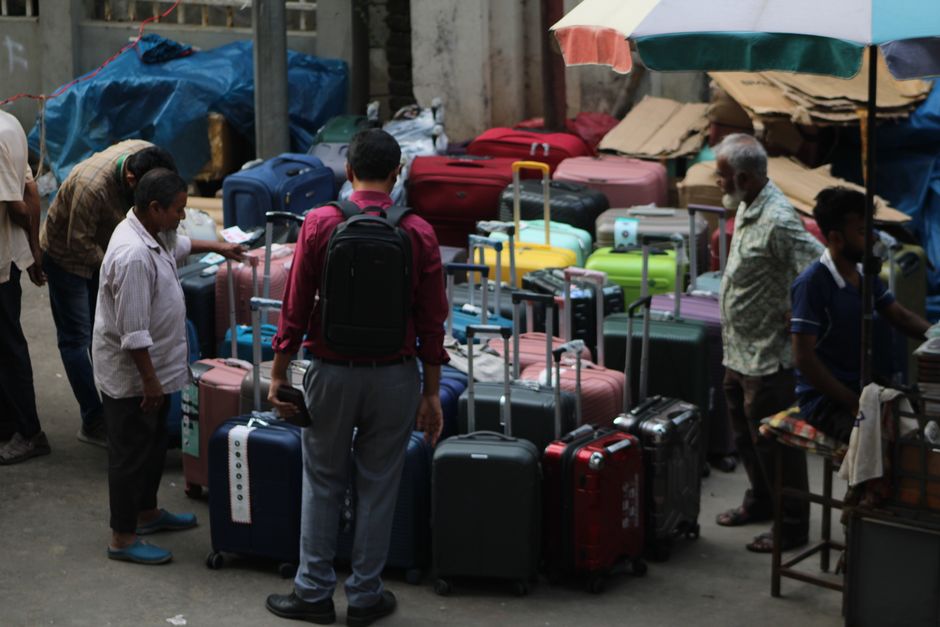
If I were starting from scratch with $200 to spend on personalised travel accessories, here is exactly what I would get:
- Leatherology passport cover in full-grain leather, debossed initials — $85 total. The best combination of durability, function, and personalisation quality.
- Mark & Graham leather luggage tag with phone number and email painted on the back, initials on the front — $41 total. Functional identification plus a subtle personal touch.
- Paravel fold-up duffel with embroidered initials — $100 total. The one personalised bag worth owning, because the embroidery survives and the bag itself is genuinely useful.
That leaves $26 under budget, which covers a decent Etsy leather cable organiser with laser-engraved initials. Skip everything else. Skip the monogrammed toiletry bag, the personalised packing cubes, the engraved AirPods case. They are Instagram props, not travel gear.
Personalisation works when it solves a real problem: identification, organisation, or gift-giving. It fails when it is decoration for decoration’s sake. Buy the three items above, use them for a year, and you will understand exactly what I mean.

Related Posts