
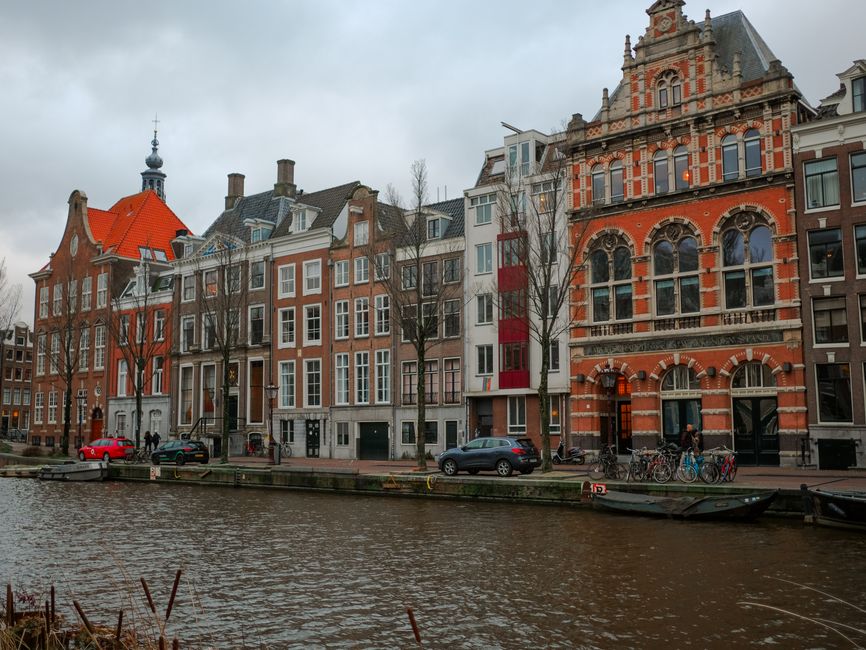
Amsterdam in March: Early Tulips and Canal Walks in Spring
Amsterdam in March feels like winter loosening its grip: bare branches, bright bulbs, cold canal air, and the first long afternoons. It is a smart month for travellers who want space to walk, but only if they plan around uncertain weather and early flower timing.
Is Amsterdam worth visiting in March?
Yes, if you want a quieter city and can accept that spring arrives in stages. March is not one fixed experience. A trip during the first week can feel wintry, while the last week may bring daffodils, cherry blossoms, outdoor terraces, and the first serious tulip displays. The best reason to visit is the balance: Amsterdam is lively enough for museums, cafés, and evening canal views, yet usually less pressured than the peak spring weeks.
March gives you walking weather, not guaranteed sunshine
Expect a mix of cool mornings, sudden showers, wind, and occasional bright stretches. Pack a waterproof jacket with a hood, shoes that can handle wet paving, and one warm layer that fits under your coat. An umbrella is less useful on exposed bridges because gusts can turn it inside out. The practical rule is simple: dress for a two-hour walk in damp wind, then enjoy any sunshine as a bonus.
Daylight improves quickly through the month, which changes the shape of a city break. Early March still rewards a slow breakfast before sightseeing. Late March gives you more time for a long walk after lunch, especially when the canals reflect a clear evening sky. Keep one indoor stop in every half-day plan so a rain shower does not ruin the route.
The main March mistake is expecting peak tulips everywhere
Amsterdam’s flower season starts before the famous fields reach their strongest colour. You may see bulbs in city planters while large areas outside the city are still green. That is not a failure; it is the normal sequence of spring. Choose March for the combination of canals, museums, neighbourhoods, and a chance of early flowers. Choose April if a full landscape of mature tulip rows matters more than quieter streets.
When do tulips bloom near Amsterdam?
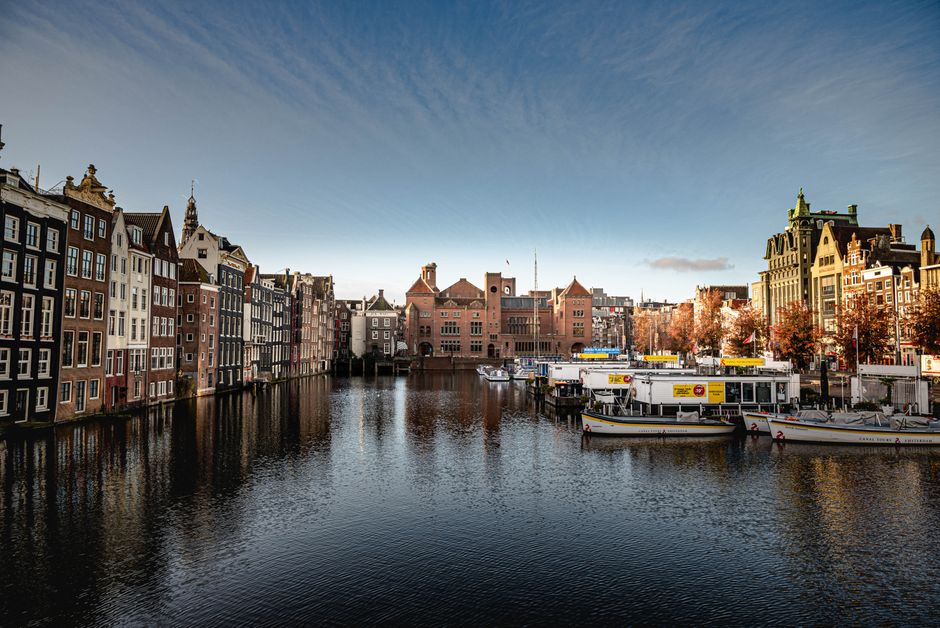
The safest answer is date-based rather than promise-based. Amsterdam itself can show colour before the countryside, while the fields near Lisse often build toward stronger displays later in the season.
Use this timing guide before choosing your dates
Keukenhof is a planned garden, not the same as open flower fields
Keukenhof covers 32 hectares and has about 15 kilometers of walking paths, so it offers a reliable spring display even when commercial fields nearby are between stages. That makes it the strongest choice for travellers who want flowers in March. The tradeoff is that it is a destination outside central Amsterdam, not a casual stop between canal photos. Check the official opening date and timed-entry rules before committing to the day.
For open fields, stay on marked paths and never walk into the planted rows. A photograph is not worth damaging bulbs that farmers grow for the next season. If the fields look mostly green, switch the focus to the garden, nearby villages, or a city flower walk rather than chasing one perfect viewpoint.
How should you plan a canal walk in early spring?
Plan the walk as a flexible loop, not as a race from one landmark to another. Amsterdam is most enjoyable on foot when the route has short exits: a café, museum, covered market, or tram stop every 20 to 30 minutes. That structure protects the day from cold rain and keeps you from spending the afternoon searching for somewhere warm.
Follow this six-step route strategy
- Start beside the water. Begin near Centraal Station, then walk west toward Brouwersgracht while the streets are still relatively calm. The narrow bridges and leaning canal houses give you immediate orientation without requiring a long transfer.
- Use the Jordaan for shelter. Turn through the Jordaan rather than staying on the widest canal road. Smaller streets create better pauses, and cafés are close enough to make a short rain delay painless.
- Choose one main canal. Follow Prinsengracht for a long stretch instead of zigzagging across every bridge. A continuous view is more relaxing and gives you a clearer sense of how the canal belt fits together.
- Walk when the light changes. Late afternoon is the best time for reflections on the water, but it is also when temperatures drop. Add a warm indoor stop before the final golden-hour section.
- Keep cyclists in mind. Stay off marked cycle lanes and look both ways before crossing. Do not stop in the middle of a bridge for a photograph; move to the side so local traffic can pass.
- End near transport. Finish around Museumplein, Leidseplein, or another area with several tram and metro options. A route that ends beside a warm café is better than one that leaves you exposed on the far side of the city.
Do not mistake a canal cruise for a walking replacement
A boat gives you a different angle on the houses and bridges, but it does not replace seeing the street level. The best March plan uses both only when the weather supports it: walk during a dry afternoon, then take a cruise if the wind is manageable. On a wet or cold day, choose the cruise as your main view and save the long walk for the next morning.
Allow extra time for photographs, bridge crossings, and wrong turns. A relaxed 5-kilometer route can fill half a day once you include stops. That pace is a strength, not wasted time; the city’s details appear between destinations.
What should you book and how should you move around Amsterdam?
Which transport ticket is best for a short March stay?
It covers unlimited travel on GVB buses, trams, and metros for its validity period, but it does not cover every train or regional bus. Buy it when your day includes several rides between neighbourhoods and your accommodation is outside easy walking range. If you expect only one or two short rides, contactless payment can be simpler.
The Amsterdam Travel Ticket is the better convenience pick for visitors landing at Schiphol who want airport and city travel in one product. It costs more than a central-city day ticket, but the airport connection can make the difference worthwhile for a compact stay. Do not buy it automatically if you are staying in the centre and plan to walk most of the time.
How do you reach flower attractions without losing the day?
The NS Amsterdam–Schiphol e-ticket is listed from €5.50, and the train takes about 19 minutes between Amsterdam and Schiphol. That is useful for airport transfers, but it does not take you directly to Keukenhof. Treat the flower garden as a separate half-day or full-day plan, and check the official transport combination for your chosen date rather than assuming a normal city ticket covers the whole route.
Book timed attractions early when your dates are fixed, especially for a late-March weekend. Leave space around the booking: a train delay, a shower, or a slow lunch can make a tightly packed schedule stressful. Keep one museum or neighbourhood walk available as the backup, and reserve the most weather-sensitive activity for the day with the clearest forecast.
Should you choose March or wait for peak tulips?
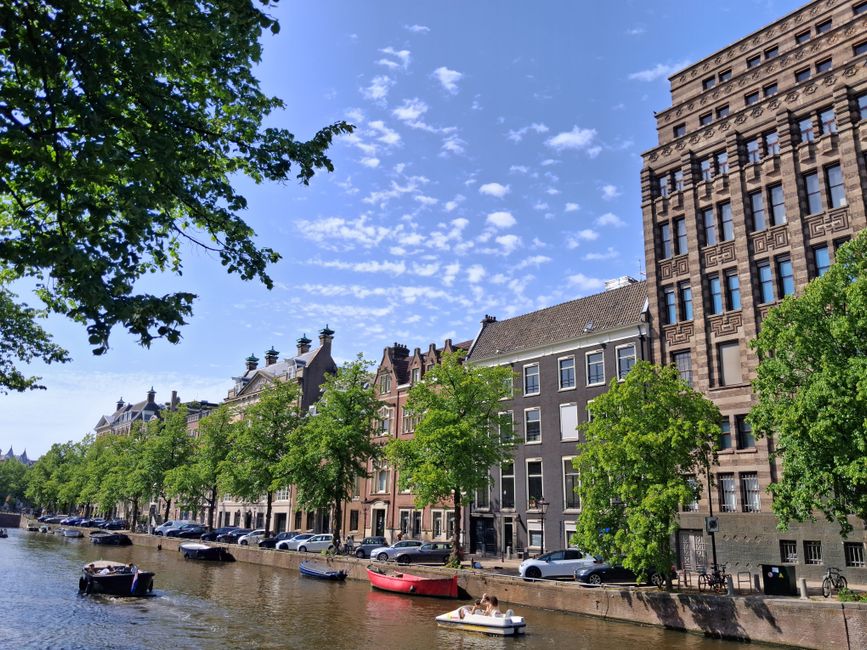
Choose March for the quieter city experience
Choose Amsterdam in March if your priority is a calm city break with a realistic chance of early spring flowers, because the canals, museums, cafés, and walkable neighbourhoods remain rewarding even when the fields are not at peak colour.
Choose later spring for a flower-first trip
Choose April if your main goal is a dependable tulip landscape, because later dates usually give the countryside more time to build its display, even though crowds, timed bookings, and transport pressure also rise. The right March itinerary starts with a waterproof coat and a flexible route, then lets the first clear afternoon lead you beside the canals; that is how the early-spring version of Amsterdam delivers the scene you hoped for without pretending every tulip has opened on schedule.

Related Posts