Seville in March: Orange Blossom and the Build-Up to Holy Week
Seville in March offers mild walking weather, bitter-orange trees coming into bloom, and a city slowly changing pace for Semana Santa. The strongest trip plan depends on one choice: visit before the processions for easier sightseeing, or arrive from late March for the full religious spectacle.
Is Seville in March a good time to visit?
Verdict: March is Seville’s best compromise between comfortable weather and festival atmosphere, but the final week is not a quiet city break. Early and mid-March suit travellers who want patios, museums, tapas, and orange-blossom walks without the pressure of Holy Week crowds. The last days of the month suit visitors who actively want processions, packed streets, late nights, and changing access around the historic centre.
Weather you can plan around
Expect mild afternoons that often reach roughly 20–22°C, with cooler mornings and evenings near 9–11°C. Those figures are planning ranges, not guarantees: a sunny afternoon can feel warm beside a stone wall, while a wet day can feel cold after sunset. Pack a light jacket, one warmer layer, comfortable shoes, and a compact rain shell. March is far easier for long walks than Seville’s summer, when midday heat can sharply reduce sightseeing time.
Crowds and value by date
| Travel window | What you get | Main tradeoff |
|---|---|---|
| March 1–15 | Quieter monuments, easier restaurant bookings, early blossom | Some trees may not yet be strongly scented |
| March 16–26 | More visible Lent preparations and stronger spring colour | Weekend demand starts to rise |
| March 27–31 | Procession build-up and Palm Sunday atmosphere | Higher room rates, blocked streets, slower transport |
For most first-time visitors, March 10–20 is the winning window. You get the seasonal character without paying the full event premium or planning every walk around a barricade.
Where can you find orange blossom in Seville?
Verdict: use the old centre as your scent map, but judge the trees by bloom rather than by the calendar. Seville’s orange trees are mainly bitter-orange trees planted along streets and plazas. Their blossom can appear from late winter into spring, yet flowering is uneven. One street may smell intensely floral while the next has only green leaves. Warm days, recent rain, wind, and pruning all affect the experience.
The most reliable walking areas
Start near the Cathedral and walk through the Patio de Banderas toward the Alcázar. Continue into Barrio Santa Cruz, where narrow lanes hold the fragrance close, then cross to the Jardines de Murillo. Calle Mateos Gago, Plaza de Doña Elvira, Plaza de Santa Cruz, and the lanes around the Hospital de los Venerables give you several chances to find trees in flower without committing to a long detour.
Walk slowly and revisit a promising street later in the day. The scent is often easier to notice during a calm morning than beside a crowded restaurant terrace. The best route takes about 90 minutes at an unhurried pace, excluding visits inside the Cathedral or Alcázar.
Why the blossom matters beyond photography
The trees explain part of Seville’s visual identity. Their dark leaves stay attractive through the year, while the small white flowers create a short seasonal shift before the bitter oranges develop. The fruit is not the sweet snack-orange sold in supermarkets; it is traditionally used for marmalade and other preparations. That difference matters because visitors often expect every orange tree to offer edible fruit.
Do not plan an entire trip around a single blossom forecast. Treat the scent as a bonus attached to neighbourhoods you already want to explore. For the strongest experience, pair the walk with a shaded courtyard, a short stop for coffee, and an early evening route beside the river. The city feels more coherent that way than when blossom becomes a checklist.
When does Holy Week begin in Seville in 2026?
What happens before Palm Sunday?
The week before Palm Sunday is the useful middle ground. Churches prepare pasos, brotherhoods hold services, and parts of the city begin to show barriers or temporary structures. You may see processional equipment and hear bands rehearsing, but you will not face the full scale of daily crowds. Friday, March 27, marks the start of several pre-Holy Week events, yet it should not be treated as a normal sightseeing day in every neighbourhood.
What changes after March 29?
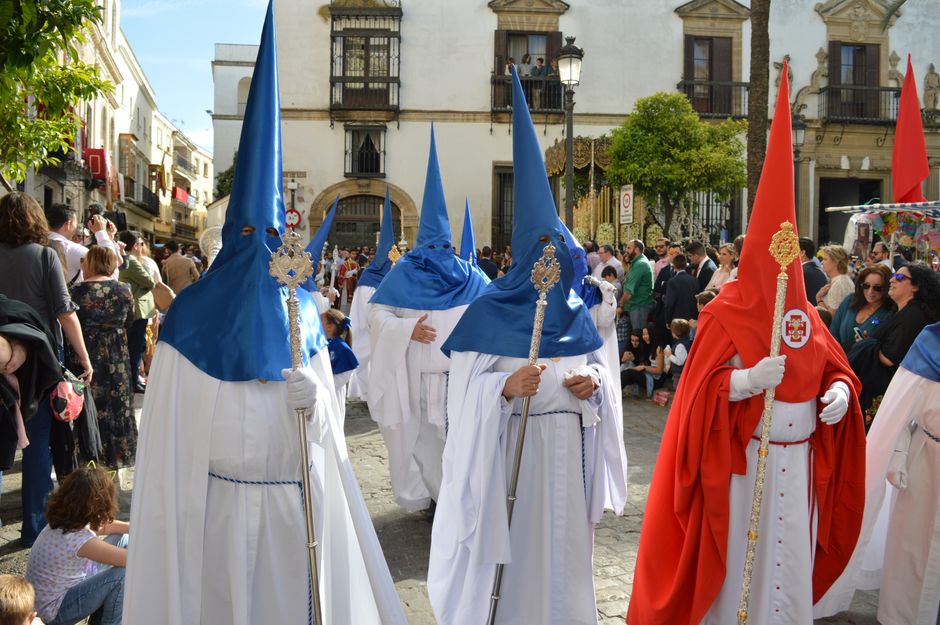
Processions move through central streets, often at times that stretch from afternoon into the early morning. A route that takes ten minutes on a map can become a slow shoulder-to-shoulder crossing. Hotels inside the old centre offer convenience but may face noise, restricted vehicle access, and blocked taxi approaches. If you want to attend, choose one or two processions, identify a fixed meeting point, and allow at least double your usual walking time.
Do nonreligious visitors have a place in Holy Week?
Yes, but respectful behavior is essential. These are religious acts, not staged street shows. Avoid stepping into a procession, keep voices low near penitents and churches, and ask before photographing close-up faces. Travellers who dislike crowds, late nights, or uncertain access should leave Seville before the final week rather than assume the city will feel like a standard spring destination.
How should you plan three days around blossom and processions?
My recommended plan is to place major indoor sights early, orange-blossom walks in the morning, and any Holy Week viewing after you understand the crowd pattern. This sequence protects the parts of the trip most vulnerable to queues, closures, and heat.
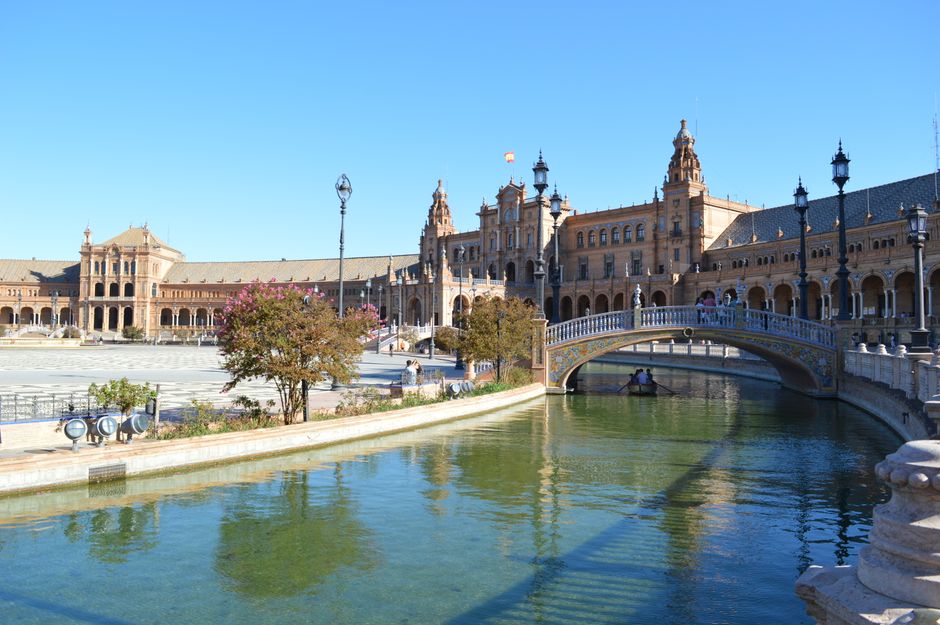
- Day one: start with the Cathedral and Giralda. Reserve an entry slot if required, arrive early, and inspect the surrounding lanes afterward. Walk through the Patio de Banderas, Santa Cruz, and the Jardines de Murillo while your legs are fresh. Finish near Plaza de España and Parque de María Luisa, where the broad paths make a calmer contrast to the old centre.
- Day two: use the river and Triana. Cross the Puente de Isabel II, explore the Triana market area, and follow the river before lunch. Leave time for ceramic shops and a slow return across the centre. If a procession is scheduled, decide where you will stand before the route fills. A bridge, wide plaza, or clearly marked side street is safer than trying to follow the moving crowd.
- Day three: choose one focused theme. Pick the Alcázar and a second blossom walk, or reserve the day for a processional experience. Do not stack the Alcázar, Cathedral, a long day trip, and an evening procession into one schedule. Travel time inside the centre is unpredictable during Holy Week, and missed reservations rarely produce a refund.
How to make the plan work on foot
Keep each day within two connected zones. Seville rewards short loops because the most interesting details are often between headline sights: tiled doorways, shaded courtyards, small churches, and orange-lined lanes. Carry water, a battery pack, and a paper backup of hotel details. Mobile reception can become unreliable in dense crowds, and a booked taxi may not reach a street blocked for a procession.
Which mistakes ruin a March visit?
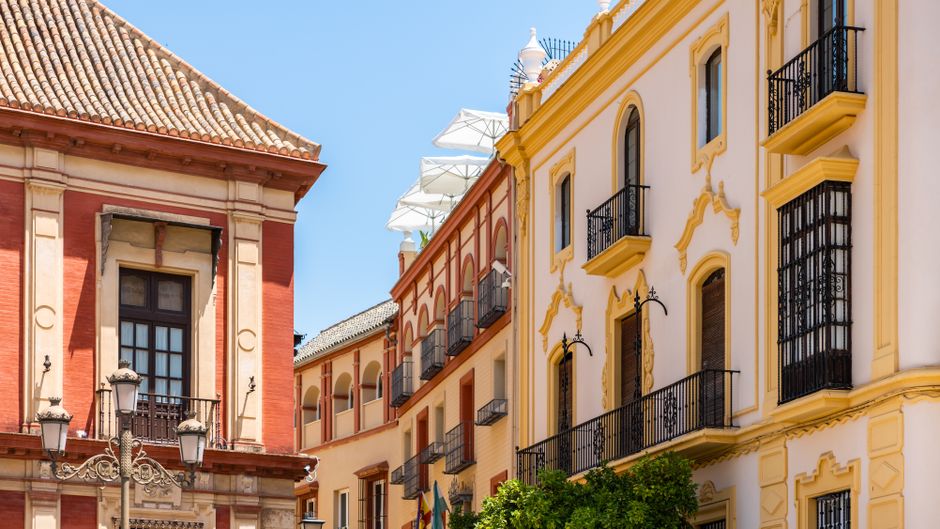
Verdict: the costliest mistake is treating late-March Seville like ordinary sightseeing season. Holy Week changes room supply, street access, restaurant demand, and the time needed for every short journey.
Mistakes to avoid
- Booking the last week without checking the calendar. A traveller seeking quiet museums may find late nights, barriers, and crowded plazas instead.
- Choosing a hotel only for centrality. A room beside a processional route can mean music, crowds, and limited taxi access. Read recent noise reviews and inspect the map for churches and major streets.
- Assuming blossom peaks on a fixed date. Flowering varies by street and weather. Leave room for two walking attempts rather than buying a special tour around one forecast.
- Using a car in the historic centre. Narrow streets, restricted access, and event closures make a car a liability. Park outside the centre or use rail and local transport.
- Photographing sacred moments carelessly. Do not use flash near religious images, block a doorway, or move into a procession for a better frame.
When should you not choose March?
Choose April after Holy Week if you want warmer evenings and a more relaxed spring feel, although the Feria period creates its own demand spike. Choose November through February if your priority is lower seasonal pricing and fewer visitors, accepting cooler or wetter days. Choose May or June only if you can handle rising heat. March is the wrong purchase when your main goal is guaranteed sunshine, empty streets, or a completely predictable timetable.

Related Posts